Fair Housing Protected Classes in New Jersey
It's incredibly frustrating when you're just trying to find a place to call home, and you encounter obstacles that feel unfair, personal, and downright illegal. Navigating the rental market can be tough enough without worrying if you're being judged or denied based on who you are, rather than your ability to pay rent or be a responsible tenant. This guide is here to shed light on your rights in the Garden State by explaining the fair housing protected classes in New Jersey, empowering you with the knowledge to recognize and combat housing discrimination.
Understanding Fair Housing in New Jersey
When we talk about fair housing, we're talking about the legal principle that everyone should have an equal opportunity to rent a dwelling, buy a home, obtain a mortgage, or get housing assistance without discrimination. It's about ensuring that landlords, real estate agents, lenders, and other housing providers treat everyone fairly. While federal laws set a baseline for these protections across the entire United States, many states, including New Jersey, have taken it a step further, offering even broader and more comprehensive safeguards.
Federal Versus State Protections
At its core, the federal Fair Housing Act, enacted in 1968, prohibits discrimination in housing based on seven protected classes: race, color, religion, sex (which includes sexual orientation and gender identity), national origin, familial status (meaning families with children under 18 or pregnant women), and disability. These are the bedrock protections that apply everywhere, from the bustling streets of New York City to the quiet suburbs of Omaha. No matter where you are in the U.S., you're shielded by these fundamental rights.
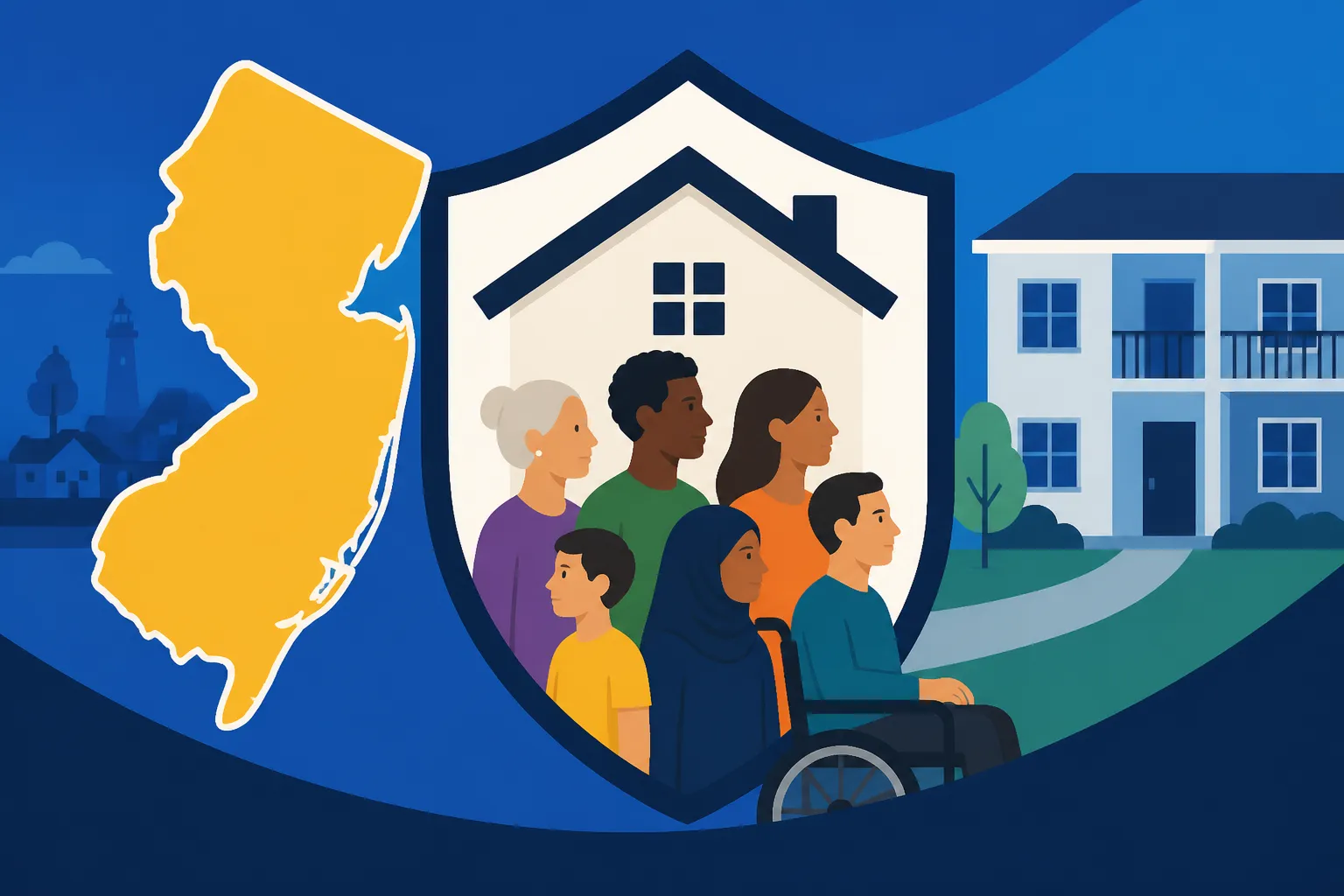
However, states and even some local municipalities often enact their own fair housing laws that expand upon these federal protections. This is where New Jersey truly shines, providing its residents with some of the strongest anti-discrimination laws in the country. It's like having a solid umbrella from the federal government, and then New Jersey comes along and adds an extra waterproof layer, ensuring you're even more thoroughly protected from the storms of discrimination. Understanding these layers of protection is key to asserting your rights.
The New Jersey Law Against Discrimination NJLAD
New Jersey is renowned for its progressive stance on civil rights, and this is perhaps best exemplified by the New Jersey Law Against Discrimination (NJLAD). Enacted way back in 1945, the NJLAD is one of the oldest and most comprehensive anti-discrimination laws in the nation. It prohibits discrimination in various areas, including employment, public accommodations, and, critically, housing. For tenants and prospective renters in New Jersey, the NJLAD is your best friend when it comes to ensuring you're treated fairly in the housing market.
What makes the NJLAD so powerful is its expansive list of protected characteristics. It goes far beyond the federal Fair Housing Act, offering protections based on a wide array of personal attributes. This means that if you're living in Jersey City, Newark, or anywhere else in the state, you have a much broader shield against potential discrimination than someone living in a state with less robust laws. It's a testament to New Jersey's commitment to equality and ensuring that everyone has an equal chance to secure safe and decent housing. This level of protection can be especially comforting if you've ever felt unfairly judged during the application process.
Core Protected Classes Under New Jersey Law
Understanding the specifics of who is protected under New Jersey's fair housing laws is crucial. It’s not just about the big, obvious categories; it’s about a nuanced and comprehensive list that aims to cover as many facets of identity as possible.
Federally Protected Categories
First, let's quickly reiterate the federal protections, as they apply in New Jersey just as they do everywhere else. These are the basic rights that no landlord or housing provider can infringe upon, no matter their personal feelings or biases.
- Race and Color: Discrimination based on a person's skin color or racial background is strictly forbidden. This could involve a landlord refusing to rent to someone solely because they are Black, Asian, or Hispanic, or even treating tenants differently based on their perceived race.
- Religion: You cannot be denied housing or treated unfavorably because of your religious beliefs, or lack thereof. This protects individuals practicing any faith, from Christianity and Islam to Judaism and Hinduism, and even atheism.
- Sex: This category has been expanded by recent interpretations to include gender identity and sexual orientation. So, refusing to rent to someone because they are a woman, a man, transgender, gay, lesbian, or bisexual is illegal. This also covers issues like sexual harassment in housing.
- National Origin: Discrimination based on where you or your ancestors are from, or based on characteristics associated with a particular ethnic group, is prohibited. For example, a landlord cannot refuse to rent to someone because they are from Mexico or speak with an accent.
- Familial Status: This protects families with children under the age of 18, pregnant women, and anyone in the process of securing legal custody of a child. Landlords cannot, for instance, refuse to rent to a single mother with two children or steer families to certain areas of a complex. Learn more about What a Landlord Can & Cannot Ask to ensure you're not facing illegal questions.
- Disability: Housing providers must make reasonable accommodations for people with disabilities and allow reasonable modifications to the property if necessary for the person to fully use the dwelling. This includes both physical and mental disabilities. For example, allowing a service animal or installing a ramp would fall under this protection.
These federal protections are important, but New Jersey's law goes much, much further, creating a truly robust safety net for its residents.
New Jersey's Expansive List of Protected Classes
The NJLAD significantly broadens the scope of protection, adding several crucial categories that are not covered by federal law. If you're encountering issues in the rental process, it's vital to know these specific protections:
- Ancestry: Beyond national origin, ancestry specifically refers to your lineage or heritage, protecting you from discrimination based on your family's historical background.
- Marital Status: Whether you are single, married, divorced, widowed, or separated, your marital status cannot be a factor in housing decisions. A landlord cannot refuse to rent to you because you're unmarried or because they prefer married couples.
- Sexual Orientation: While recently added to federal 'sex' protections, New Jersey explicitly listed sexual orientation as a protected class much earlier, offering direct safeguards against discrimination based on being gay, lesbian, bisexual, or heterosexual.
- Gender Identity or Expression: Similar to sexual orientation, New Jersey has long protected individuals based on their gender identity (how they perceive themselves) and gender expression (how they outwardly present their gender), separate from their biological sex. This covers transgender and non-binary individuals, for example.
- Atypical Hereditary Cellular or Blood Trait: This very specific protection covers conditions like sickle cell trait or Tay-Sachs trait, ensuring individuals with these genetic markers cannot be discriminated against in housing.
- Domestic Partnership Status and Civil Union Status: Reflecting New Jersey's legal recognition of various partnership types, these statuses are protected alongside traditional marital status.
- Age: Discrimination based on age is prohibited in housing. While some senior housing communities are exempt under specific conditions, generally, a landlord cannot refuse to rent to you simply because you are "too young" or "too old."
- Liability for Rental Payments: This protects individuals who are not the primary leaseholders but are legally responsible for rent, such as co-signers or guarantors. This is often an issue for students or young adults.
- Being a Victim of Domestic Violence: New Jersey provides explicit protections for victims of domestic violence, ensuring they cannot be denied housing or evicted solely because of their victim status. This is a critical protection for safety and stability.
- Military Service: Past, present, or future service in the armed forces is a protected characteristic. Those who have served our country should not face housing barriers.
- Source of Lawful Income: This is a huge one in New Jersey. Landlords generally cannot discriminate against you based on where your income comes from, as long as it's lawful. This includes disability benefits, Social Security, child support, and, importantly, Section 8 housing vouchers or other rental assistance programs. Many states don't have this, making New Jersey a leader in protecting vulnerable tenants. If you're wondering Can a Landlord Refuse Section 8 in New Jersey? the answer is generally no, thanks to this protection.
This extensive list demonstrates New Jersey's proactive approach to creating a fair and equitable housing market for everyone. It means landlords have a much higher bar to clear when justifying denials, and tenants have robust avenues for recourse.
What Constitutes Housing Discrimination?
It’s one thing to know the protected classes, but it’s another to recognize when discrimination is actually happening. Sometimes, it’s overt and blatant, but often, it's subtle, cloaked in excuses, or happens indirectly. Recognizing these signs is the first step in protecting your rights.
Examples of Discriminatory Practices
Housing discrimination isn't just a landlord outright saying, "I won't rent to you because you're [protected class]." It can take many forms, some more insidious than others:
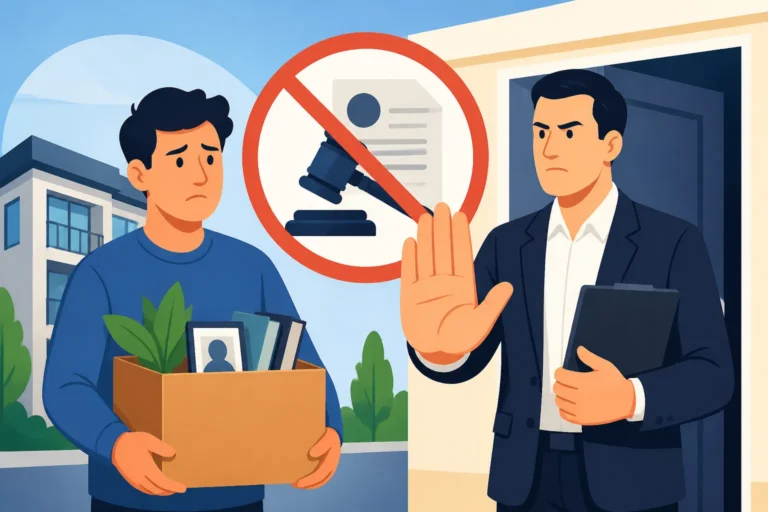
- Refusal to Rent or Sell: This is the most direct form. A landlord or seller simply states they won't do business with you, or makes an excuse that doesn't hold up, when they were willing to work with others not in your protected class. For instance, a landlord might suddenly claim an apartment is no longer available minutes after meeting a prospective tenant who is visibly pregnant, despite previous availability.
- Steering: This occurs when a housing provider guides you towards or away from certain neighborhoods or sections of a complex based on a protected characteristic. Imagine being shown only apartments on the "family floor" because you have children, even though you expressed interest in a different unit.
- Lying About Availability: A common tactic is for a landlord to tell someone from a protected class that a unit is unavailable, but then tell someone from a non-protected class that it is. This is especially hard to prove without objective evidence, which is why How to Document Your Apartment at Move-In is so important for all tenants, not just at move-in.
- Setting Different Terms or Conditions: Offering different rental prices, lease terms, security deposit requirements, or privileges (like access to amenities) based on a protected characteristic is illegal. For example, charging a higher security deposit to a tenant because they have a disability, unless there's a specific, documented, and legitimate non-discriminatory reason.
- Harassment: This involves creating a hostile environment in the housing context, such as making offensive jokes, displaying discriminatory symbols, or making unwanted advances. This can come from a landlord, property manager, or even other tenants if the landlord is aware and doesn't act.
- Retaliation: If you assert your fair housing rights, make a complaint, or participate in an investigation, and then face negative consequences (like an eviction notice or non-renewal), that could be illegal retaliation. Landlords generally can't retaliate for repair requests either, a topic covered in Landlord Retaliation After a Repair Request.
Illegal Actions Beyond Direct Refusal
Discrimination often doesn't show up with a neon sign. It can be subtle, embedded in policies, or even come from a place of ignorance rather than malice. This doesn't make it legal, though.
- Discriminatory Advertising: Ads that indicate a preference, limitation, or discrimination based on a protected class are illegal. "No children" or "mature adults only" (unless it's a qualified senior housing community) are examples of prohibited language. Similarly, an ad that specifies "Christian roommate wanted" could be discriminatory unless it falls under very narrow exceptions, such as shared living spaces.
- Failure to Make Reasonable Accommodations or Modifications: For individuals with disabilities, landlords must make reasonable adjustments to rules, policies, practices, or services (accommodations) or allow reasonable changes to the physical structure (modifications), often at the tenant's expense, if necessary for the tenant to use the dwelling. Refusing a legitimate request for an emotional support animal is a common example of this, as explored in Can a Landlord Deny an ESA?.
- Unequal Application of Rules: Applying rules inconsistently across tenants from different protected classes. For example, strictly enforcing a "no pets" policy for a family with children, but overlooking a similar infraction for a single, childless tenant.
- Discriminatory Screening Criteria: While landlords can use screening criteria like credit score or rental history, these must be applied uniformly. If a landlord uses stricter income requirements for Section 8 tenants than for others, even if they accept Section 8, that could be a form of discrimination based on source of income. Tools like TurboTenant can help landlords ensure they are applying screening criteria consistently and legally, as they often provide resources and templates that adhere to fair housing guidelines.
- "Implicit Bias" Discrimination: Sometimes, discrimination isn't intentional. A landlord might unconsciously hold biases that influence their decisions. For example, a landlord might perceive a person with a traditionally "ethnic" name as less desirable than someone with a "common" name, even without realizing it. This form of discrimination, known as disparate impact, is also illegal under fair housing laws.
It's a lot to keep track of, but knowing these nuances empowers you to identify unfair treatment and take action.
Steps to Take if You Believe You've Been Discriminated Against
Feeling like you've been discriminated against can be an incredibly disheartening and frustrating experience. It's easy to feel powerless, but you absolutely have recourse. Taking the right steps can make a huge difference in achieving a just outcome.
Documenting Your Experience
The strongest weapon you have in a discrimination case is documentation. Memories fade, but written records, emails, and photographs provide concrete evidence. Think of yourself as building a detailed case, even if you just suspect something is wrong.
- Keep Detailed Records: Write down everything you can remember immediately after an incident. This includes dates, times, names of individuals involved (landlord, agent, etc.), what was said, and what happened. For instance, if a landlord told you an apartment was rented but then kept the ad up, make a note of the date you saw the ad and the date they told you it was rented.
- Save All Communications: Keep copies of all emails, text messages, voicemails, letters, and rental applications. If you speak on the phone, follow up with an email summarizing the conversation, for example: "Just confirming our call from today at 2 PM, where you stated the apartment at 123 Main Street is no longer available." This creates a paper trail.
- Gather Supporting Evidence: Did you see the unit advertised online after being told it was unavailable? Take screenshots of the listing. Did a friend call about the same unit and get a different answer? Get their statement. If a landlord denied your service animal, save copies of your ESA letter requirements and any communication from them regarding the denial.
- Witness Statements: If anyone else witnessed the discriminatory act, ask if they would be willing to provide a written statement or testify.
- Property Condition: For issues related to disability accommodations, document the current condition of the property and the requested modifications.
Having a robust collection of evidence is critical because it moves the claim from "he said, she said" to provable facts. TurboTenant is a great resource for landlords to maintain organized communication and screening records, which can also be helpful for tenants seeking documentation of their application process.
Filing a Complaint
Once you've gathered your evidence, it's time to take formal action. You have a few avenues for filing a discrimination complaint in New Jersey.
- New Jersey Division on Civil Rights (DCR): This is your primary state agency. The DCR investigates complaints of discrimination under the NJLAD. They are thorough and experienced in handling housing discrimination cases. You can typically find their contact information and complaint forms on the New Jersey Attorney General's website. They often have a helpline you can call to discuss your situation and get advice on how to proceed. Filing with the DCR is often a strong first step because the NJLAD offers such broad protections.
- U.S. Department of Housing and Urban Development (HUD): If your complaint falls under one of the federally protected classes, you can file a complaint with HUD. HUD investigates fair housing complaints and can pursue legal action. They can also refer your case to the DCR if they determine it's better handled at the state level, or work in conjunction.
- Private Lawsuit: You also have the option to file a private lawsuit in court. This route usually involves hiring an attorney specializing in fair housing law. An attorney can advise you on the strength of your case and represent you through the legal process, which could lead to significant damages, including actual damages, emotional distress, and punitive damages, especially in cases where Double vs Treble Damages for Wrongful Withholding might apply for other landlord-tenant disputes.
It's a good idea to consider contacting both the DCR and HUD to see which agency might be best suited for your specific complaint, or if both might be applicable. Many of these agencies offer free consultations to help you understand your rights and the complaint process. Remember, you don't have to go through this alone; there are resources available to help you fight for fair housing.
Federal and New Jersey Protected Classes Comparison
To give you a clear overview, here’s a table summarizing the protected classes under both federal law and the New Jersey Law Against Discrimination (NJLAD).
| Protected Class | Federal Fair Housing Act | New Jersey Law Against Discrimination (NJLAD) |
|---|---|---|
| Race | Yes | Yes |
| Color | Yes | Yes |
| Religion | Yes | Yes |
| Sex | Yes (incl. Gender Identity & Sexual Orientation) | Yes (explicitly includes Sexual Orientation, Gender Identity or Expression) |
| National Origin | Yes | Yes (includes Ancestry) |
| Familial Status | Yes | Yes |
| Disability | Yes | Yes |
| Ancestry | No | Yes |
| Marital Status | No | Yes |
| Civil Union Status | No | Yes |
| Domestic Partnership Status | No | Yes |
| Atypical Hereditary Cellular or Blood Trait | No | Yes |
| Age | No | Yes |
| Liability for Rental Payments | No | Yes |
| Being a Victim of Domestic Violence | No | Yes |
| Military Service | No | Yes |
| Source of Lawful Income | No | Yes |
As you can see, New Jersey offers substantially broader protections, giving tenants and prospective renters a much stronger legal standing against discrimination.
Disclaimer
Please remember that this article provides general information and is not a substitute for legal advice. Landlord-tenant laws are complex and can change, and specific situations may require consulting with a qualified attorney in New Jersey. Always seek professional legal counsel for advice tailored to your individual circumstances.