Fair Housing Protected Classes in New York
Navigating the world of renting an apartment or home can feel like a minefield, especially when you're worried about being judged for factors completely unrelated to your ability to be a good tenant. It’s a frustrating reality that many people face, where a landlord or property manager might make decisions based on assumptions or biases rather than on objective criteria. This comprehensive guide is here to shed light on your fundamental protections under federal and New York state law, specifically detailing the fair housing protected classes that ensure everyone has an equal opportunity to find a place to live, free from unlawful discrimination.
Understanding Federal Fair Housing Protections
Let's start with the basics, because before we dive into the specific protections afforded by New York State, it's crucial to understand the bedrock of fair housing law in the United States. The federal Fair Housing Act, enacted in 1968, was a landmark piece of legislation designed to eliminate discrimination in housing transactions. This act prohibits discrimination in the sale, rental, and financing of housing based on certain characteristics.
The original intent of the Fair Housing Act was to address rampant racial discrimination in housing, but it has since expanded to cover more groups. For tenants, it's vital to know these federal protections apply everywhere in the country, setting a minimum standard that states and localities can then build upon. These protections mean that a landlord cannot refuse to rent to you, charge you more for rent, or treat you differently in any aspect of the rental process, from advertising to eviction, based on these specific categories.
The Seven Federally Protected Classes
Under the federal Fair Housing Act, there are seven classes of people who are specifically protected from housing discrimination. These are the groups that landlords, real estate agents, and housing providers absolutely cannot discriminate against. It’s important to memorize these, as they are your first line of defense against unfair treatment in the housing market.
These protections cover a wide range of actions, including the terms and conditions of a rental, denying housing, misrepresenting availability, and even discriminatory advertising. For instance, an ad that says "no children" would be a clear violation of familial status protection. Similarly, a landlord cannot refuse to rent to someone solely because of their skin color or ethnic background, even if they've received a great recommendation from their previous landlord. Understanding these fundamental rights is the first step in ensuring a fair housing experience for everyone.
- Race: This prevents discrimination based on a person's racial identity or perceived race.
- Color: Similar to race, this protects individuals from discrimination based on their skin color.
- Religion: Discrimination based on a person's religious beliefs or practices is illegal.
- National Origin: This protects individuals based on their country of birth, ancestry, ethnicity, or language. For example, a landlord can't refuse to rent to someone because they're from Mexico or speak with a certain accent.
- Sex: This initially covered discrimination based on biological sex, but has expanded to include sexual harassment in housing.
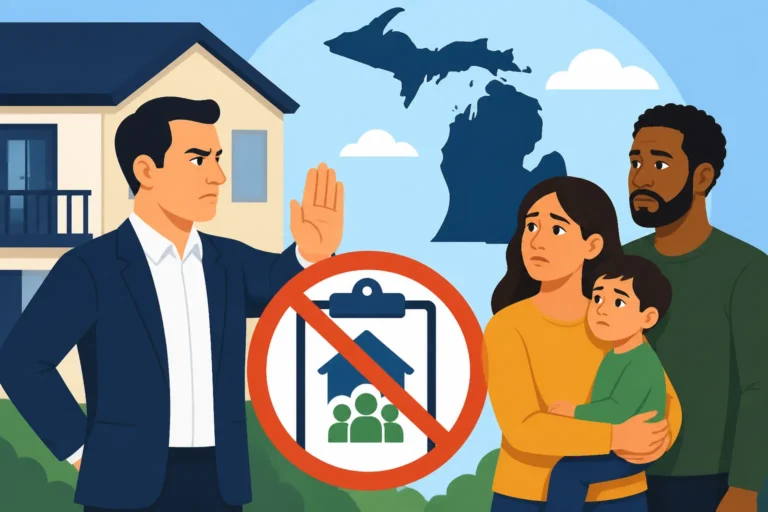
- Familial Status: This protects families with children under 18, pregnant women, and people in the process of securing legal custody of a child. This means "adults-only" policies are generally illegal, with some specific exceptions for senior housing.
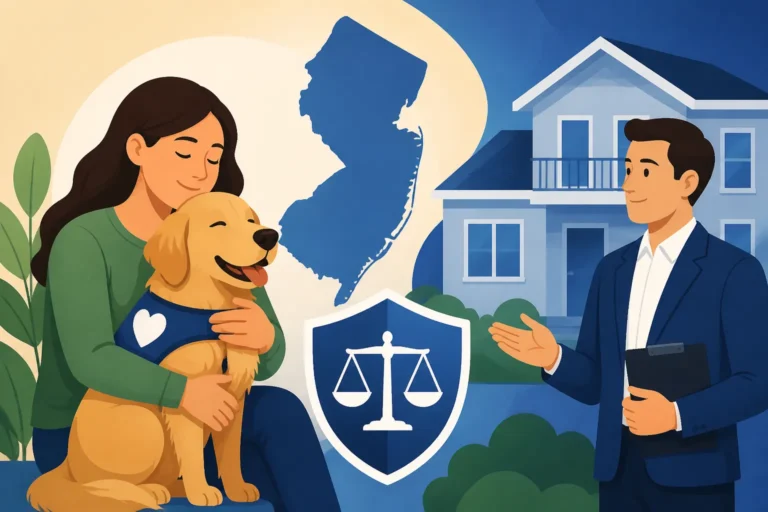
- Disability (or Handicap): This protects individuals with physical or mental impairments that substantially limit one or more major life activities. It also requires landlords to make reasonable accommodations and modifications to allow disabled tenants equal enjoyment of the dwelling. If you need a ramp installed or an Emotional Support Animal, your landlord must consider these requests as part of their obligation under this protection. You can learn more about Emotional Support Animals & Service Animals (FHA Rules) for specific guidelines.
New York State's Expanded Fair Housing Protections
While federal law sets a crucial baseline, New York State has a long and proud history of expanding civil rights protections beyond the federal minimum. This means that in New York, you have even more safeguards against discrimination when you're looking for a place to live. It's not just the federal categories that matter here; the state has added several significant protected classes to ensure a more equitable housing market for everyone residing within its borders.
This expansion is really important because it acknowledges that discrimination can manifest in many different ways that aren't covered by federal law. For example, while the federal Fair Housing Act now implicitly covers sexual orientation and gender identity through interpretations of "sex" discrimination, New York explicitly lists these as protected classes, offering clearer and more direct protection. This proactive stance helps to address a wider array of prejudices that individuals might face when trying to secure housing, whether they are applying to a small private landlord or a large apartment complex.
Additional Protected Classes in New York
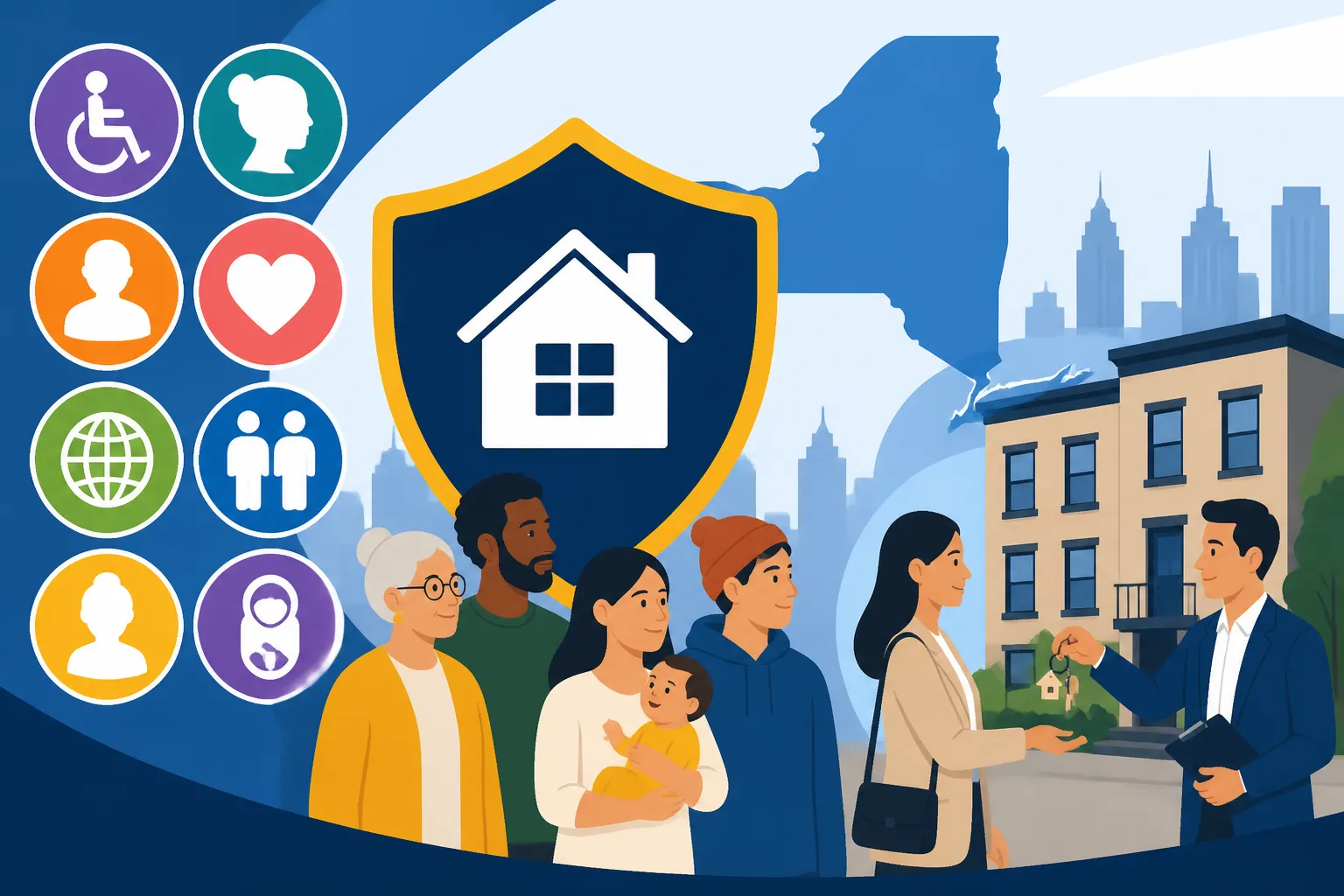
New York's Human Rights Law goes above and beyond, offering protection against discrimination in housing based on an extensive list of categories. Understanding these additional layers of protection is absolutely critical for anyone renting or looking to rent in the state. These classes include:
- Age: In New York, it is illegal to discriminate against someone based on their age. This means a landlord cannot refuse to rent to you simply because you are too young or too old, outside of specific, legal senior housing communities.
- Marital Status: Landlords cannot discriminate against individuals based on whether they are single, married, divorced, separated, or widowed. This prevents landlords from favoring married couples over single individuals or vice versa.
- Sexual Orientation: New York explicitly protects individuals from discrimination based on their actual or perceived sexual orientation, whether heterosexual, homosexual, bisexual, or asexual.
- Gender Identity or Expression: This protection ensures that individuals are protected regardless of their gender identity (how they identify) or gender expression (how they outwardly present their gender).
- Military Status: Those who are serving or have served in the military are protected from housing discrimination. This ensures that veterans and active-duty service members are not disadvantaged in the housing market.
- Lawful Source of Income: This is a huge one in New York. Landlords cannot refuse to rent to you simply because you use a lawful source of income like Social Security, disability benefits, or housing vouchers (like Section 8). This means a landlord in New York cannot automatically deny an applicant because they receive assistance, which is a common problem in many other states. If you're using a housing voucher, check out Source-of-Income Discrimination & Section 8 by State for more details.
- Victim of Domestic Violence Status: New York law protects individuals who are victims of domestic violence from housing discrimination. This can be critical for individuals seeking safety and new housing arrangements.
- Creed: While similar to religion, "creed" can sometimes be interpreted more broadly to include moral or ethical beliefs that are sincerely held.
- Ancestry: This reinforces national origin protections, ensuring discrimination based on lineage is prohibited.
- Citizenship Status (for non-citizens with lawful status): In some jurisdictions within New York, such as New York City, citizenship status is a protected class, meaning landlords cannot discriminate against individuals based on their immigration or citizenship status as long as they have legal authorization to reside in the U.S. This is a crucial distinction that helps protect many immigrant communities.
You'll notice that New York's list is much more extensive than the federal list. This layering of protections means that residents of New York have some of the strongest anti-discrimination housing laws in the nation. Landlords need to be acutely aware of these expanded categories to avoid inadvertently violating the law. Tools like TurboTenant can help landlords understand and implement non-discriminatory screening practices.
New York City's Even Broader Protections
If you're in New York City, the protections go even further! The New York City Human Rights Law is one of the most comprehensive in the country. Beyond the state and federal protections, NYC adds:
- Lawful Occupation: This prevents discrimination against people based on their job, which can be particularly relevant for sex workers, ex-offenders, or others who might face stigma.
- Partnership Status: Protects individuals in a domestic partnership.
- Caregiver Status: Protects those who care for a child or person with a disability.
- Status as a Victim of Stalking and Sex Offenses: Similar to domestic violence victim status, this provides critical protection for those fleeing dangerous situations.
- Any Lawful Source of Income: This is an even stronger protection than the state's, explicitly including income from any legal source, not just specific government benefits.
- Height and Weight: Believe it or not, in NYC, you can't be discriminated against for your physical stature.
This mosaic of laws means that landlords and property managers across New York need to be incredibly diligent. What might be acceptable in one state could lead to serious legal trouble here. It underscores the importance of every housing provider being aware of Fair Housing Protected Classes Explained comprehensively and specific local regulations to avoid issues.
Practical Examples of Housing Discrimination
Sometimes, knowing the protected classes isn't enough; you need to understand what discrimination actually looks like in practice. It's not always an overt, hateful statement. Discrimination can be subtle, woven into policies or even the way someone talks about their properties. It's truly disheartening to realize that even in today's world, people still face these kinds of unfair barriers. Knowing what to look for can empower you to protect your rights and challenge unfair practices.
Common Discriminatory Actions
Here are some real-world scenarios that would constitute housing discrimination under federal and New York State law:
- Refusing to Rent or Negotiate: A landlord tells a prospective tenant that an apartment is no longer available immediately after meeting them, but then tells a different applicant (who doesn't share a protected characteristic) that it is. For example, a landlord denies a Black applicant's request for an apartment but then readily offers it to a white applicant just an hour later.
- Steering: A real estate agent only shows properties in certain neighborhoods to families with children, or only to individuals of a particular ethnic background, based on assumptions about where they "belong."
- Discriminatory Terms and Conditions: Charging a higher security deposit or higher rent to a tenant because they have a Section 8 voucher, or setting stricter rules for families with children compared to those without. For instance, a building manager might tell a single mother that her children can't play in the common area, but allows other tenants to have guests of any age.
- False Advertising: Running an advertisement that explicitly states "No Section 8" or "No children" or "Looking for quiet Christian tenants only." These are direct violations of lawful source of income and familial status/religion protections. Landlords using platforms like TurboTenant should be aware that such language can trigger fair housing violations.
- Harassment: A landlord or property manager makes unwelcome sexual advances or derogatory comments based on a tenant's religion, sexual orientation, or any other protected characteristic.
- Failure to Provide Reasonable Accommodations/Modifications: Refusing to allow a tenant with a disability to have an Emotional Support Animal, even with proper documentation, or refusing to allow a wheelchair ramp to be installed at the tenant's expense in a common area. This touches on complex areas, so understanding Can a Landlord Deny an ESA? is useful.
- Retaliation: Evicting a tenant or refusing to renew their lease because they filed a fair housing complaint against the landlord. This is illegal and carries severe penalties.
It’s not always easy to tell if you’re being discriminated against, especially if the landlord or agent is subtle. Sometimes, the only clue is a gut feeling or an unexplained change in their demeanor. That’s why documenting everything is so important. When you’re denied an apartment, or if something feels off, always ask for the reason in writing, and keep records of all communications.
How to Report Housing Discrimination in New York
If you suspect you've been subjected to housing discrimination in New York, it can feel overwhelming and frustrating. You might be wondering, "What do I even do now?" The good news is that New York has strong enforcement mechanisms in place, and there are clear steps you can take to address the injustice. Remember, you don't have to navigate this alone.
Gathering Evidence
Before you file a complaint, try to gather as much evidence as possible. This is where your detailed record-keeping comes in handy.
- Document Everything: Keep copies of all rental applications, correspondence (emails, texts, letters), advertisements, and notes from phone calls or in-person conversations. Record dates, times, and names of individuals involved.
- Witnesses: If anyone else observed the discriminatory behavior, get their contact information and a brief statement if possible.
- Compare Experiences: If you suspect you were denied unfairly, ask a friend or family member (who doesn't share your protected characteristic) to inquire about the same property. If they are offered different terms or told the property is available, this can be strong evidence of discrimination.
- Specifics Matter: Note the exact words used or actions taken that you believe were discriminatory. For example, if a landlord said, "I don't rent to people with children," write that down immediately.
This evidence will be crucial in building a strong case. It helps to paint a clear picture for the agencies investigating your claim and avoids a "he said, she said" situation.
Where to File a Complaint
In New York, you have several avenues for filing a housing discrimination complaint, depending on where the discrimination occurred and the nature of the complaint.
- New York State Division of Human Rights (NYSDHR): This is the primary state agency responsible for enforcing the New York Human Rights Law. You can file a complaint directly with the NYSDHR, and they will investigate the claim. They have offices throughout the state, making it accessible whether you're in Buffalo, Albany, or on Long Island. Their website provides detailed instructions on how to file a complaint, which can often be done online.
- U.S. Department of Housing and Urban Development (HUD): If your complaint falls under one of the federally protected classes, you can also file a complaint with HUD. HUD often works in conjunction with state and local fair housing agencies. Filing with HUD can sometimes lead to different outcomes or resources, so it's worth considering if your case has federal implications.
- Local Human Rights Commissions: Many cities and counties in New York have their own local human rights commissions, such as the New York City Commission on Human Rights. These local commissions often have broader protections than state law and can provide assistance tailored to your specific municipality. If you're in a major city, check if they have a local agency.
- Fair Housing Organizations: Non-profit fair housing organizations exist across the state (e.g., Fair Housing Justice Center in NYC, Legal Aid Society of Rochester, or Housing Opportunities Made Equal of Buffalo). These organizations can provide free assistance, counseling, and even legal representation to victims of housing discrimination. They can help you understand What Is Considered Housing Discrimination? and walk you through the entire process, including investigation and mediation.
The process typically involves an investigation by the agency, which may include interviewing witnesses, reviewing documents, and attempting to mediate a resolution between you and the housing provider. If a resolution can't be reached, the agency might issue a finding of discrimination and proceed with a hearing. Penalties for landlords who violate fair housing laws can be severe, including fines, damages to the victim, and mandatory fair housing training. Knowing How Do I File a Fair Housing Complaint? is your key to seeking justice.
Table of Protected Classes: Federal vs. New York State
To help clarify the differences, here’s a handy table comparing the federal protected classes with the additional protections offered by New York State.
| Protected Class | Federal (Fair Housing Act) | New York State (Human Rights Law) |
|---|---|---|
| Race | Yes | Yes |
| Color | Yes | Yes |
| Religion | Yes | Yes (Creed) |
| National Origin | Yes | Yes (and Ancestry) |
| Sex | Yes | Yes (and Sexual Orientation, Gender Identity/Expression) |
| Familial Status | Yes | Yes |
| Disability | Yes | Yes |
| Age | No | Yes |
| Marital Status | No | Yes |
| Military Status | No | Yes |
| Lawful Source of Income | No | Yes (and NYC has broader protection) |
| Domestic Violence Victim Status | No | Yes |
| Citizenship Status | No | Yes (in some local jurisdictions like NYC) |
| Lawful Occupation | No | Yes (in NYC) |
| Height/Weight | No | Yes (in NYC) |
| Partnership Status | No | Yes (in NYC) |
| Caregiver Status | No | Yes (in NYC) |
| Victim of Stalking/Sex Offenses | No | Yes (in NYC) |
This table really highlights how comprehensive New York's protections are, especially when you factor in the additional layers provided by cities like New York City. It's a testament to the state's commitment to ensuring fair housing for all residents. This is critical for both tenants and landlords alike; tenants need to know their rights, and landlords must be informed to How to Avoid Fair Housing Violations (Landlord).
The Importance of Fair Housing for All
At the end of the day, fair housing isn't just about avoiding discrimination; it's about building strong, diverse, and inclusive communities where everyone has the opportunity to thrive. When people can choose where they live based on their needs and preferences, rather than being limited by prejudice, it benefits everyone. Housing is a fundamental human need, and ensuring equitable access to it is a cornerstone of a just society.
For landlords, adhering to fair housing laws is not just a legal obligation but a smart business practice. It expands the pool of potential tenants, reduces legal risks, and fosters a positive reputation. Utilizing robust tenant screening services that comply with fair housing laws, like those offered by TurboTenant, can help streamline the process and minimize the chances of unintentional discrimination. It’s about creating objective criteria for all applicants, focusing on aspects like What a Landlord Can & Cannot Ask and How to Screen a Tenant (Landlord Guide) effectively without biases.
For tenants, knowing your rights means you can advocate for yourself and ensure you’re treated with the dignity and respect you deserve. It allows you to confidently seek housing without fear of unfair barriers. If you ever feel like you're being denied housing for reasons that seem unfair or discriminatory, remember that you have rights and resources in New York to fight back.
Ultimately, the goal of fair housing laws is to ensure that everyone has an equal shot at finding a place to call home, regardless of who they are, where they come from, or what their circumstances may be.
Disclaimer
Please remember that this article provides general information and is not a substitute for legal advice. Landlord-tenant laws, especially fair housing regulations, can be complex and vary by specific jurisdiction within New York State and individual circumstances. If you have a specific legal question or believe you have experienced discrimination, it is always best to consult with a qualified attorney or a fair housing expert.