Can a Landlord Refuse Section 8 in Hawaii?
Moving to a new place can be exciting, but it often comes with a heap of paperwork, rules, and unspoken anxieties, especially when you're navigating the complexities of housing assistance programs like Section 8. It's truly disheartening to feel like your housing choices are limited or that you might face unfair obstacles just because you rely on a voucher. This comprehensive guide is here to shed light on whether landlords in Hawaii can refuse Section 8 tenants, diving deep into state and local laws, landlord responsibilities, and your rights as a prospective renter.
Understanding Section 8 Housing Vouchers
Let's clear up some common questions about Section 8 right from the start. This program, officially known as the Housing Choice Voucher Program, often carries a lot of stigma and misunderstanding, but its core purpose is incredibly straightforward and vital for many families.
What Exactly is Section 8?
At its heart, Section 8 is a federal program designed to help very low-income families, the elderly, and people with disabilities afford safe, decent, and sanitary housing in the private market. Instead of living in public housing projects, participants receive a voucher that helps cover a portion of their rent. The local public housing agency (PHA) pays the subsidy directly to the landlord on behalf of the tenant, and the tenant pays the difference. Think of it as a partnership: the government helps bridge the gap between what a low-income family can afford and the market rent.
The program is administered by local housing authorities, such as the Hawaii Public Housing Authority (HPHA) or county-level housing agencies. These agencies are responsible for determining eligibility, issuing vouchers, and ensuring that properties meet basic health and safety standards through inspections. It's a structured system with clear guidelines, not a free-for-all. Many landlords actually appreciate the reliability of the direct payment from the PHA.
The Goal of Housing Vouchers
The primary goal of housing vouchers isn't just to provide shelter; it's about giving individuals and families greater choice and opportunity. It allows them to live in neighborhoods they might not otherwise afford, access better schools, or be closer to job opportunities and services. This flexibility is a huge advantage over traditional public housing. It aims to prevent homelessness, alleviate poverty, and promote residential stability, which benefits not just the individual tenants but the entire community.
For landlords, participating in the Section 8 program means opening up their properties to a wider pool of potential renters, potentially reducing vacancy rates. While there are some administrative steps involved, the consistent, on-time payment of a significant portion of the rent by a government agency can be a powerful incentive. It’s a win-win when the system works as intended, providing stable housing for tenants and reliable income for property owners.
Hawaii's Source of Income Discrimination Laws
This is where things get really specific and, frankly, a bit complicated, as Hawaii has a layered approach to housing discrimination. It's essential to understand that state laws don't always tell the whole story, and local ordinances can add crucial protections.
Is Section 8 a Protected Class in Hawaii?
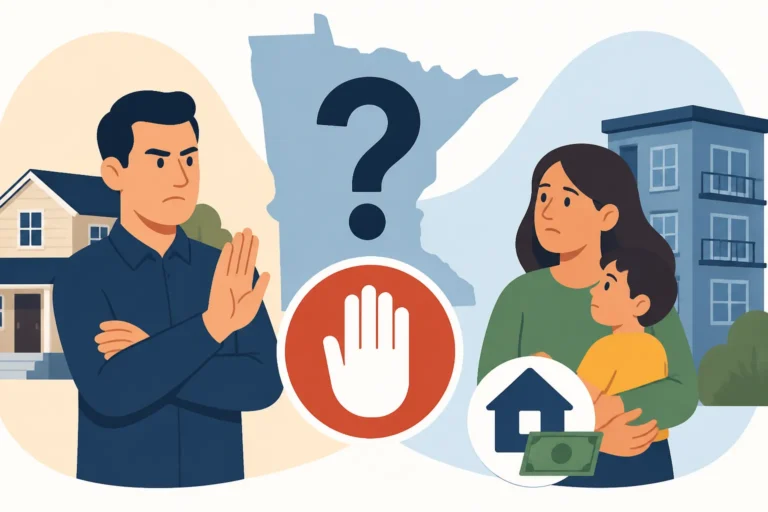
When we talk about whether a landlord can "refuse Section 8," we're really asking if "source of income" is a protected class under housing discrimination laws. Unfortunately, at the state level in Hawaii, there is currently no statewide law that explicitly prohibits landlords from discriminating based on a prospective tenant's source of income, which would include Section 8 housing vouchers. This means that a landlord operating outside of specific counties might legally be able to refuse to accept a Section 8 voucher, even if the tenant meets all other qualifications.
However, this is where local ordinances become incredibly important. Several populous counties in Hawaii have taken matters into their own hands to provide greater protections for their residents. For instance, the City and County of Honolulu and Maui County have enacted laws that prohibit discrimination based on "source of income." This is a critical distinction because it means that while a landlord on the Big Island (Hawaii County) or Kauai might legally be able to refuse a Section 8 voucher, a landlord in Honolulu or Wailuku generally cannot.
This patchwork of laws can be incredibly confusing for both tenants and landlords, and it often leads to a lot of frustration. What's legal in one part of the state might be illegal just a few miles down the road. It’s why understanding your exact location and its local rules is paramount. For more general information on how these protections vary, you might want to look into Source-of-Income Discrimination & Section 8 by State.
What "Source of Income" Really Means
When a jurisdiction protects "source of income," it typically means that landlords cannot treat applicants differently because of where their money comes from, as long as that income is legal and verifiable. This isn't just about Section 8. It also applies to other forms of assistance like Social Security, disability payments, veteran benefits, child support, or even income from multiple jobs if a landlord typically prefers a single, full-time employer.
For Section 8, this protection means that landlords in Honolulu or Maui County cannot simply say, "We don't accept Section 8 vouchers." They must treat an applicant with a voucher the same way they would treat any other applicant whose income comes from traditional employment. This includes considering them for available units, processing their application, and applying their standard tenant screening criteria without prejudice. The landlord can still screen tenants for things like credit history, rental history, and criminal background, but they can't reject them solely because of the voucher.
Cities and Counties with Stronger Protections
As mentioned, the City and County of Honolulu and Maui County stand out in Hawaii for their robust protections against source of income discrimination.
- City and County of Honolulu: Under Chapter 14 of its Revised Ordinances, the City and County of Honolulu explicitly lists "source of income" as a protected class. This means if you're looking for an apartment in areas like downtown Honolulu, Waikiki, Pearl City, or Ewa Beach, landlords there are generally prohibited from refusing your Section 8 voucher. They must evaluate your application based on the same criteria applied to all other applicants.
- Maui County: Similarly, Maui County has an ordinance (Chapter 16.08 of the Maui County Code) that includes source of income as a protected characteristic. This covers areas like Kahului, Lahaina, Kihei, and other communities on Maui. Landlords in these areas must also consider Section 8 tenants without discrimination.
It's crucial for both tenants and landlords to verify the specific ordinances in their exact location. While these two counties have strong protections, other counties like Hawaii County (Big Island) and Kauai County do not currently have similar local laws. This makes the answer to "Can a Landlord Refuse Section 8 in Hawaii?" highly dependent on where in Hawaii you're asking. Staying informed about Fair Housing Act: Protected Classes Explained can help you understand the broader context of these protections.
What Landlords Need to Know in Hawaii
For landlords, navigating these different rules can feel like walking a tightrope. It's not just about what you can do, but what you must do to comply with the law, especially in areas with source of income protections.
Navigating the Legal Requirements
If you're a landlord in the City and County of Honolulu or Maui County, you absolutely need to be aware that source of income is a protected class. This isn't optional. It means:
- No Blanket Refusals: You cannot advertise "No Section 8" or state orally that you do not accept housing vouchers.
- Equal Treatment: You must treat Section 8 applicants the same as any other applicant. This means applying the same screening criteria, such as income-to-rent ratios, credit checks, and rental history checks.
- Reasonable Accommodation: You must engage with the Public Housing Authority (PHA) to understand the program's requirements, including property inspections and lease addendums.
- Non-Retaliation: You cannot retaliate against a tenant or applicant for asserting their fair housing rights.
While the administrative process for Section 8 can seem a bit more involved than a purely private rental, it’s a necessary part of participating in the program in protected areas. Platforms like TurboTenant can help landlords streamline their application and screening processes, but remember that specific fair housing laws always take precedence over platform defaults. Ignoring these local laws can lead to serious legal consequences, including fines and damages.
Common Misconceptions and Concerns
Many landlords, even those willing to work with Section 8, harbor concerns. Let's tackle a few:
- "Section 8 tenants cause more damage." This is a harmful stereotype. Tenant behavior is individual, not determined by how their rent is paid. In fact, many Section 8 tenants are diligent and responsible, valuing their stable housing. The PHA also conducts initial and annual inspections, which can sometimes be an advantage for property upkeep, as it ensures basic habitability standards are met.
- "The bureaucracy is too much." While there are forms and inspections, the process has become more streamlined over the years. The PHA acts as a reliable intermediary, and for many landlords, the guaranteed portion of the rent check outweighs the administrative hurdles. You'll need to work with the PHA on things like property inspections and executing the Housing Assistance Payments (HAP) contract, but these are manageable steps.
- "I'll have less control over my property." Landlords still retain significant control. You select your tenants, set the rent (within PHA limits), and enforce lease terms. The PHA's role is primarily to ensure the unit meets health and safety standards and to manage the subsidy. You still manage the tenant-landlord relationship directly.
- "What if the rent I want is too high for Section 8?" The PHA determines a "rent reasonableness" standard. If your asking rent is above this, they may not approve it. This can sometimes be a sticking point, but it's part of the program's goal to ensure fair market rates. Landlords should discuss potential rent amounts with the local PHA.
It's worth noting that a landlord still has the right to screen all tenants, including Section 8 applicants, using consistent and lawful criteria. This includes checking credit scores, eviction history, and criminal background, as long as these criteria are applied uniformly. You can learn more about acceptable practices in What a Landlord Can & Cannot Ask and How to Screen a Tenant (Landlord Guide).
The Application Process with Section 8 Tenants
When a Section 8 tenant applies, the process generally mirrors that of any other applicant, with a few key differences:
- Standard Application: The tenant completes your regular rental application.
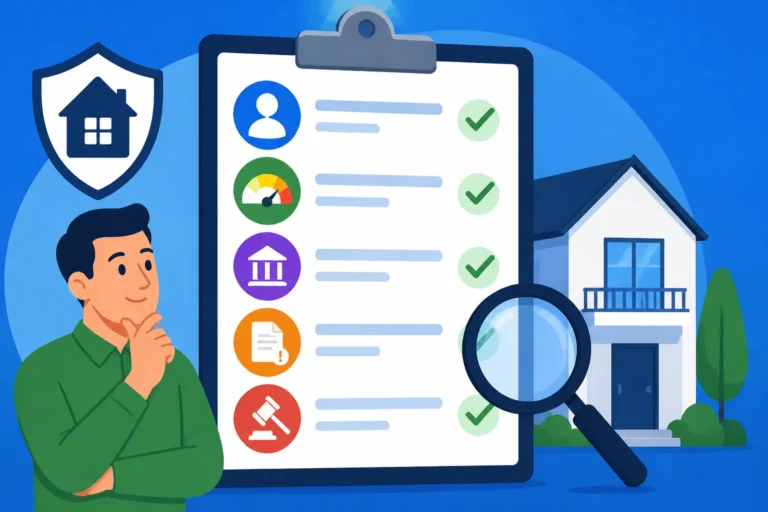
- Screening: You conduct your normal background, credit, and rental history checks. Remember, you cannot deny them solely for being Section 8. Denials must be based on legitimate, non-discriminatory criteria. If an applicant has a poor rental history or fails to meet your established income-to-rent ratio (considering the total rent, not just the tenant's portion), you can still deny them. For example, if your policy requires an applicant's income to be 3x the rent, and the tenant's portion of the rent is $500, but their total income is only $1000, that could be a legitimate reason for denial, depending on how your specific income criteria are structured and applied. This is why What Disqualifies You From Renting? is a good resource.
- PHA Paperwork: If the tenant passes your screening, they will present you with their voucher and request to fill out PHA-specific paperwork, including a Request for Tenancy Approval (RFTA).
- Rent Negotiation: The PHA will review the proposed rent to ensure it's reasonable for the market and within their payment standards. You might need to negotiate the rent slightly.
- Inspection: The PHA will schedule an inspection of your property to ensure it meets Housing Quality Standards (HQS). This inspection covers health, safety, and basic habitability. You'll need to address any identified deficiencies.
- Lease Signing & HAP Contract: Once the unit passes inspection and the rent is approved, you'll sign your standard lease agreement with the tenant, and you'll sign a separate Housing Assistance Payments (HAP) contract with the PHA. This contract guarantees the subsidy payment.
Throughout this process, transparency is key. Using a platform like TurboTenant can help manage applications and communicate with prospective tenants efficiently. For landlords, understanding Application Fees & Move-In Costs is also important, as some fees might be limited or handled differently for Section 8 tenants.
Tenant Rights and Recourse in Hawaii
If you're a Section 8 voucher holder in Hawaii, especially in Honolulu or Maui County, it's vital to know your rights and what to do if you suspect discrimination.
Recognizing Discrimination
Discrimination isn't always overt. Sometimes it's subtle, but it's still illegal in protected areas. Here are some red flags that might indicate source of income discrimination:
- "No Section 8" Advertisements: This is a clear violation in Honolulu and Maui County.
- Sudden Unavailability: You inquire about a unit, mention your Section 8 voucher, and suddenly the unit is "no longer available," but it remains advertised or is shown to other non-voucher applicants.
- Different Application Standards: The landlord applies stricter screening criteria to you than to other applicants (e.g., higher income-to-rent ratio, requiring a higher credit score, or more stringent background checks) without a clear, non-discriminatory reason.
- Refusal to Accept Paperwork: The landlord refuses to accept your Request for Tenancy Approval (RFTA) or engage with the PHA.
- Discouraging Statements: A landlord tries to dissuade you from applying by saying the process is too complicated or that "it never works out with Section 8 tenants."
Remember, landlords can still deny you for legitimate reasons like poor credit, a history of evictions, or a verifiable criminal record, as long as these criteria are applied equally to all applicants. The key is whether the denial is based solely on your source of income. If you feel like you were unfairly denied, understanding Can a Landlord Deny You? (Tenant Guide) might be helpful.
Steps to Take if You Believe You've Been Discriminated Against
If you believe you've faced source of income discrimination in a protected area of Hawaii, don't give up. You have options:
- Document Everything: Keep detailed records. This includes dates, times, names of individuals you spoke with, what was said, copies of advertisements, emails, texts, and any other relevant communications. If you were denied, ask for the reason in writing.
- Contact Your Public Housing Authority (PHA): Your local PHA (like the Hawaii Public Housing Authority) can offer guidance and may have resources to help mediate the situation or advise you on the next steps. They are your first line of defense and a partner in your housing search.
- File a Complaint with a Fair Housing Organization: Non-profit fair housing organizations exist to advocate for tenants and investigate discrimination claims. In Hawaii, organizations like the Hawaii Civil Rights Commission (HCRC) or local legal aid societies can assist you. They can investigate your claim, provide legal advice, and sometimes even represent you.
- File a Complaint with HUD: The U.S. Department of Housing and Urban Development (HUD) enforces federal fair housing laws. While federal law doesn't explicitly protect source of income, HUD can still investigate if the discrimination is tied to another protected class (race, religion, gender, disability, familial status, national origin). More importantly, if the discrimination occurs in a locality with its own source of income protections (like Honolulu or Maui County), HUD can refer your complaint to the appropriate local agency. You can learn more about this process in How to File a Fair Housing Complaint.
It's crucial to act promptly, as there are often strict deadlines for filing discrimination complaints. Knowing What Is Considered Housing Discrimination? can empower you to recognize and challenge unfair practices.
Summary of Hawaii's Source of Income Laws for Section 8
To help make sense of Hawaii's nuanced approach to Section 8, here's a quick reference table:
| Jurisdiction | Source of Income Protected? | Applies to Section 8? | Key Action for Landlords | Key Action for Tenants |
|---|---|---|---|---|
| State of Hawaii | No (statewide law) | No | Can generally refuse, but consider local laws. | Be aware of county-level protections. |
| City & County of Honolulu | Yes | Yes | Must accept Section 8; no blanket refusals. | Protected from source of income discrimination. |
| Maui County | Yes | Yes | Must accept Section 8; no blanket refusals. | Protected from source of income discrimination. |
| Hawaii County | No | No | Can generally refuse. | No local protection for source of income. |
| Kauai County | No | No | Can generally refuse. | No local protection for source of income. |
This table provides a quick overview, but always remember to confirm the latest regulations with local housing authorities or fair housing agencies. Laws can change, and specific interpretations may vary.
Disclaimer
Please remember that this article provides general information and is not a substitute for legal advice. Landlord-tenant laws are complex and can change. Always consult with a qualified attorney or your local housing authority for advice specific to your situation.