What to Do If Your Apartment Has Mold
Finding mold in your apartment can be an incredibly unsettling and frustrating experience. One day your home feels safe and clean, and the next, you spot that tell-tale splotch of green, black, or white, immediately sparking concerns about your health and the structural integrity of your living space. This comprehensive guide is designed to empower you with the knowledge and actionable steps you need to take if you discover mold, helping you understand your rights and responsibilities, and how to effectively address the issue with your landlord.
Understanding Mold in Your Apartment: What It Is and Why It Matters
Mold isn't just an unsightly nuisance; it's a living organism that thrives in damp conditions, and its presence in your home can have serious implications. Ignoring it won't make it go away, and in most cases, it will only get worse, spreading further and potentially causing more significant problems.
Common Types of Mold and Their Appearance
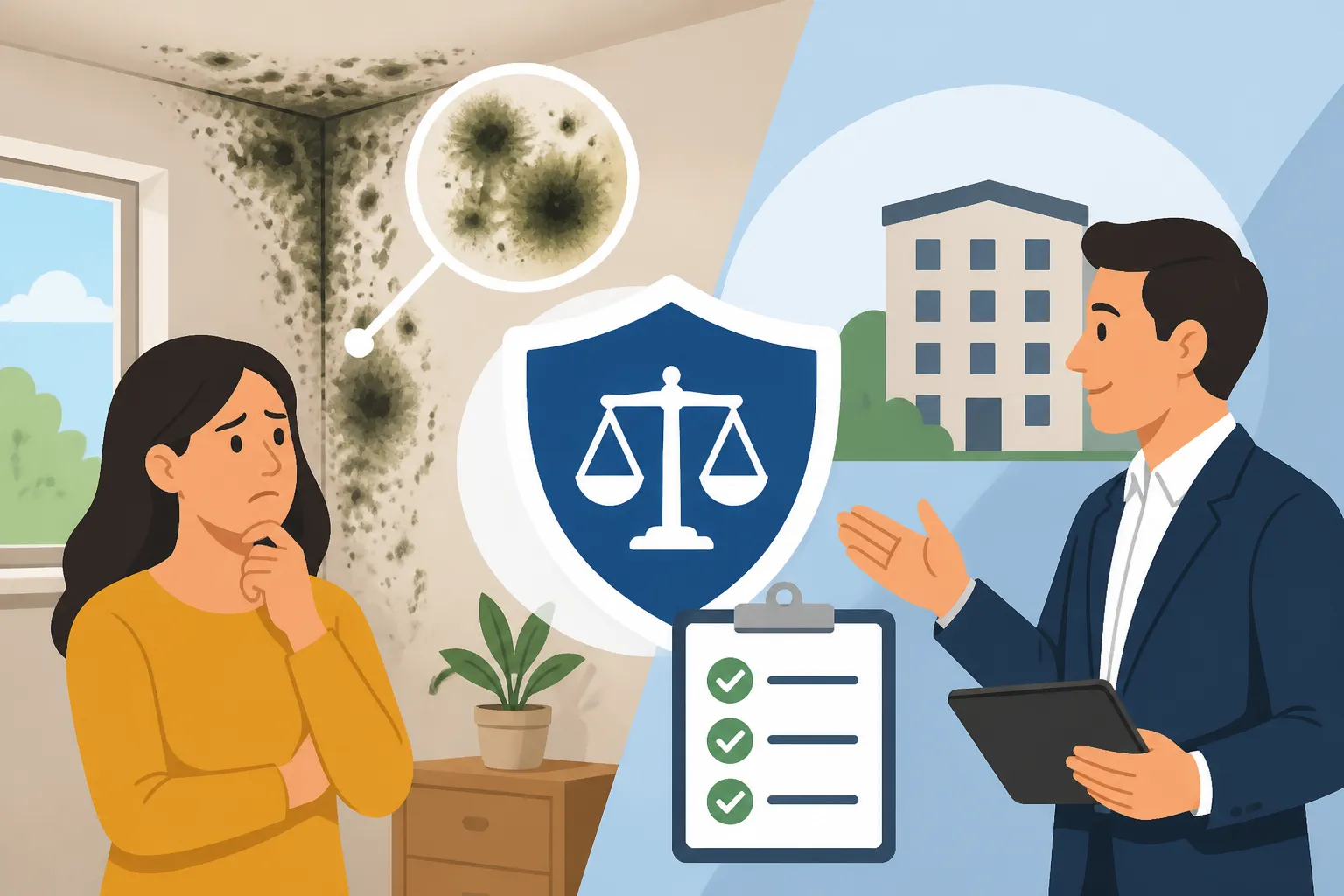
When you see mold, it's often recognized by its fuzzy, discolored patches. While many types of mold exist, a few are particularly common in residential settings. You might encounter black mold, often feared for its "toxic" reputation (Stachybotrys chartarum), though many black molds are not Stachybotrys. Other common types include Cladosporium, which can appear as olive-green, brown, or black, and Penicillium and Aspergillus, which often look blue-green or grey. Regardless of the exact type, visible mold growth, especially in large patches, indicates a moisture problem that needs immediate attention. It can appear as dots, splotches, or large spreading colonies on walls, ceilings, floors, and even personal belongings. The smell is often distinctively musty, earthy, or damp.
Health Implications for Tenants
The primary concern with mold exposure is its potential impact on your health. Mold spores, when inhaled, can trigger a range of symptoms, particularly in individuals with allergies, asthma, or compromised immune systems. Common health issues include respiratory problems like wheezing, coughing, and shortness of breath. You might experience nasal stuffiness, eye irritation, skin rashes, or even more severe reactions in sensitive individuals. Children and the elderly are often more susceptible to these effects. Prolonged exposure can lead to chronic fatigue, headaches, and a general feeling of malaise. It’s not just about the visible mold; the spores can travel through the air, affecting indoor air quality long before you even see the full extent of the problem.
Where Mold Commonly Hides
Mold is a master of disguise and loves dark, damp, and undisturbed places. While you might first spot it in obvious areas like a leaky bathroom ceiling or around a window frame with condensation, it can also hide in less visible spots. Think behind drywall, under flooring, inside cabinets, around pipes, in air conditioning ducts, or even under wallpaper. Any area that has experienced water damage, condensation, or persistent humidity is a prime candidate for mold growth. This includes basements, bathrooms, kitchens, laundry rooms, and areas near plumbing or appliances that might leak. If you smell that tell-tale musty odor but can't see the mold, it's likely lurking out of sight, warranting a more thorough investigation.
Your Landlord's Responsibilities Regarding Mold
Understanding who is responsible for tackling mold is crucial. Generally, landlords have a legal obligation to maintain a habitable living environment, and that typically includes addressing significant mold issues caused by property defects.
The Implied Warranty of Habitability
Most states have what's known as an Implied Warranty of Habitability Explained. This legal principle dictates that a landlord must provide a rental unit that is safe, clean, and fit for human habitation. This includes ensuring the property is free from serious structural defects, has adequate waterproofing, and is free from hazards like extensive mold growth. If a plumbing leak, a leaky roof, or a faulty HVAC system leads to mold, it's often the landlord's duty to fix the underlying issue and remediate the mold. Failing to do so can be considered a breach of this warranty, giving you certain rights as a tenant. The standard isn't perfection, but rather a reasonable expectation of health and safety.
State-Specific Mold Laws and Regulations
While the implied warranty of habitability is a general rule, many states and even some cities have specific laws regarding mold. Some states, like California and New Jersey, have explicit statutes or regulations that classify extensive mold as a health hazard or a condition that makes a property uninhabitable. For instance, California's Health and Safety Code specifically addresses "toxic mold" and requires landlords to remediate it. Other states might have less direct laws, but building codes often require properties to be free of moisture intrusion and pests, which indirectly covers mold. These laws might stipulate how quickly a landlord must respond to a mold complaint or what level of mold constitutes a violation. It's always a good idea to research your specific state and local tenant laws to understand the nuances of mold responsibility in your area.
When Mold is Not the Landlord's Fault
It's important to acknowledge that not all mold is the landlord's responsibility. Sometimes, mold growth can be attributed to tenant actions or negligence. For example, if you consistently fail to ventilate your bathroom after showering, leading to excessive humidity and mold around the tub, that might be considered your responsibility. Similarly, if you spill water and don't clean it up promptly, or if you ignore a small, tenant-caused leak under your sink that then leads to mold, the landlord might argue you are at fault. Your lease agreement often outlines tenant responsibilities for maintaining cleanliness and reporting issues promptly. If the mold resulted from something preventable on your end, or if you failed to notify the landlord of a water issue that then escalated, you might bear some or all of the cost or responsibility for remediation.
Documenting the Mold Problem Effectively
Documentation is your best friend when dealing with mold. Without clear evidence and a paper trail, it can be your word against your landlord's, which rarely ends well for the tenant.
Photographic Evidence and Video
As soon as you discover mold, your first step after ensuring your immediate safety should be to grab your phone or camera. Take numerous photos and videos of the mold, capturing its location, size, and severity. Make sure to include wider shots that show the mold in context within the room, and close-ups that clearly show the mold growth. Date-stamp your photos if possible, or verbally state the date in your video recordings. If there's an obvious source of moisture, like a leak or water stain, photograph that too. This visual evidence will be crucial in proving the existence and extent of the mold to your landlord and, if necessary, to a court. The more detailed your visual record, the stronger your case.
Crafting a Formal Written Notice
After gathering visual evidence, you need to officially notify your landlord in writing. A verbal conversation, while a good initial step, is rarely sufficient for legal purposes. A formal letter or email creates an undeniable record. Clearly state that you've discovered mold, describe its location and appearance, and mention any potential health symptoms you've experienced. Reference your photos/videos and offer to send them. Request that the landlord investigate the issue and begin remediation promptly. Include the date and keep a copy for your records. If sending a letter, use certified mail with a return receipt requested, so you have proof it was received. Many landlords use property management software like TurboTenant for communication, which can make it easier to keep a digital record of all messages. A template for how to write a repair request can be found in our guide on How to Request Repairs in Writing.
Tracking Communication and Responses
Every interaction you have with your landlord regarding the mold — every phone call, email, text message, or in-person conversation — should be meticulously documented. Note the date, time, who you spoke with, what was discussed, and any agreements made. If you have a phone call, follow up with an email summarizing the conversation to confirm your understanding. For example, "Following up on our call today, [Landlord Name], I understand you will have a contractor inspect the mold by Friday, October 27th. Please let me know if this changes." This consistent tracking helps build a strong case if the situation escalates. It demonstrates your diligence and the landlord's response (or lack thereof) over time.
Steps to Take When You Discover Mold
Once you've spotted mold, don't panic, but don't delay. Immediate action, taken correctly, can protect your health and your rights.
Initial Safety Precautions
Your health is paramount. If the mold is extensive or you're experiencing symptoms, consider temporarily relocating, especially if you have allergies, asthma, or are immunocompromised. If you must remain in the apartment, try to seal off the affected area with plastic sheeting and tape to prevent spores from spreading. Open windows to increase ventilation, but be mindful not to spread spores to other areas of the home. Avoid disturbing the mold or trying to clean large patches yourself without proper protective gear, as this can release more spores into the air. Wear an N95 mask, gloves, and eye protection if you must be in the vicinity of the mold. Remove any movable items from the affected area to prevent them from becoming contaminated.
Notifying Your Landlord in Writing
As mentioned earlier, formal written notification is critical. This is not just a suggestion; it's often a legal requirement before you can take further action. Your notice should be clear, concise, and professional. State the problem, your observations, and your expectation that they will uphold their responsibility to provide a safe living environment. Refer to the date you discovered the mold and any health concerns. A good rule of thumb is to allow a "reasonable time" for the landlord to respond and take action, though what's reasonable can vary by state and the severity of the issue. Our article on Landlord Repair Responsibilities What They Must Fix provides more context on what landlords must typically address.
Following Up and Setting Deadlines
After your initial notice, don't just wait indefinitely. If you don't hear back or see action within a few days (or whatever your state law specifies as a reasonable response time for emergency repairs, generally 24-72 hours, or longer for non-emergencies), follow up. Send another written communication, referencing your previous notice and reiterating your request. You can also mention that if the issue is not addressed by a specific, reasonable date (e.g., 7-14 days for significant mold, depending on state law), you will consider further action. This creates a clear timeline of events and shows you are serious about resolving the problem.
| Action Step | Description | Importance | Recommended Timeline |
|---|---|---|---|
| Discover Mold | Identify mold growth, note location and extent. | Immediate | As soon as discovered |
| Document Evidence | Take photos/videos of mold and moisture source. | Critical | Immediately after discovery |
| Initial Notification | Contact landlord verbally (optional, but good for quick alert). | High | Within 24 hours of discovery |
| Formal Written Notice | Send certified letter/email with details and photos. | Legal Requirement | Within 24-72 hours of discovery |
| Track Communications | Keep records of all calls, emails, texts, landlord responses. | Critical | Ongoing |
| Follow-Up (if no action) | Reiterate request, state potential further actions. | High | After 5-7 business days of no landlord action |
| Seek Legal Counsel / Further Action | Consult housing authority, attorney, or consider advanced remedies. | High (if landlord non-compliant) | After "reasonable time" (often 7-30 days) |
When Your Landlord Doesn't Respond or Refuses to Act
Unfortunately, not all landlords are responsive or willing to address mold issues promptly. If your landlord drags their feet or outright refuses to help, you'll need to know your options for escalation.
Escalating Your Complaint
If your landlord ignores your formal written requests, it's time to escalate. First, you can contact your local housing authority or code enforcement office. They can send an inspector to assess the mold situation and, if it violates local building or health codes, issue a citation to your landlord, mandating repairs. This often carries legal weight and penalties, which can motivate a reluctant landlord. Another avenue might be contacting a local tenant's rights organization, which can offer advice and support. When interacting with these agencies, provide them with all your meticulously kept documentation: photos, videos, and communication logs. The more evidence you have, the more effectively they can assist you.
Understanding Repair and Deduct Options
In some states, if a landlord fails to make necessary repairs (including mold remediation due to habitability issues) after proper written notice and a reasonable amount of time, tenants may have the option to "repair and deduct." This means you arrange for the repairs yourself and then subtract the cost from your next rent payment. However, this is a risky option and is only legal in certain states and under very specific conditions. For example, in states like California, you generally need to provide explicit written notice of your intent to repair and deduct, and the repair cost often cannot exceed one month's rent. You must also have given the landlord adequate time to address the issue. Before considering this, you must consult your state's specific Repair and Deduct by State laws or speak with a tenant lawyer, as doing it incorrectly can lead to eviction.
Considering Constructive Eviction or Legal Action
If the mold makes your apartment truly uninhabitable, and your landlord refuses to act, you might have grounds for what's called "constructive eviction." This occurs when a landlord's inaction or actions make the property so unlivable that you are effectively forced to move out, even though you haven't been formally evicted. If proven, constructive eviction can relieve you of your lease obligations and potentially allow you to sue for damages. This is a severe step and carries significant legal risks, so it should only be pursued with legal counsel.
Alternatively, you could pursue legal action directly, perhaps by suing your landlord in small claims court for the cost of damages, health issues, or for a refund of rent paid while the unit was uninhabitable. This can be a lengthy process, but with strong documentation, you might recover some losses. Our guide on Withholding Rent for Repairs delves deeper into these complex legal strategies. Companies like Steadily offer landlord insurance, which might cover some property damage, but this doesn't alleviate the landlord's direct responsibility to you. Knowing about resources for tenants facing negligent landlords, such as in our article Tenant Rights If Landlord Won't Return Deposit, can also be helpful.
Preventing Future Mold Growth and Tenant Duties
While much of the responsibility for severe mold issues falls on the landlord, tenants also have a role to play in prevention. Being proactive can save you a lot of headache in the long run.
Tenant's Role in Mold Prevention
Your lease agreement likely outlines your duties to keep the premises clean and notify the landlord of needed repairs. This extends to mold prevention. Simple habits can make a big difference. For instance, promptly wiping up spills, not letting wet towels pile up, and avoiding excessively humid environments are all part of a tenant's general care duties. If you notice condensation on windows, wipe it down. If you have an exhaust fan in your bathroom, use it. Your diligence can prevent small issues from becoming major problems that could potentially be attributed to you.
Maintaining Good Ventilation and Humidity Control
Mold thrives in high humidity. Proper ventilation is key to keeping moisture levels down. Always use exhaust fans in bathrooms during and after showers for at least 15-20 minutes. If you cook, use your kitchen fan. Open windows periodically, even for a few minutes a day, to allow fresh air to circulate, especially in humid climates or during certain seasons. Consider using a dehumidifier in particularly damp areas like basements or poorly ventilated rooms; these can be quite effective in maintaining ideal humidity levels (typically below 60%). Many modern apartments are quite airtight, making active ventilation even more important.
Regular Cleaning and Reporting Leaks Promptly
Regular cleaning with household cleaners can help deter mold growth on surfaces. Pay special attention to areas prone to moisture, like shower walls, window sills, and around sinks. The most critical tenant responsibility, however, is to report any signs of water leaks or damage to your landlord immediately. A small drip under the sink or a subtle stain on the ceiling can quickly become a large mold problem if left unaddressed. Early reporting means the landlord can fix the issue before it escalates, potentially saving everyone a lot of money and health concerns. Even a minor leak can become an Emergency Repair if not handled quickly. Checking your renter's insurance policy, perhaps with a provider like Lemonade, might cover your personal belongings if they are damaged by mold caused by a covered peril, but it won't cover the mold remediation itself.
Disclaimer
Please remember that this article provides general information and guidance regarding landlord-tenant laws and mold. Landlord-tenant laws vary significantly by state and local jurisdiction. This content is not a substitute for professional legal advice. Always consult with a qualified attorney or your local tenant's rights organization for advice specific to your situation.