How Much Can a Landlord Raise Rent in Alabama?
It’s a scenario many of us have faced: you're settled into your rental, paying your rent on time, and then a notice lands on your doorstep. Suddenly, your landlord wants to raise the rent, and a knot forms in your stomach as you wonder, "How much can they actually raise it? Is there even a limit?" This can feel incredibly frustrating and unfair, especially when you're trying to budget and plan for your future. This comprehensive guide will walk you through the specifics of rent increase laws in Alabama, helping you understand your rights and the legal boundaries your landlord must adhere to.
Understanding Alabama's Stance on Rent Control
One of the first things renters often ask is whether their state has rent control. The answer to this question significantly impacts how much a landlord can legally raise your rent. In Alabama, the reality for tenants is that there is no statewide rent control. This might come as a surprise or even a disappointment to many, as it can feel like landlords have free rein to increase rents as they please.
The Absence of Statewide Caps
Unlike some states with robust tenant protections, Alabama's laws generally do not impose limits on how much a landlord can increase rent. This means there's no cap, like a percentage or a fixed dollar amount, that landlords are legally forbidden to exceed when it comes to raising your monthly payment. This can be a tough pill to swallow, particularly in a rental market where housing costs are already a significant burden for many families and individuals.
For example, if you're renting an apartment in a booming area like Huntsville or along the Gulf Coast, and the demand for housing is high, your landlord technically could propose a substantial rent hike. There isn't a state statute that says, "A landlord can only raise rent by 5% each year," or anything similar. This lack of restriction often leaves tenants feeling vulnerable and without much recourse beyond deciding whether they can afford to stay or if they need to find new housing. It’s a stark contrast to places where rent control policies exist to protect tenants from excessive increases. You can learn more about general rules on how much a landlord can raise rent in our guide on How Much Can a Landlord Raise Rent? (Laws by State).
How Market Forces Influence Rent Increases
Given the absence of rent control, rental prices in Alabama are primarily dictated by market forces. This means that factors like the local economy, housing supply and demand, inflation, property taxes, and operating costs for landlords all play a significant role in determining how much rent can be charged and subsequently, how much it can increase.
If a neighborhood experiences an influx of new residents or a major employer moves into the area, rental demand can soar, often leading to landlords raising prices to match the new market value. Conversely, in areas with an abundance of vacant properties or a stagnant economy, landlords might be more hesitant to raise rents drastically for fear of losing tenants. This isn't to say landlords don't have expenses, of course; increased property taxes or maintenance costs might also prompt a rent hike. However, without specific legal limits, the "reasonableness" of an increase often becomes a matter of what the market will bear. It's a system that relies heavily on a tenant's ability to negotiate or seek alternative housing if an increase is too steep, which isn't always a feasible option.
Lease Agreements and Proper Notice for Increases
While Alabama may not have rent control, landlords aren't entirely without rules when it comes to raising rent. The most crucial factor in any rent increase is the existing lease agreement between you and your landlord, along with proper notice requirements. These elements are your primary defenses against sudden or arbitrary increases.
Fixed-Term Leases versus Month-to-Month Tenancies
The type of lease you have profoundly impacts when and how your rent can be increased.
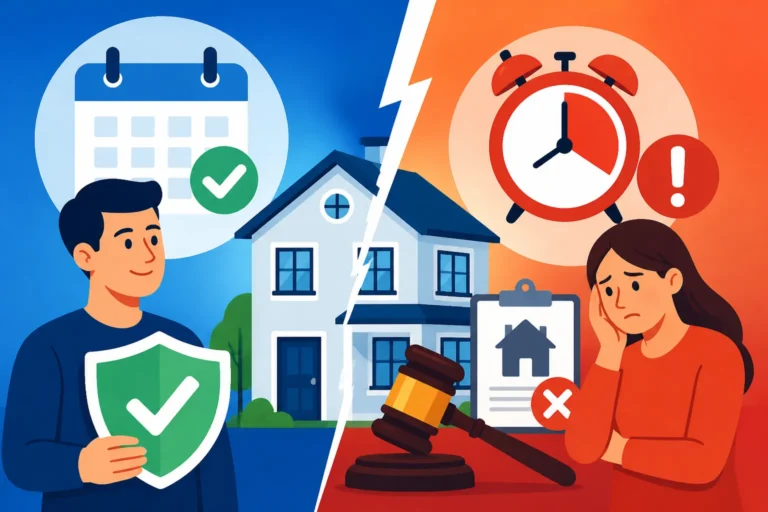
- Fixed-Term Leases: If you're on a fixed-term lease – meaning a lease for a specific period, usually six months or a year – your landlord cannot raise the rent during the lease term. The rent amount is locked in for the duration of that agreement. This provides a sense of stability, knowing exactly what your housing costs will be for a set period. Once that term is nearing its end, however, the landlord can propose a rent increase for the next lease period. This new proposed rent would typically be presented to you as part of a renewal offer. You then have the choice to accept the new terms, try to negotiate, or decide to move out. Understanding your lease is paramount. Our article on Fixed-Term vs Month-to-Month Leases offers a deeper dive into these differences.
- Month-to-Month Tenancies: This is where things get a bit more fluid. If you have a month-to-month rental agreement, or if your fixed-term lease has expired and you've continued living there without signing a new fixed-term lease (often converting to a month-to-month arrangement by default), your landlord can raise the rent. However, they must provide you with proper notice before the increase takes effect.
The ability for landlords to clearly communicate these details is essential. Landlord software like RentRedi can be very helpful for property owners to manage lease agreements, track renewal dates, and send out official notices, ensuring they meet their legal obligations while maintaining good tenant relations.
Alabama's Notice Requirements for Rent Increases
Even without rent control, Alabama law does require landlords to provide adequate notice before implementing a rent increase, especially for month-to-month agreements. While there isn't a specific state statute dictating the exact number of days for a rent increase notice in a month-to-month tenancy, it's generally understood that landlords must give at least 30 days' written notice before the effective date of the rent increase. This aligns with the notice period required to terminate a month-to-month tenancy in Alabama.
For example, if your landlord wants to raise your rent starting on October 1st, they would typically need to deliver a written notice of that increase to you by September 1st. This gives you a full 30 days to consider your options, budget for the new amount, or make arrangements to move if the increase is not feasible. The notice must clearly state the new rent amount and the date it will take effect. Verbal notices are generally not sufficient; a written notice protects both tenant and landlord by providing a clear record. Landlords who use digital platforms like RentRedi often find it easier to send and track these notices, ensuring compliance and transparency. Our guide on Rent Increase Notice Periods by State provides more context on these requirements across different jurisdictions.
When a Rent Increase Might Be Considered Unlawful
Even in a state without rent control like Alabama, there are specific situations where a rent increase could be challenged as unlawful. These often relate to the timing of the increase, discriminatory practices, or retaliatory actions by a landlord. Knowing these exceptions is key to protecting yourself as a tenant.
Retaliatory Rent Increases
Alabama's Uniform Residential Landlord and Tenant Act (AURLTA) offers some protections against retaliatory actions by landlords. While not explicitly detailed as a defense against rent increases in all scenarios, a landlord generally cannot raise your rent as a form of retaliation if you've exercised a legal right.
For instance, if you've recently complained to a housing authority about a significant habitability issue that the landlord refused to fix, or if you joined a tenant's union, and shortly thereafter your landlord slaps you with an exorbitant rent increase, this could be considered retaliatory. The law aims to prevent landlords from punishing tenants for asserting their rights. However, proving a rent increase is retaliatory can be challenging, as you often need to show a direct causal link between your actions and the landlord's increase. It helps if you have a clear paper trail of your communication and the landlord's response. Learn more about fighting such increases in our article on Retaliatory Eviction Defense and What to Do About an Illegal Rent Increase.
Discriminatory Rent Increases
The Fair Housing Act is a federal law that applies nationwide, including in Alabama. This act prohibits discrimination in housing based on race, color, national origin, religion, sex (including gender identity and sexual orientation), familial status (having children), and disability. If a landlord raises your rent because you belong to one of these protected classes, or because you have an emotional support animal, that increase would be illegal.
For example, a landlord cannot decide to raise only the rent for their tenants with children or for tenants from a specific ethnic background, while leaving other tenants' rents unchanged, unless there's a legitimate, non-discriminatory reason that applies universally. While a landlord might claim the increase is market-based, if there’s evidence that the increase is targeted at a protected group, it could be a violation of fair housing laws. Documenting any communication that suggests discriminatory intent is crucial if you suspect this is happening to you. Our guide on Fair Housing Act: Protected Classes Explained dives deeper into these critical protections.
Increases During an Active Lease Term
As mentioned earlier, if you are currently under a fixed-term lease agreement, your landlord cannot legally raise your rent mid-lease. The rent amount is contractually bound for the duration specified in the lease. Any attempt by a landlord to increase rent before the lease term is up is a breach of contract.
This is why it's so important to review your lease carefully before signing and keep a copy for your records. It's your legal document outlining the terms of your tenancy, including the rent amount. The only exception would be if your lease itself contains a very specific clause allowing for mid-term rent adjustments under predefined circumstances (e.g., specific utility cost changes), but such clauses are rare and usually highly scrutinized. If your landlord tries to raise your rent during an active fixed-term lease, you have strong grounds to dispute it. Our post, Can a Landlord Raise Rent During a Lease?, explains this in more detail.
Steps to Take When Faced with a Rent Increase in Alabama
Receiving a rent increase notice can be unsettling, but knowing your options can empower you to respond effectively. Even without statewide rent control, Alabama tenants have ways to navigate this common scenario.
Review Your Lease Agreement Carefully
The very first thing you should do is pull out your lease agreement. This document is the cornerstone of your tenancy and outlines many of your rights and responsibilities, as well as your landlord's. Check the following:
- Lease Type: Are you on a fixed-term lease or a month-to-month agreement? As discussed, this dictates when an increase is even permissible.
- Renewal Clauses: Does your lease specify any terms for renewal, including how rent increases are handled at renewal? Some leases might have clauses about Lease Renewals & Automatic Renewal Clauses that you need to be aware of.
- Notice Period: Does your lease specify the notice period required for rent increases or lease changes? While state law generally implies 30 days for month-to-month, your lease might specify something different, as long as it complies with legal minimums.
If your fixed-term lease is still active, and your landlord is attempting to raise the rent, you can politely but firmly remind them that the current rent is binding until the lease expires.
Communicate and Negotiate with Your Landlord
After reviewing your lease, consider reaching out to your landlord. A simple conversation can sometimes resolve misunderstandings or even lead to negotiation.
- Ask for Justification: You can ask your landlord for the reason behind the increase. Is it due to rising property taxes, increased utility costs, or market value? While they aren't legally required to justify it in Alabama, understanding their reasoning can help you frame a response.
- Negotiate the Increase: Don't be afraid to negotiate. If you've been a reliable tenant, paid rent on time, and taken good care of the property, you have leverage. You might propose a slightly lower increase or ask if there are any improvements or additional amenities that come with the higher rent. If you're a long-term tenant, your landlord might prefer to keep a good tenant at a slightly lower rate than go through the hassle and expense of finding a new one. Consider discussing strategies from our article on How to Negotiate a Rent Increase.
- Suggest a Longer Lease: Sometimes, a landlord might agree to a smaller increase if you commit to a longer lease term, providing them with more stability. Tools like RentRedi can facilitate these conversations and document agreements between landlords and tenants.
Document Everything and Explore Alternatives
Maintaining thorough records is essential in any landlord-tenant relationship, especially when discussing rent increases.
- Keep Records: Always communicate in writing – email or certified mail – so you have a clear record of any offers, counter-offers, and the final agreement. Note the dates and times of any phone conversations. This documentation will be invaluable if a dispute arises later.
- Research Local Market Rents: Do some research on comparable properties in your area. Are other similar units renting for significantly less or more? This information can strengthen your negotiation position or help you understand if the increase is truly out of line with the market.
- Consider Your Options: If the increase is non-negotiable and genuinely unaffordable, you might need to consider moving. Start looking for new apartments in your budget and be prepared to give appropriate notice to your current landlord if you decide to vacate. Remember, typically in Alabama, for month-to-month tenancies, 30 days' notice is required to terminate your agreement. Our guide on How Much Notice to End a Month-to-Month Lease? can provide more details.
By being informed, organized, and proactive, you can navigate rent increases more effectively and ensure your rights as a tenant are respected, even in a state like Alabama where specific rent control measures are absent.
State and Local Resources for Alabama Tenants
Even without specific rent control laws, tenants in Alabama still have rights and resources available to them. It's important to know where to turn if you believe your landlord is acting unlawfully or if you simply need advice.
Understanding the Alabama Uniform Residential Landlord and Tenant Act (AURLTA)
While not a rent control statute, the AURLTA governs most landlord-tenant relationships in Alabama. It outlines the basic rights and responsibilities of both parties. This act covers areas such as:
- Lease Requirements: What must be included in a lease.
- Security Deposits: Rules around what can be deducted and when it must be returned. You can find more details in Security Deposit Laws by State (2026).
- Landlord Responsibilities: Maintenance, habitability, and notice for entry. Our guide on Landlord Repair Responsibilities (What They Must Fix) is a good resource.
- Tenant Responsibilities: Paying rent, keeping the property clean, and avoiding damage.
- Eviction Procedures: The legal process a landlord must follow to evict a tenant.
Familiarizing yourself with the AURLTA can provide a foundational understanding of what is and isn't allowed in your rental agreement. While it won't cap a rent increase, it ensures that your landlord follows proper procedures in other aspects of your tenancy, which can be indirectly related to how a rent increase is handled (e.g., if a retaliatory increase is tied to a repair request).
Legal Aid and Housing Counseling Services
If you're facing a rent increase that feels discriminatory, retaliatory, or simply unlawful, and you're unsure how to proceed, consider seeking professional advice.
- Legal Services Alabama: This non-profit organization provides free civil legal aid to low-income people in Alabama. They can offer advice, and sometimes representation, on landlord-tenant disputes, including issues related to rent increases.
- Housing Counseling Agencies: Organizations like the Alabama Housing Finance Authority (AHFA) or local non-profits might offer housing counseling services. While they may not provide legal advice, they can often help you understand your rights, mediate disputes with landlords, or direct you to appropriate resources.
- Fair Housing Centers: If you suspect discrimination is at play in your rent increase, contacting a local fair housing organization is crucial. They specialize in investigating and addressing housing discrimination claims under the federal Fair Housing Act.
These resources can provide invaluable support and guidance when you're feeling overwhelmed by a potential rent increase or other landlord-tenant issues. Don't hesitate to reach out for help; sometimes, simply knowing your options and having an advocate can make all the difference.
Table: Key Considerations for Rent Increases in Alabama
| Aspect | Alabama Rule (General) | Tenant Action Item |
|---|---|---|
| Rent Control | No statewide rent control or caps on increase percentage. | Research local market rates; assess affordability. |
| Fixed-Term Lease | Rent cannot be increased during the lease term. | Review your lease for the end date; understand What to Include in a Lease Agreement. |
| Month-to-Month Lease | Landlord can increase rent with proper notice. | Expect potential increases; be prepared to negotiate or move. |
| Notice Period | Generally, 30 days' written notice required for month-to-month tenancies. | Ensure notice is written and timely; understand Rent Increase Notice Periods by State. |
| Retaliation/Discrimination | Illegal to increase rent in retaliation for exercising legal rights or for discriminatory reasons. | Document all communications; seek legal aid if suspected. |
| Lease Renewal | Landlord can propose new rent at renewal. | Evaluate new terms; consider negotiating with your landlord. |
Knowing your rights and the available resources is your best defense against unfair or unexpected rent increases. While Alabama's laws might lean more towards landlords in terms of rent caps, tenants are still protected by other crucial aspects of landlord-tenant law.
Disclaimer
Please remember that this article provides general information and is not a substitute for legal advice. Landlord-tenant laws can be complex and may change. It’s always best to consult with a qualified legal professional in Alabama for advice tailored to your specific situation.