Late Fee Limit in Indiana
Indiana rental law lacks a statewide cap, requiring late fees to remain reasonable and clearly outlined inside signed lease agreements.

Indiana rental law lacks a statewide cap, requiring late fees to remain reasonable and clearly outlined inside signed lease agreements.

Tennessee residential rental laws require late fees to remain reasonable and explicitly stated within the written lease agreement for validity.

Arizona late fee regulations lack a statutory limit, requiring charges to remain reasonable and proportional to actual landlord damages.

Colorado rental laws establish strict late fee limits, a mandatory seven-day grace period, and specific rules for residential lease agreements.
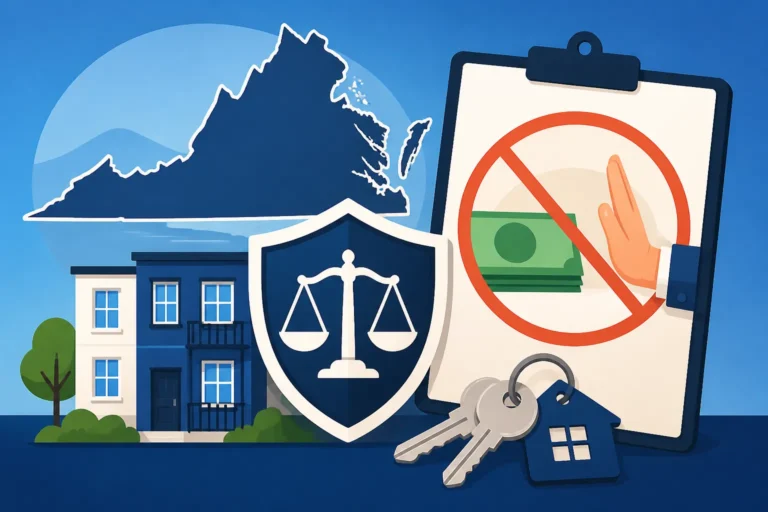
Virginia law limits residential late rent fees to ten percent of the periodic rent or unpaid balance, whichever is less.

Michigan late rent fee regulations lack statutory caps, requiring charges to remain reasonable and serve as lawful liquidated damages.

Ohio late fee regulations do not set a specific cap, requiring charges to remain reasonable and cover actual landlord damages.
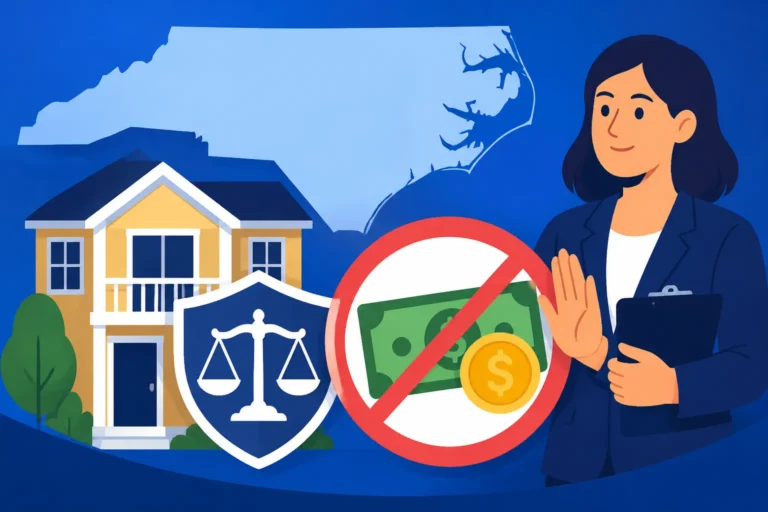
North Carolina late fee limits cap charges at fifteen dollars or five percent of rent, and enforce a five-day grace period.

Georgia rent late fee limits require reasonable charges and clear lease terms, helping tenants and landlords navigate state regulations and tenant rights.

Pennsylvania rental property rules do not set a maximum late fee limit, requiring all assessed charges to remain reasonable.