How to Break a Lease in Mississippi
Feeling trapped in a lease you desperately need to escape can be incredibly stressful, whether it's due to a sudden job relocation, a family emergency, or simply an unforeseen change in your life circumstances. Navigating the legalities of ending a rental agreement early in Mississippi can feel like walking through a minefield, with fears of financial penalties and damage to your rental history looming large. This comprehensive guide aims to demystify the process, helping you understand your rights and responsibilities when it comes to breaking a lease in the Magnolia State, and outlining steps you can take to minimize potential repercussions.
Understanding What It Means to Break a Lease in Mississippi
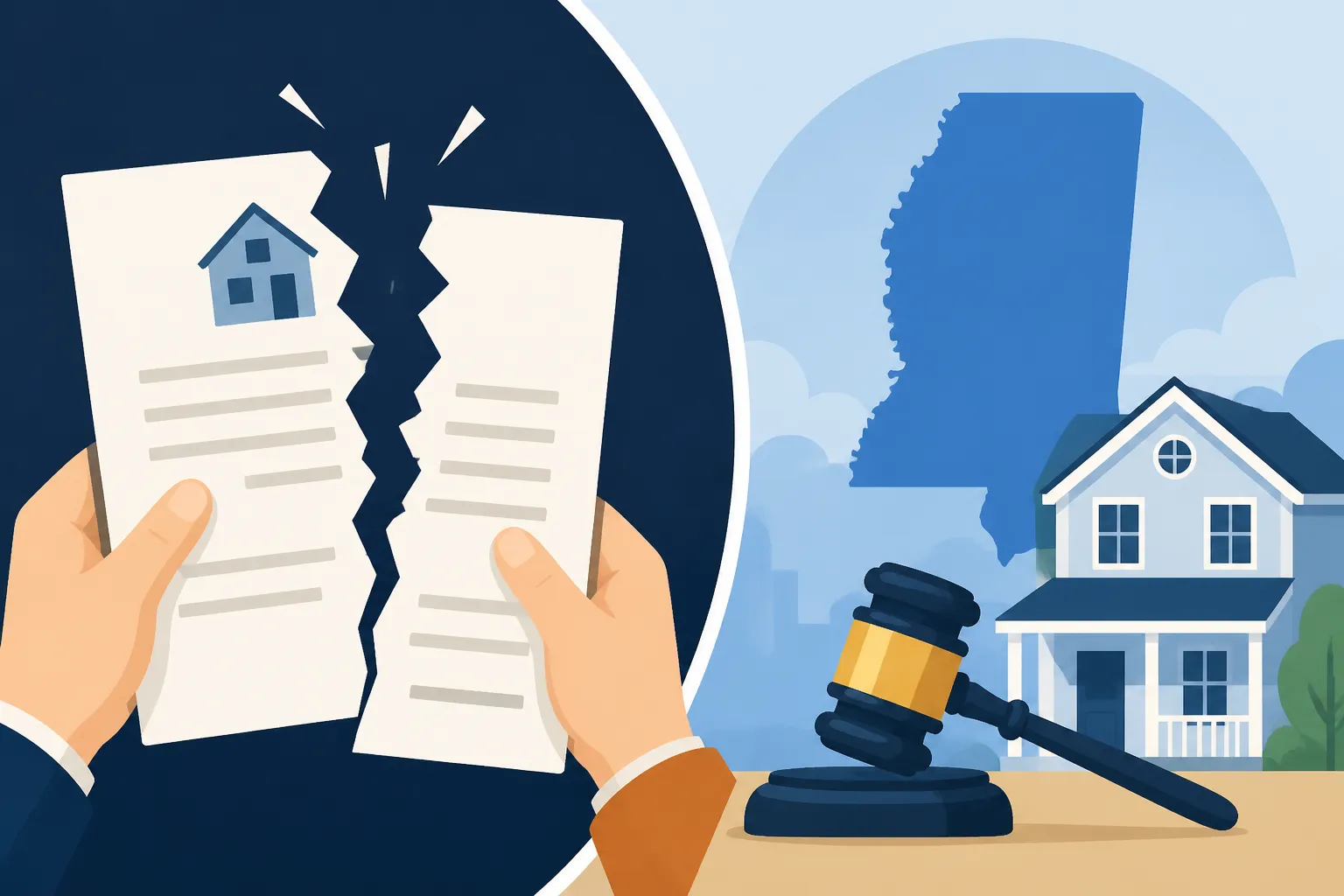
When you sign a lease agreement, you're entering into a legally binding contract that typically lasts for a fixed period, often 6 or 12 months. This agreement obligates both you (the tenant) and your landlord to certain terms, including the duration of your tenancy and your commitment to paying rent for that entire period. Breaking a lease simply means ending this contract before its agreed-upon term has expired. While it might sound straightforward, the implications can be significant, especially if you don't follow proper procedures or have a legally recognized reason.
The Lease as a Binding Contract
Think of your lease as more than just a piece of paper; it's a mutual promise. You promise to pay rent and abide by the rules for a set time, and your landlord promises to provide a habitable living space. When you decide to move out before the lease officially ends, you are essentially breaking that promise. In Mississippi, like most states, your landlord is generally entitled to receive rent for the full term of the lease, even if you move out early. This is why understanding your options and obligations is crucial. Many tenants find themselves surprised by the financial implications, not realizing their liability extends beyond simply moving their belongings out.
For example, imagine you signed a 12-month lease for an apartment in Hattiesburg, but three months in, you get an incredible job offer in Memphis. Your first instinct might be to pack up and go. However, without proper understanding, you could still be on the hook for the remaining nine months of rent in Hattiesburg, even while paying rent in Memphis. This scenario is precisely why knowing your rights and the legal pathways to termination is vital to protect yourself financially. This isn't just a casual agreement; it's a serious commitment that carries weight.
Distinguishing Between Legal and Illegal Lease Breaking
It's important to differentiate between breaking a lease legally and doing so illegally. A legal lease break occurs when you have a valid, court-recognized reason, or when your lease agreement explicitly provides an early termination clause. An illegal lease break, on the other hand, is when you simply move out without such justification or without following the terms of your lease or state law. The consequences of an illegal break can include serious financial repercussions, a hit to your credit score, and even an eviction on your record, which can make renting in the future much more difficult.
Many people confuse a "difficult situation" with a "legal reason." For instance, simply disliking your neighbors or finding a slightly cheaper apartment across town, while certainly motivating, are not legal justifications for breaking a lease in Mississippi. The law is quite specific about what constitutes a valid reason. Understanding these distinctions is the first step in deciding your course of action and exploring options like whether you can break a lease without penalty where possible.
Legal Justifications for Breaking a Lease in Mississippi
Mississippi law provides specific circumstances under which a tenant may be able to break a lease without incurring significant penalties. These reasons are designed to protect tenants in situations where continuing the tenancy would be impossible, unsafe, or unjust. It’s crucial to understand these legal "outs" before making any decisions.
Active Military Duty (Servicemembers Civil Relief Act – SCRA)
One of the most widely recognized legal reasons to break a lease across the country, including in Mississippi, falls under the Servicemembers Civil Relief Act (SCRA). This federal law provides protections for active duty military personnel. If you are a servicemember who receives permanent change of station (PCS) orders or orders to deploy for at least 90 days, you can typically terminate your lease early.
To legally break your lease under the SCRA, you must provide your landlord with written notice and a copy of your military orders. The termination becomes effective 30 days after the date on which your next rent payment is due, following the delivery of your notice. For example, if you give notice on June 15th, and rent is due on the 1st of each month, your lease would terminate on August 1st. This protection is a significant relief for military families who often face unpredictable moves. Many landlords are familiar with SCRA requirements, but it's always wise to ensure you follow the steps precisely. For a deeper dive, you can learn more about military (SCRA) lease termination step-by-step.
Domestic Violence, Sexual Assault, or Stalking
Mississippi law, under Mississippi Code Title 89, Chapter 7, Section 7, also offers protections for tenants who are victims of domestic violence, sexual assault, or stalking. If you or a member of your household is a victim of such abuse, you may be able to terminate your lease early. This is a critical provision designed to allow individuals to escape dangerous living situations without being further penalized.
To utilize this protection, you generally need to provide written notice to your landlord along with documentation, such as a protection order, a police report, or a statement from a qualified third party (like a social worker or victim's advocate). The specific requirements for documentation and notice periods can vary, so it’s important to consult the exact statute or seek legal advice. The law aims to provide a safe exit, ensuring that victims aren't financially tied to a home that has become a place of fear. This particular legal justification is a lifeline for many, as it allows them to prioritize their safety and well-being. For state-specific nuances, a guide on domestic violence lease termination by state could be helpful.
Uninhabitable Living Conditions
Landlords in Mississippi have a legal responsibility to provide and maintain a safe and habitable living environment for their tenants. This is often referred to as the "implied warranty of habitability." If your landlord fails to make necessary repairs that render your rental unit unsafe or uninhabitable, and they do not rectify the issues after receiving proper written notice, you might have grounds to break your lease.
Examples of uninhabitable conditions include a lack of essential utilities (like water or heat during cold months), severe pest infestations that the landlord refuses to address, structural problems that endanger residents, or persistent mold issues. Before breaking a lease on these grounds, it's crucial to document everything thoroughly, send written repair requests, and give your landlord a reasonable amount of time to fix the problem. Simply having a leaky faucet or a broken appliance, while annoying, usually won't qualify. The condition must be severe enough to affect your health and safety. If you believe your apartment is uninhabitable, understanding the implied warranty of habitability explained can clarify your rights.
Landlord Harassment or Privacy Violations
While less common, extreme cases of landlord harassment or repeated violations of your privacy rights can sometimes be grounds for breaking a lease. Landlords in Mississippi must generally provide notice before entering your rental unit, except in emergencies. If your landlord is entering your apartment without proper notice, harassing you, or otherwise making your tenancy unbearable, you might have a claim.
However, proving landlord harassment can be challenging. It typically requires a pattern of behavior, not just an isolated incident. Documenting every instance, communication, and witness statement is crucial if you plan to pursue this route. Before taking drastic action, it's often advisable to send a formal written notice to your landlord detailing the violations and requesting that they cease. This step can sometimes resolve the issue, but if it doesn't, it serves as important documentation for any future legal action.
Minimizing Financial Consequences When Breaking a Lease
Even if you don't have a legally protected reason to break your lease, there are still proactive steps you can take to minimize the financial hit. Simply abandoning your lease will almost certainly lead to maximum penalties, but engaging with your landlord and demonstrating good faith can often lead to a more favorable outcome.
Understanding the Landlord's Duty to Mitigate Damages
This is a critical concept in Mississippi landlord-tenant law. When a tenant breaks a lease, landlords in Mississippi have a "duty to mitigate damages." This means they are legally obligated to make a reasonable effort to re-rent the unit as quickly as possible. They cannot simply let the unit sit vacant and expect you to pay rent for the entire remaining lease term. Instead, they must actively advertise the property, screen new tenants, and try to find a replacement.
While the landlord must try to re-rent, you are typically still responsible for rent payments until a new tenant is found, or until your original lease term ends, whichever comes first. You might also be responsible for any reasonable costs the landlord incurs in finding a new tenant, such as advertising fees. By understanding the landlord duty to mitigate damages explained, you can hold your landlord accountable and potentially reduce your financial liability. This legal principle is your best friend when faced with an unavoidable early exit.
Negotiating an Early Termination Clause or Agreement
Before you even sign your lease, it's wise to look for an early termination clause. Some modern lease agreements, particularly those from larger property management companies, include specific terms that allow tenants to break the lease early, usually in exchange for a fee (e.g., two months' rent) and proper notice. If your lease doesn't have one, or if you're already in a binding agreement, it's still worth talking to your landlord.
Many landlords are willing to work with tenants, especially if you approach them professionally and offer solutions. You could propose paying a lump-sum early termination fee, or offer to help find a suitable replacement tenant. This often saves them time and money, making them more amenable to an agreement. Companies like TurboTenant, which offers lease agreement templates, might include such clauses, so reviewing your original documents carefully is a good first step. A formal written agreement, even if it's just an addendum to your existing lease, protects both parties.
Finding a Replacement Tenant or Subletting
Taking the initiative to find a qualified replacement tenant can significantly reduce your liability. While your landlord isn't obligated to accept any tenant you find, they generally cannot unreasonably refuse a suitable replacement. You can advertise the unit, conduct initial screenings, and then present prospective tenants to your landlord for their approval process.
Another option is subletting, where you find someone to live in your unit and pay rent to you, and you, in turn, pay the landlord. This effectively keeps your lease in place while shifting the day-to-day responsibility to another individual. However, subletting is usually only permitted if your lease specifically allows it or if your landlord grants written permission. Always get your landlord's consent in writing before subletting, as doing so without permission could be another lease violation.
Here's a quick comparison of scenarios:
| Scenario | Legal Grounds to Break Lease (Mississippi) | Potential Financial Liability | Impact on Rental History | Recommended Action |
|---|---|---|---|---|
| Active Military Duty | Yes (SCRA) | Minimal (rent until 30 days post-notice) | Low | Provide written notice & orders |
| Domestic Violence | Yes (State Law) | Minimal (rent until 30 days post-notice) | Low | Provide written notice & documentation |
| Uninhabitable Conditions | Yes (Landlord breaches habitability) | Minimal (if procedures followed) | Low | Document issues, send written notices, allow time for repair |
| Job Relocation | No | Significant (rent until re-rented) | Moderate | Negotiate, find replacement tenant, check early termination clause |
| Financial Hardship | No | Significant (rent until re-rented) | Moderate | Negotiate, seek assistance, find replacement tenant |
| Dislike Neighbors | No | Significant (rent until re-rented) | High | Negotiate, consider consequences carefully |
| Lease Allows Early Exit | Yes (Per clause) | Per clause (e.g., 2 months' rent fee) | Low | Follow lease's early termination clause procedures |
| Abandonment | No | Maximum (full remaining rent + damages) | Severe | Absolutely avoid; landlord can sue |
What Happens if You Break a Lease Illegally in Mississippi?
If you decide to break your lease in Mississippi without a legally justified reason or without coming to an agreement with your landlord, you could face several serious consequences. These aren't just minor inconveniences; they can have lasting impacts on your finances and your ability to secure future housing.
Financial Penalties and Collections
The most immediate and significant consequence of an illegal lease break is financial. As mentioned, your landlord has a right to recover the rent for the remainder of the lease term, or until they find a new tenant, whichever comes first, thanks to the duty to mitigate damages explained. This means if you have six months left on a $1,000 per month lease, and it takes your landlord two months to find a new tenant, you could be liable for $2,000 in lost rent, plus any re-rental costs.
Your security deposit will almost certainly be withheld to cover these losses, but often, the costs exceed the deposit amount. In such cases, your landlord can pursue you for the difference. This might involve sending your account to collections, which will negatively impact your credit score. They could also file a lawsuit against you in civil court to recover the funds. Facing a lawsuit can be daunting, and if a judgment is issued against you, it will be a public record that further damages your financial standing. Companies like LawDepot provide resources for creating various legal documents, but they also highlight the importance of adhering to lease terms to avoid such situations.
Damage to Your Credit Score and Rental History
When a landlord sends your unpaid debt to a collections agency or obtains a civil judgment against you for breaking a lease, this information will appear on your credit report. A damaged credit score can make it harder to qualify for loans, credit cards, or even other rental properties in the future. Many landlords run comprehensive background and credit checks, and an eviction or unpaid debt from a previous tenancy is a major red flag.
Imagine trying to rent a new apartment in Jackson, only to be denied because a tenant screening service reveals a past landlord dispute over unpaid rent. It's a frustrating and often humiliating experience. This negative mark on your rental history can linger for years, severely limiting your housing options and potentially forcing you into less desirable (and sometimes more expensive) rental situations. This is why understanding what happens if you break a lease is critical.
Eviction Proceedings and Legal Troubles
While it might seem counterintuitive to be evicted if you've already moved out, landlords can still initiate eviction proceedings against tenants who abandon a property with an active lease. This is often done to legally regain possession of the unit and clear the tenant from the property, even if they're not physically there. An eviction on your record, even if it's a "paper eviction" for abandonment, is a significant detriment.
Furthermore, if your landlord decides to sue you for the financial damages, you will have to appear in court. Ignoring a summons or failing to adequately defend yourself could result in a default judgment against you, making it even harder to resolve the situation favorably. The legal process can be time-consuming, emotionally draining, and expensive, even if you represent yourself. Understanding the ramifications can help you make a more informed decision when considering whether to get out of a lease you just signed. It’s always best to try and resolve the situation amicably and legally rather than simply disappearing.
Steps to Take If You Need to Break Your Lease
If you find yourself in a situation where breaking your lease in Mississippi seems inevitable, approach it strategically. Acting rashly can lead to worse outcomes, so take a deep breath and follow these structured steps to protect yourself as much as possible.
Review Your Lease Agreement Carefully
Before you do anything else, grab your lease agreement and read it from cover to cover. Pay close attention to clauses related to early termination, subletting, or assignment. Some leases, especially those provided by larger property management groups like those you might find using platforms like TurboTenant, may include an early termination fee or a specific process to follow. Understanding what you already agreed to is your first and most important step.
Look for any language that specifies penalties for early departure, notice requirements, or whether you are allowed to find a replacement tenant. Sometimes, a lease might even have a specific "liquidated damages" clause, stating a fixed amount you'd owe if you break the lease. Knowing these details upfront will give you a clear picture of your contractual obligations and potential costs.
Provide Proper Written Notice
Even if you don't have a legally justified reason to break your lease, and especially if you do, clear and timely communication with your landlord is paramount. Always provide your notice in writing. Do not rely on phone calls or verbal conversations. A written notice creates a paper trail, which can be invaluable if a dispute arises later.
Your notice should state your intention to vacate, the date you plan to leave, and ideally, the reason (if it's a legal one). Send this notice via certified mail with a return receipt requested, or deliver it in person and get a signed acknowledgment of receipt. This ensures you have proof that your landlord received the notice and when they received it. For guidance on how to phrase this, you might look at resources on how to write a notice to vacate. Remember, professionalism and clear communication can go a long way in fostering cooperation.
Document Everything Thoroughly
From the moment you decide to break your lease until you hand over the keys, document everything. This means keeping copies of all correspondence with your landlord (emails, letters, certified mail receipts), photos or videos of the rental unit's condition at move-in and move-out, and records of any efforts you made to find a replacement tenant.
If you are breaking the lease due to uninhabitable conditions, your documentation of those issues – photos, maintenance requests, and timelines – becomes even more crucial. This extensive record will serve as your defense if your landlord attempts to charge you for damages you didn't cause or attempts to collect rent beyond what is legally permissible. This careful documentation also plays a role in disputes over your security deposit, as outlined in articles like how long does a landlord have to return your deposit.
Seek Legal Advice if Necessary
Mississippi landlord-tenant laws can be complex, and every situation is unique. If you're unsure about your rights, the validity of your reasons for breaking a lease, or how to proceed, it's always a good idea to consult with a landlord-tenant attorney or a legal aid organization in Mississippi. They can provide tailored advice, review your lease, and help you understand the best course of action given your specific circumstances.
While it might seem like an added expense, professional legal advice can often save you significant money and stress in the long run by helping you avoid costly mistakes or navigate challenging negotiations with your landlord. Don't hesitate to reach out to local legal resources; many offer free or low-cost consultations.
Disclaimer
This article is for general informational purposes only and does not constitute professional advice. Laws and regulations vary by location and change over time. Consult a qualified professional for guidance on your specific situation.