How to Evict a Tenant in Wyoming
Wyoming eviction laws govern how landlords legally remove tenants for unpaid rent, lease violations, or expired agreements through court procedures.

Wyoming eviction laws govern how landlords legally remove tenants for unpaid rent, lease violations, or expired agreements through court procedures.

Wisconsin eviction procedures explain how landlords serve proper notices, file small claims lawsuits, attend hearings, and obtain writs of restitution.
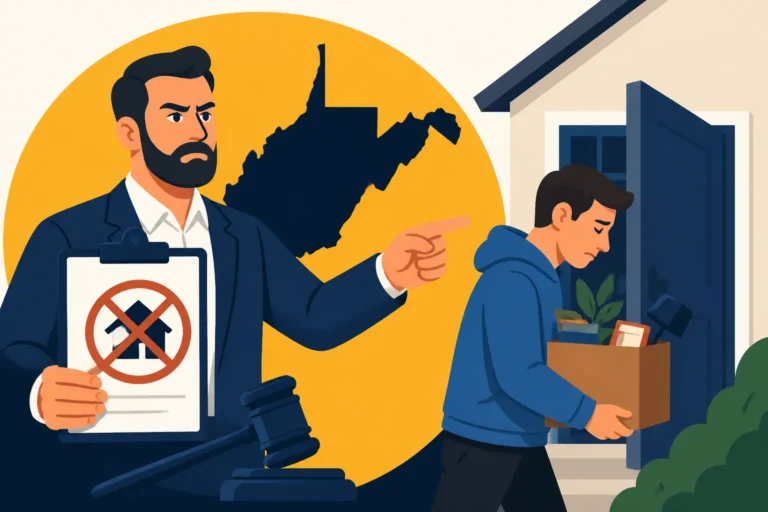
West Virginia eviction laws require valid grounds, proper written notice periods, and formal magistrate court filings to legally remove tenants.

Washington State eviction laws require just cause, specific notice periods, and unlawful detainer lawsuits for proper tenant removal.

Virginia eviction laws require landlords to serve proper notice, file an unlawful detainer complaint, and obtain a writ of possession.

Vermont eviction laws outline specific legal steps, notice periods, and valid reasons required for landlords to reclaim their rental properties.
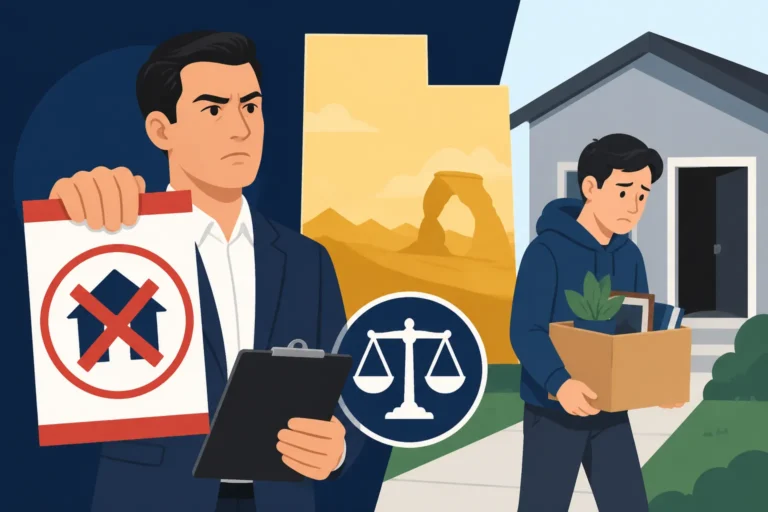
Utah landlord tenant laws explain legitimate grounds for eviction, proper notice requirements, and the court process for removing occupants.

Texas property laws require landlords to deliver a notice to vacate, file a formal lawsuit, and obtain a writ of possession.

Tennessee eviction laws require landlords to provide proper notice, file a detainer warrant, and obtain a court judgment for possession.

South Dakota eviction procedures require landlords to provide a notice to quit, file an unlawful detainer lawsuit, and obtain a court order.