Can My Landlord Charge Me for Cleaning if I Cleaned?
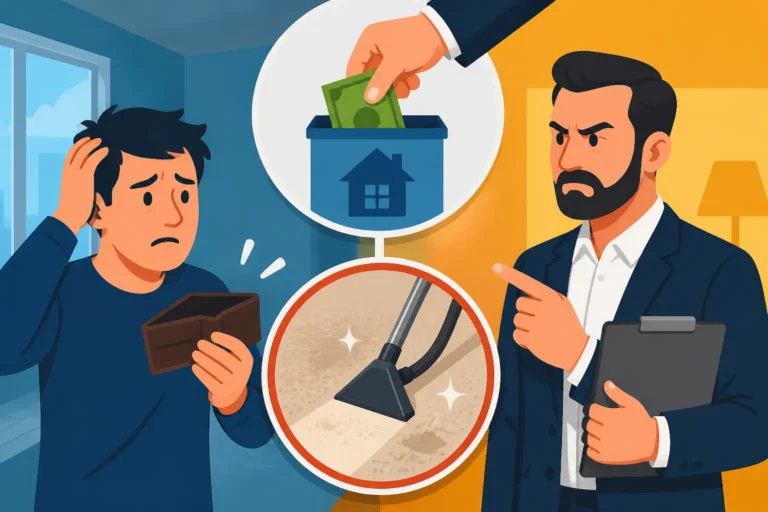
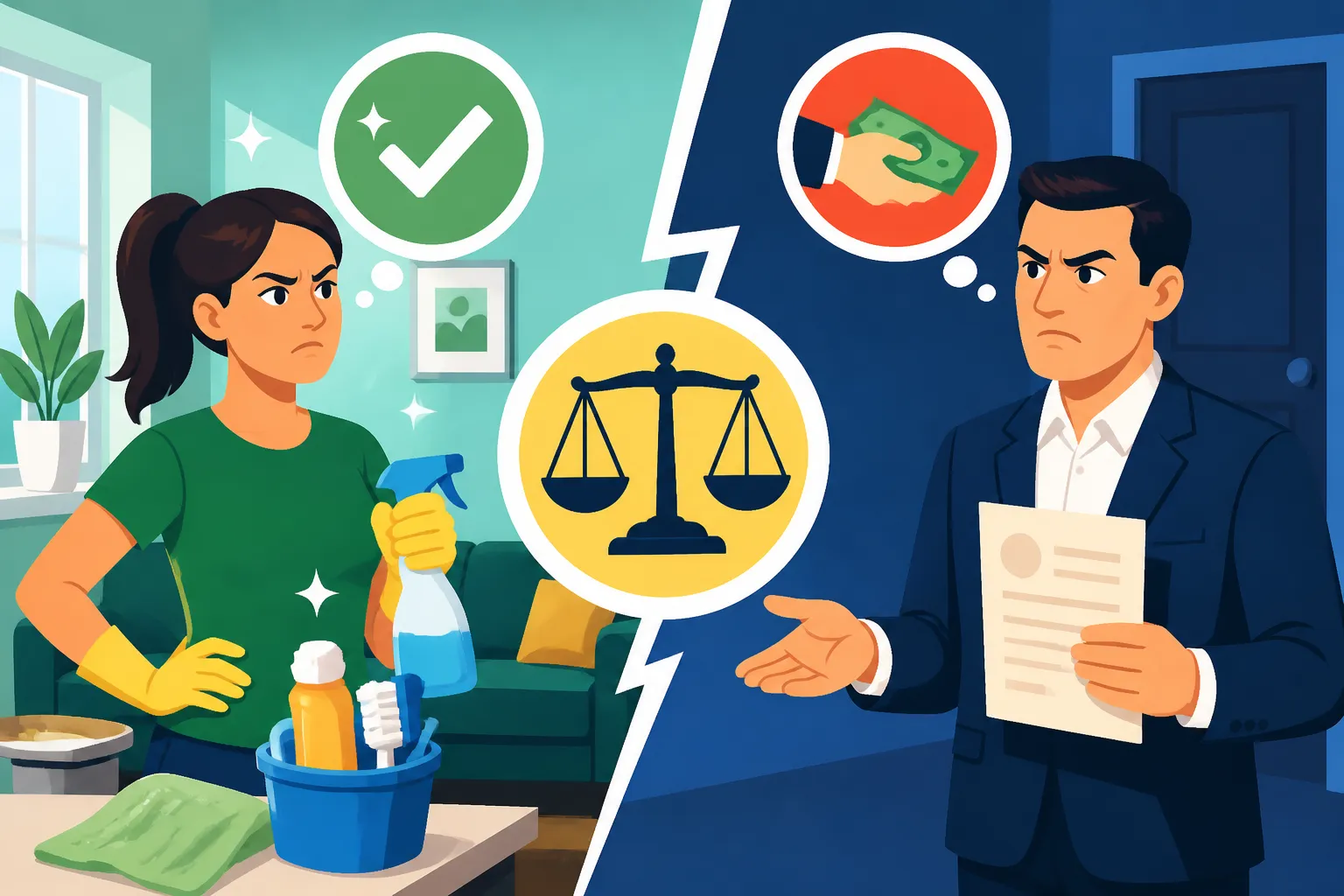
It's an incredibly frustrating experience: you've spent hours, maybe even days, scrubbing every nook and cranny of your rental unit, only to receive a security deposit deduction for "cleaning fees." You feel ripped off, wondering if your landlord can truly charge you for cleaning even after you've done your part. This comprehensive guide will walk you through the nuances of landlord-tenant laws regarding cleaning charges, help you understand your rights and responsibilities, and provide actionable steps to protect your security deposit.
The Core Question: Can Your Landlord Charge for Cleaning Even After You Scrubbed?
This is perhaps the most common point of contention between tenants and landlords when it comes to security deposit deductions. You might think you've left the place spotless, only for your landlord to claim it wasn't up to their standards. The short answer is: it depends, heavily, on your lease, the property's condition, and local laws.
"Broom Clean" Versus Professional Standards
Many leases will stipulate that a tenant must leave the unit "broom clean" or in "substantially the same condition" as it was received, minus normal wear and tear. But what exactly does "broom clean" mean? It's not a universally defined term, which opens the door for disagreements. Generally, "broom clean" implies that the property is free of trash, debris, and significant dirt. Think of it as ready for the next tenant to move in without needing a deep scrub. This usually means:
- Swept or vacuumed floors.
- Wiped-down counters and surfaces.
- Cleaned sinks and toilets.
- No personal belongings left behind.
However, some landlords, especially those managing larger apartment complexes or high-end rentals, might interpret "clean" to mean "professionally cleaned." If your lease explicitly states that you must have the unit professionally cleaned at move-out, and you signed that agreement, then your landlord might have a legitimate reason to deduct for professional cleaning if you didn't provide proof of such service. But if the lease is vague or only mentions "broom clean," demanding professional cleaning might be an overreach. It's vital to remember that unless a cleaning clause is explicit and legal within your state, a landlord cannot simply invent a "professional cleaning" standard out of thin air. You can learn more about specific allowances in our guide on what a landlord can deduct from a security deposit.
Understanding Normal Wear and Tear Versus Damage
Another critical aspect is distinguishing between normal wear and tear and actual damage. Landlords are not allowed to deduct from your security deposit for normal wear and tear. This includes things like:
- Fading paint from sunlight.
- Minor scuffs on walls.
- Slightly worn carpet in high-traffic areas.
- Small nail holes from hanging pictures.
- Grout discoloration over time.
These are natural deteriorations that happen simply through ordinary living. Damage, on the other hand, is caused by abuse, neglect, or accidents by the tenant, their guests, or pets. This could be:
- Large holes in walls.
- Deep scratches or gouges in flooring.
- Burn marks on countertops or carpets.
- Broken windows.
- Excessive dirt or grime that indicates a lack of routine cleaning, leading to permanent stains or deterioration.
If your "cleaning" didn't address damage, or if the "dirt" was so extreme it caused damage (e.g., persistent mold from lack of ventilation and cleaning), then a landlord could potentially charge for remediation, which might include heavy-duty cleaning. For a deeper dive into this distinction, check out our complete guide on normal wear and tear vs damage.
The Lease Agreement: Your First Line of Defense (or Offense)
Your lease agreement is the foundation of your tenancy. It outlines the responsibilities of both you and your landlord, including expectations around the condition of the property at move-out. Ignoring or not fully understanding these clauses can cost you your security deposit.
Decoding Cleaning Clauses in Your Lease
Before you even pick up a sponge, grab your lease agreement and read it carefully. Look for any specific language related to cleaning at move-out. Does it require:
- A "broom-clean" condition?
- That you leave the property in the "same condition" as you received it, excluding normal wear and tear?
- Professional carpet cleaning?
- A specific cleaning service?
- That you pay a non-refundable cleaning fee upfront (which, by the way, might not be legal in your state as part of a security deposit)?
If your lease explicitly states, for example, that professional carpet cleaning is required, and you agreed to it by signing, then the landlord can likely deduct the cost if you don't comply. However, if the lease is silent on professional cleaning or simply mentions a general "clean" condition, then your own thorough cleaning efforts should suffice. Be wary of generic clauses that just say "tenant must professionally clean at move-out" without any prior explanation or a corresponding condition report. Some states, like California, have specific laws regarding how and when landlords can charge for carpet cleaning. A platform like LawDepot can provide state-specific lease templates, which often align with local laws, giving you a better idea of what standard clauses look like.
The Importance of a Move-In / Move-Out Inspection
This cannot be stressed enough: a detailed move-in and move-out inspection is your absolute best friend. During your initial move-in, your landlord should provide a Move-In / Move-Out Inspection Guide or checklist detailing the condition of every room, appliance, and fixture. You should meticulously go through this checklist, noting every pre-existing scuff, scratch, stain, or dusty corner. Don't be shy!
When you move out, you and your landlord should ideally conduct a joint inspection. This is your chance to show them the clean condition of the unit and compare it against the move-in checklist. If they point to a dirty spot you know was there, or a stain you diligently removed, you have immediate evidence. Some landlords use digital tools from platforms like TurboTenant to manage these inspections and documentation, which can be helpful if used fairly. If your landlord refuses a joint inspection or doesn't provide a move-in checklist, this can significantly strengthen your case if you later need to dispute deductions. Remember, if there was no record of the initial condition, it becomes very hard for a landlord to prove you caused the damage or excessive dirt. This is covered more thoroughly in our article on what to do if a landlord never did a move-in inspection.
Document, Document, Document: Proving Your Cleanliness
When it comes down to a dispute over cleaning charges, it's often your word against your landlord's. That's why concrete evidence is crucial. Without proper documentation, it becomes incredibly difficult to prove you left the place spotless.
Photographic and Video Evidence
Before you hand over those keys, make sure your phone or camera is fully charged and ready. Take a comprehensive set of photos and videos of the entire rental unit. This means:
- Date and Timestamp Everything: Most smartphones automatically do this. If not, consider using an app that adds a visible date/time stamp to your images and videos.
- Shoot Wide, Then Zoom In: Start with wide shots of each room to show the overall cleanliness, then get close-ups of specific areas prone to dispute, such as:
- Ovens (inside and out)
- Refrigerators (inside and out, including freezer)
- Bathrooms (toilet bowl, shower/tub, sink, mirrors, floors)
- Kitchen countertops, cabinets (inside and out), and backsplash.
- Flooring (carpets, hardwood, tile).
- Walls, especially around light switches and high-traffic areas.
- Windows (frames, sills, glass).
- Show Appliances Working: If applicable, briefly show appliances like the dishwasher running or the oven light on, demonstrating their working condition and cleanliness.
- Capture "Before" and "After" if Possible: If you have photos from your move-in inspection, use those as a benchmark. Take identical shots at move-out to show the improved or maintained condition.
This visual evidence is invaluable. It’s a tangible record of the apartment's condition when you left, making it much harder for a landlord to falsely claim excessive dirt. Our guide on how to document your apartment at move-in offers more tips for this critical step.
Communication Records and Witnesses
Beyond visual proof, written communication is equally important. Any time you discuss cleaning expectations or issues with your landlord, do it in writing. This means:
- Email is King: Send emails detailing your cleaning efforts, asking for clarification on expectations, or proposing a joint walk-through. Keep copies of everything.
- Text Messages: If you communicate via text, save those messages. They can also serve as evidence.
- Certified Mail: For formal notices or demand letters regarding your security deposit, always use certified mail with a return receipt requested. This proves the landlord received the communication.
- Witnesses: If possible, have a trusted friend or family member walk through the apartment with you after you've cleaned and before you officially move out. They can attest to the condition of the property if needed. Ideally, this would be during the joint inspection with the landlord.
This paper trail, combined with your visual documentation, forms a powerful defense against unwarranted cleaning deductions.
When Is a Cleaning Deduction Legal?
The legality of a cleaning deduction hinges on a few key factors: what your lease says, what state and local laws allow, and whether the cleaning goes beyond addressing normal wear and tear.
State-Specific Rules and Regulations
Landlord-tenant laws vary significantly by state, and even by city. Some states have very clear guidelines on what can and cannot be deducted from a security deposit, including specific rules about cleaning fees. For example:
- California: Generally, a landlord can only deduct for cleaning necessary to return the unit to the same level of cleanliness it was in at the beginning of the tenancy. They cannot charge for normal wear and tear, nor can they typically require professional cleaning unless the tenant agreed to it and it's reasonable.
- New York: Landlords must return the unit in "broom clean" condition. Deductions for cleaning must be for specific instances where the tenant left the property dirtier than when they moved in, beyond normal use.
- Texas: Landlords can deduct for reasonable cleaning costs necessary to restore the premises to the condition it was in at the commencement of the lease, minus normal wear and tear. The lease agreement plays a significant role here.
It’s crucial to look up the Security Deposit Laws by State (2026) for your specific location. These laws often dictate not only what can be deducted but also how long a landlord has to return your deposit and if an itemized statement is required. If your landlord misses the deadline, you may have recourse, which is detailed in our article on what to do if a landlord misses the deposit deadline.
What Legally Constitutes "Excessive Dirt" or Neglect
A landlord generally has the right to restore the property to the condition it was in when you moved in, minus normal wear and tear. If your cleaning efforts were genuinely inadequate, and the unit was left in a state of "excessive dirt" or neglect that goes beyond what a reasonable person would consider "broom clean," then a deduction might be justifiable.
Think about it this way:
- Justifiable Deduction: You left grease caked on the oven, mold in the shower from lack of cleaning, or heavy stains on the carpet that require professional intervention because you never vacuumed or cleaned spills. These indicate neglect.
- Unjustifiable Deduction: You meticulously cleaned the oven, but the landlord still charges for a "deep clean" despite it being in excellent condition. Or they charge for scuff marks on the wall that are clearly normal wear and tear.
The key is often the degree of dirtiness and whether it necessitates more than routine cleaning to prepare for the next tenant. If a simple wipe-down would fix it, and you did that, the charge is likely unfair. If it requires specialized tools, chemicals, or significant labor beyond a typical clean, it might be reasonable.
Here's a quick reference table to help clarify:
| Scenario | Tenant Responsibility | Landlord Responsibility | Legality of Deduction |
|---|---|---|---|
| Broom Clean | Yes | Not responsible for tenant's dirt | Legal if not met |
| Normal Wear & Tear | No | Responsible for repairs | Illegal to deduct |
| Excessive Dirt/Grime | Yes | Only if pre-existing | Legal for costs to restore condition beyond "broom clean" |
| Damage (Tenant Caused) | Yes | Not responsible | Legal for repair costs |
| Professional Cleaning (Lease Required) | Yes | Not responsible | Legal if not performed as agreed |
Steps to Take When You Disagree with a Cleaning Charge
Receiving an itemized statement with unfair cleaning deductions can feel like a punch to the gut. But don't despair! You have rights and options to dispute these charges.
Reviewing the Itemized Deduction Statement
First things first, examine the Itemized Security Deposit Deduction Statement Explained carefully. Your landlord is usually required to provide this statement within a specific timeframe (often 14-30 days, depending on your state) detailing exactly what they deducted and why. Look for:
- Specificity: Is the deduction for "general cleaning" or "professional oven cleaning, $75"? The more vague, the more suspicious.
- Receipts/Estimates: Does the landlord include actual receipts for the cleaning services rendered, or at least reasonable estimates? If they did the work themselves, they should still provide a reasonable breakdown of hours and materials.
- Comparison to Your Records: Cross-reference each deduction with your move-in checklist, photos, and videos. Does their claim match your evidence? For instance, if they charge for cleaning a bathroom mirror but your move-out photos show it sparkling, you have a strong case.
- Legal Limits: Are the charges within what's allowed by state law? For example, some states have limits on how much a landlord can charge for cleaning.
If the statement is vague, incomplete, or doesn't provide sufficient proof, that's a red flag.
Writing a Strong Demand Letter
If you believe the cleaning deduction is unfair, the next step is to write a formal Security Deposit Demand Letter (How-To + Template). This isn't just a polite request; it's a legal document that formally disputes the charges and demands the return of your full (or partial) security deposit. Your letter should include:
- Your Contact Information and Property Address: Clear identification.
- Date: The date the letter is sent.
- Landlord's Contact Information: Ensure it reaches the right person.
- Reference to Your Lease: State the lease dates and your tenancy.
- Original Security Deposit Amount: Clearly state how much you paid.
- Date of Vacancy and Deposit Return Deadline: Remind them of the legal deadline for returning the deposit in your state.
- Details of the Disputed Deductions: Go through each item you dispute, explaining why you dispute it. Reference your evidence (e.g., "As shown in photo IMG_1234, taken on [date], the oven was thoroughly cleaned and free of grease.").
- Enclosed Evidence: State that you are enclosing copies of your evidence (photos, videos, move-in checklist). Do not send originals.
- Demand for Return: Clearly state the amount you demand to be returned.
- Warning of Legal Action: Politely but firmly state that if the demanded amount is not returned by a specific date (e.g., 7-10 business days), you will pursue legal action in small claims court.
- Your Signature: Sign and date the letter.
Send this letter via certified mail with a return receipt requested. This ensures you have proof that your landlord received it. LawDepot can be a useful resource for finding templates for such formal letters, ensuring all the necessary legal language is included.
Exploring Mediation or Small Claims Court
If your demand letter doesn't yield results, you might need to consider further action.
- Mediation: In some areas, free or low-cost mediation services are available. A neutral third party helps you and your landlord reach a mutually agreeable solution. This can be less stressful and quicker than court. It’s definitely worth exploring if available in your jurisdiction.
- Small Claims Court: This is often the final step. Small claims court is designed for individuals to resolve disputes without needing expensive attorneys. You'll present your evidence (lease, photos, videos, demand letter, itemized statement) to a judge, who will then make a ruling. Many states also allow for penalties if a landlord has wrongfully withheld a security deposit, sometimes even allowing for double or treble damages. This is discussed further in our article on suing a landlord for your deposit. Filing in small claims court demonstrates that you're serious about recovering your money, and many landlords will opt to settle rather than go through the process. Before you consider this step, make sure you understand how to dispute security deposit deductions effectively.
Navigating these situations can be tough, but by understanding your rights, meticulously documenting your actions, and knowing how to communicate effectively, you stand a much better chance of recovering your security deposit.
Disclaimer
Please remember that this article provides general information and is not a substitute for legal advice. Landlord-tenant laws vary by jurisdiction and can change. Always consult with a qualified attorney or local housing authority for advice specific to your situation.