Does My Landlord Have to Give Notice Before Entering?
Tenant privacy rights and state notice requirements explain when landlords can legally enter a rental property without permission.

Tenant privacy rights and state notice requirements explain when landlords can legally enter a rental property without permission.
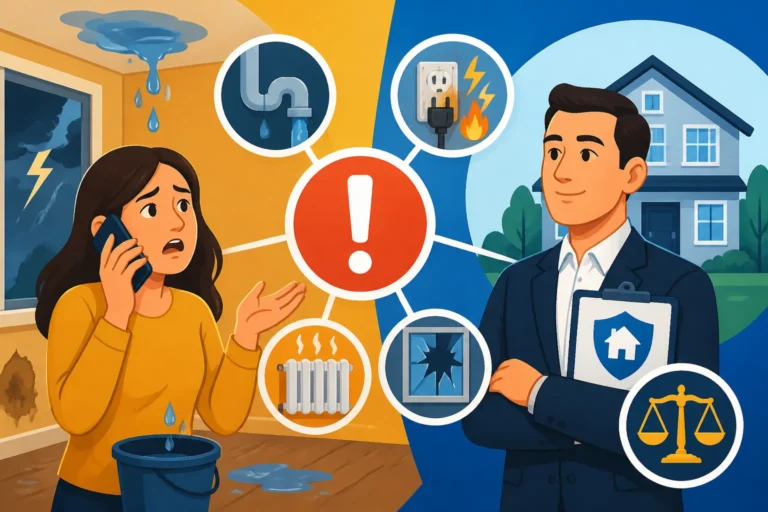
Rental emergency repair criteria include severe health risks, electrical hazards, gas leaks, and complete loss of heat, plumbing, or structural integrity.
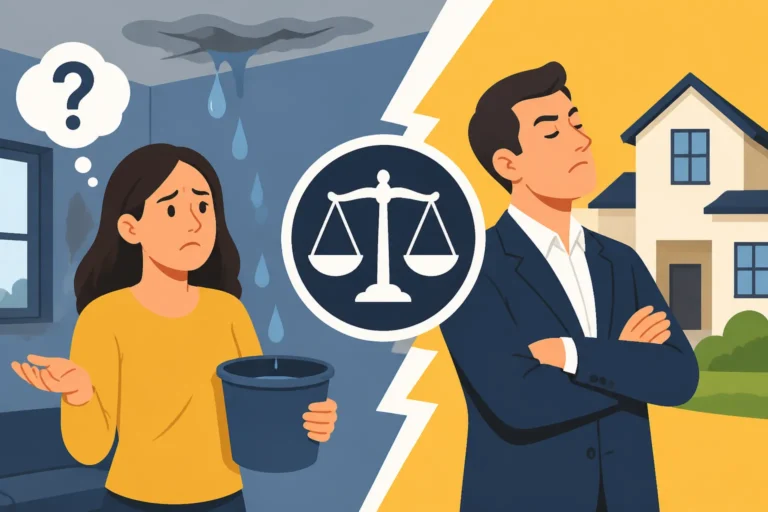
Tenant rights and landlord responsibilities determine whether renters can sue for unaddressed maintenance issues and secure financial compensation.

Determining landlord and tenant responsibility for clogged drains depends on the cause, habitability laws, and lease agreements.
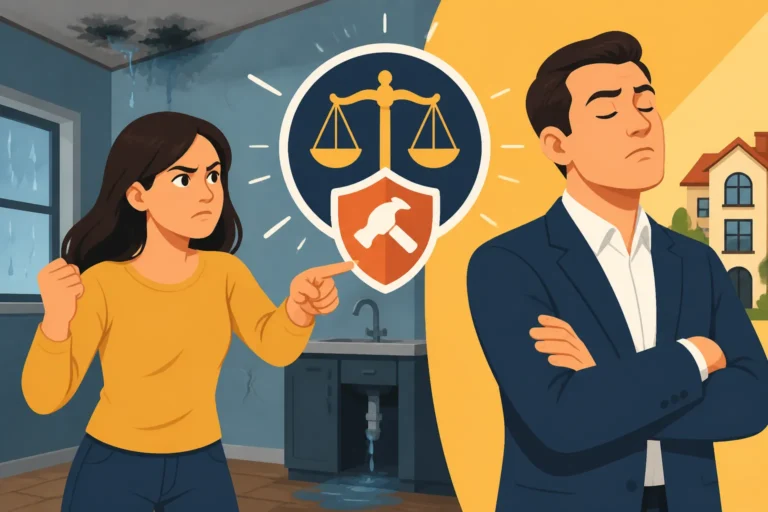
Tenant rights regarding repairs, the implied warranty of habitability, written requests, documentation strategies, and legal options like withholding rent.

Tenant law allows renters to pay for necessary habitability repairs and deduct those costs from monthly rent payments under strict legal conditions.
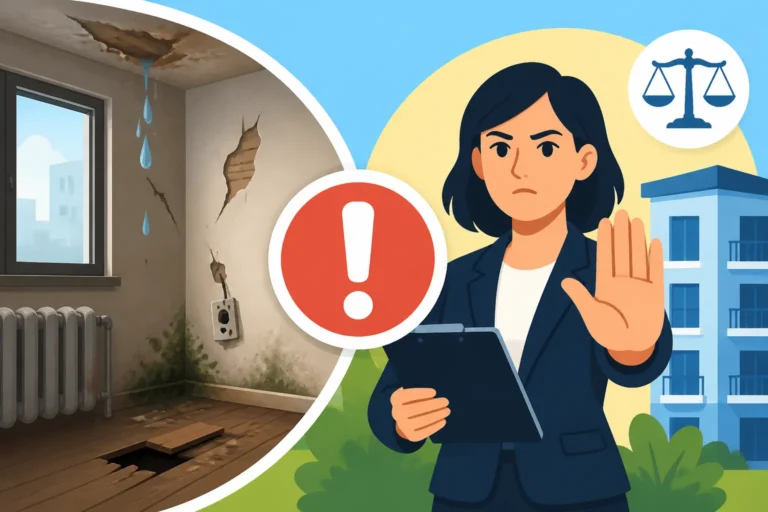
Landlord-tenant law requires rental properties to provide basic utilities, structural integrity, and safety features for safe human habitation.
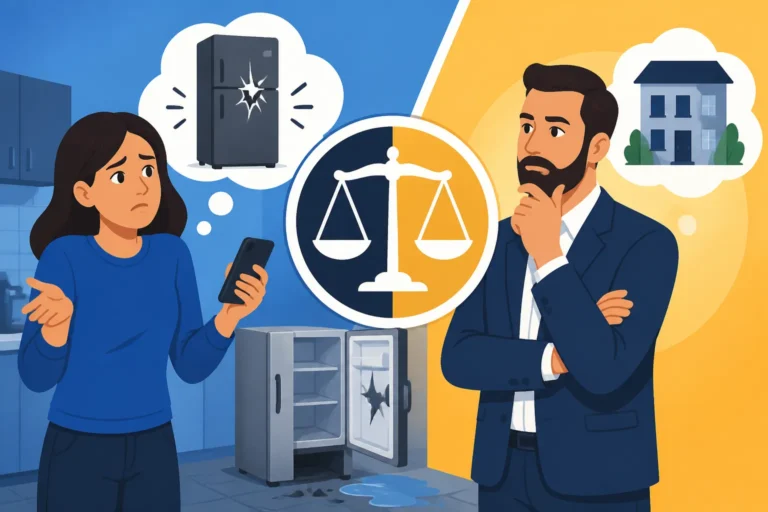
Landlord responsibilities for broken rental appliances depend on implied warranty of habitability laws and the specific terms within the lease agreement.
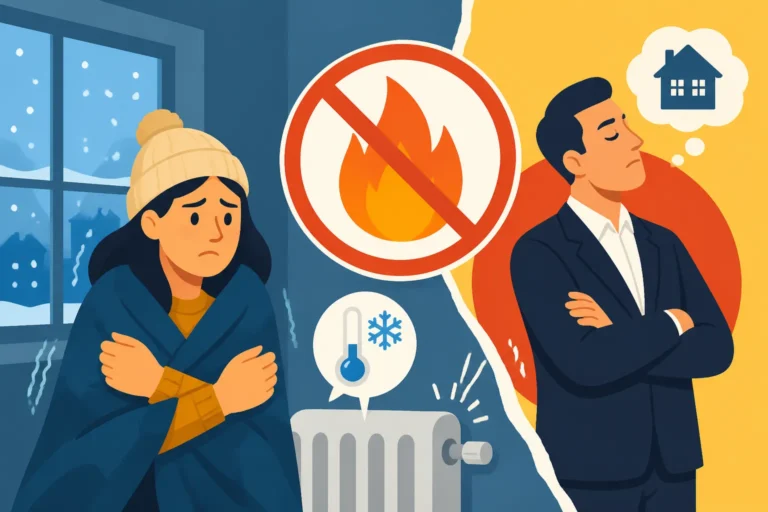
State laws and local regulations outline how long landlords can leave tenants without heat and detail emergency repair timelines.
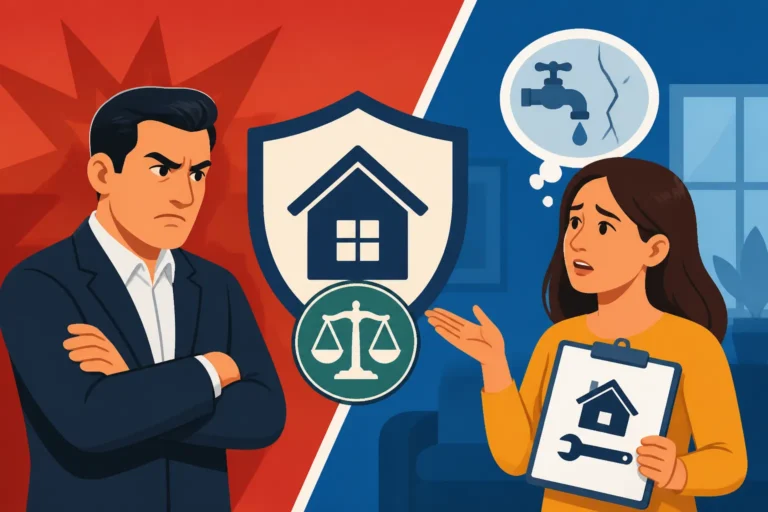
Landlord retaliation explains legal rights, common punitive actions like eviction, and methods for tenants to document and fight unfair treatment.