How to Break a Lease in Wisconsin
Finding yourself needing to break a lease in Wisconsin can feel like a daunting task, filled with uncertainty about legal repercussions and financial penalties. Many renters assume they're simply stuck until the lease term ends, or that they'll face astronomical fees no matter what. This comprehensive guide is here to demystify the process, outlining your rights and responsibilities under Wisconsin landlord-tenant law and providing actionable steps to help you navigate breaking your lease as smoothly as possible.
Understanding Your Lease Agreement in Wisconsin
Before you even think about packing boxes, the very first step when considering breaking a lease in Wisconsin is to thoroughly review your current rental agreement. This document is the cornerstone of your tenancy, outlining the rules, expectations, and any specific clauses related to early termination.
The Importance of a Written Lease
While Wisconsin law does recognize verbal rental agreements, having a written lease is incredibly important for both landlords and tenants. A written lease provides clear, documented terms regarding rent amount, payment due dates, lease duration, maintenance responsibilities, and, crucially, the conditions under which the lease can be ended early. Without this clarity, disputes can quickly devolve into a "he said, she said" scenario, making it incredibly difficult to assert your rights or understand your obligations. Imagine trying to prove you didn't agree to a specific early termination fee if it's not in writing – nearly impossible!
Many tenants in Wisconsin sign standard lease agreements, often sourced from legal platforms or property management software. These documents, like those you might find on LawDepot, often include boilerplate language that may or may not fully align with all nuances of Wisconsin state law, especially concerning specific local ordinances in cities like Milwaukee or Madison. It's always a good idea to understand what you signed.
Types of Leases in Wisconsin Fixed-Term vs Month-to-Month
In Wisconsin, you'll typically encounter two main types of lease agreements: fixed-term leases and month-to-month leases. Each has different implications for breaking a lease.
A fixed-term lease, as its name suggests, is for a specific, predetermined period, such as six months or a year. During this term, both you and your landlord are generally bound by the agreement. You're obligated to pay rent for the entire term, and the landlord cannot generally raise the rent or terminate the tenancy without cause. Breaking a fixed-term lease without a legal justification or the landlord's agreement means you could be on the hook for the remaining rent, among other potential penalties. Understanding the distinction between these types of agreements is critical when considering how to break a lease without incurring undue costs, and you can learn more about Fixed-Term vs Month-to-Month Leases.
On the other hand, a month-to-month lease offers much more flexibility. This type of agreement renews automatically each month until either the tenant or the landlord gives proper notice to terminate. In Wisconsin, for a month-to-month tenancy, either party typically needs to provide a written 28-day notice before the next rent due date to end the agreement. If you have a month-to-month arrangement, breaking the lease is usually as simple as providing this notice, making it a much less complicated process than ending a fixed-term lease early.
Early Termination Clauses and Penalties
Some fixed-term leases in Wisconsin will include a specific "early termination clause." This clause outlines the exact procedure and penalties for breaking the lease before its scheduled end date. It might specify a flat fee, often equivalent to one or two months' rent, or it might require you to forfeit your security deposit.
If your lease has such a clause, it's generally the most straightforward path to breaking your lease, as long as you adhere to its terms. For instance, a lease might state that you can terminate early with 60 days' notice and payment of a fee equal to two months' rent. While this might seem like a lot, it provides a clear financial cap and avoids the uncertainty of potentially owing rent for many months if the landlord struggles to re-rent the property. Always check if this clause exists and understand its full implications before proceeding. Unfortunately, not all leases include this helpful provision, which can make things a bit trickier. You can also explore Early Lease Termination Clause Explained for a broader understanding.
Legally Justified Reasons to Break a Lease in Wisconsin
While a fixed-term lease generally binds you for its duration, Wisconsin law recognizes specific circumstances under which a tenant can legally break a lease without facing the typical penalties. These are not just "good excuses"; they are situations where the law provides you protection.
Active Military Duty SCRA
One of the most clear-cut legal justifications for breaking a lease nationwide, including in Wisconsin, is active military duty under the Servicemembers Civil Relief Act (SCRA). If you are a servicemember who receives permanent change of station (PCS) orders or orders to deploy for at least 90 days, you have the right to terminate your lease early.
To exercise this right, you must provide your landlord with written notice of your intent to terminate, along with a copy of your military orders. The termination typically becomes effective 30 days after the next rent payment is due, following the date your notice is delivered. For example, if your rent is due on the 1st, and you give notice on May 15th, your lease would terminate on June 30th. This protection is a federal law and supersedes any conflicting clauses in your lease. It's a vital safeguard for those serving our country, and you can find a more detailed guide on Military (SCRA) Lease Termination Step-by-Step.
Landlord Harassment or Privacy Violations
Wisconsin tenants have a right to quiet enjoyment of their rental property, which includes a reasonable expectation of privacy. If your landlord repeatedly violates your privacy or engages in harassment, this can be grounds to legally break your lease.
In Wisconsin, landlords generally must provide at least 24 hours' notice before entering your unit for non-emergency reasons. While there isn't a strict "how many times" rule, a pattern of unauthorized entries, showing up unannounced, or using entry rights to harass you (e.g., entering daily, constantly inspecting without a valid reason) can constitute a violation. Documenting these incidents—dates, times, descriptions, and any communication with your landlord—is crucial. Sending written notices to your landlord about these violations, requesting they cease, strengthens your case. If the harassment continues despite your attempts to resolve it, it might be considered a constructive eviction, giving you grounds to move out.
Uninhabitable Living Conditions
Landlords in Wisconsin are required to provide and maintain a rental unit that is safe and habitable. This is often referred to as the "implied warranty of habitability." If your landlord fails to make necessary repairs that affect your health or safety, and these conditions make the unit unlivable, you may have grounds to break your lease.
Examples of uninhabitable conditions include serious issues like lack of heat or hot water during cold months, extensive mold growth, structural hazards, rodent or insect infestations that the landlord fails to address, or unsafe electrical wiring. It's not enough for the condition to be annoying; it must be severe enough to impact your health, safety, or reasonable enjoyment of the property. Before breaking your lease, you generally must notify your landlord in writing of the issue and give them a reasonable amount of time to fix it. If they fail to do so, and the condition persists, you might be able to terminate your lease. For a deeper dive into this, check out Breaking a Lease Due to Mold or Uninhabitable Conditions.
Domestic Violence or Sexual Assault
Wisconsin law provides specific protections for tenants who are victims of domestic violence, sexual assault, or stalking. If you or a member of your household is a victim of such circumstances, you can legally break your lease to ensure your safety.
To do so, you must provide your landlord with written notice of termination and include documentation such as a copy of a temporary restraining order, a criminal complaint, or a statement from a qualified third party (like a social worker or medical professional) verifying the situation. The lease termination typically takes effect on the first day of the second month after the month you provided notice. This provides a crucial lifeline for individuals needing to escape dangerous living situations quickly and safely. Specific state laws on this matter can vary, so it's good to understand Domestic Violence Lease Termination by State.
Strategies for Breaking a Lease Without Legal Justification
If your reason for breaking a lease in Wisconsin doesn't fall under one of the legally protected categories, don't despair! There are still proactive steps you can take to minimize financial damage and work with your landlord.
Negotiating with Your Landlord
Communication is key, even if you're in a tough spot. The first and often best step is to have an open and honest conversation with your landlord. Explain your situation—whether it's a new job, a family emergency, or simply needing to move closer to aging parents. Landlords are human, and sometimes a direct, respectful conversation can lead to a mutually agreeable solution.
You could propose a lump-sum payment to cover their costs, offer to forfeit your security deposit in lieu of other fees, or ask if they would be willing to mutually terminate the lease for a fee. Some landlords, especially those managing multiple properties through services like TurboTenant, might prefer to have a good relationship and resolve issues without legal battles, which can be costly and time-consuming for everyone involved. They might be more flexible than you think, particularly if they see you're acting in good faith. Always get any agreement in writing to avoid future misunderstandings.
Finding a Replacement Tenant Subletting or Assignment
Wisconsin law allows tenants to sublet their rental unit or assign their lease, unless the lease specifically prohibits it. Even if your lease prohibits it, your landlord generally cannot unreasonably withhold consent to an assignment or sublease. This means you might be able to find a new tenant to take over your responsibilities.
- Subletting: In a sublease, you (the original tenant) become the sub-landlord, and the new tenant (the sublessee) pays rent to you. You remain primarily responsible to your original landlord for the rent and any damages. This arrangement can be a bit complex as it creates a hierarchical landlord-tenant relationship.
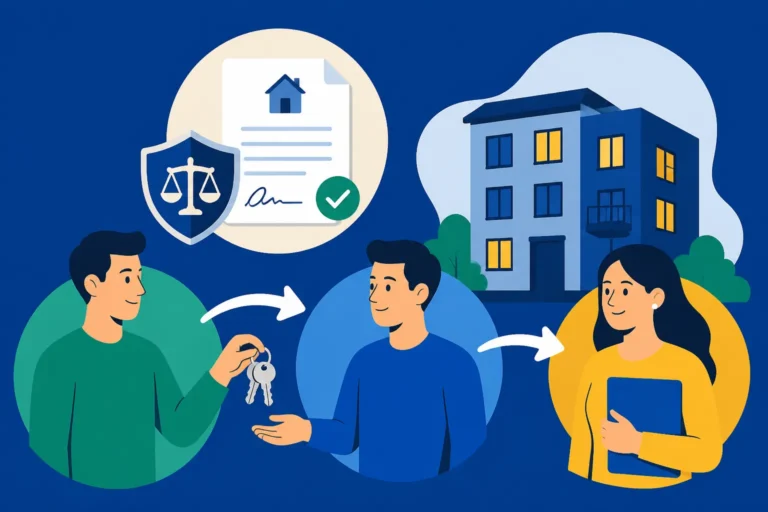
- Assignment: In an assignment, you transfer your entire lease agreement and all its responsibilities to a new tenant (the assignee). Once the assignment is complete and approved by the landlord, you are generally released from future obligations under the lease. This is often the preferred route for tenants wanting to completely sever ties with the property.
You'll need to find a qualified tenant, often subject to the same screening criteria your landlord uses. You might use online platforms or local classifieds to advertise the vacancy. Once you have a potential candidate, you'll present them to your landlord for approval. Keep a record of all your efforts to find a suitable replacement. For a clear breakdown of these options, refer to Subletting vs Assignment: Differences.
Understanding Your Landlord's Duty to Mitigate Damages
This is a critical concept in Wisconsin landlord-tenant law. If you break your lease, your landlord generally has a "duty to mitigate damages." This means they cannot just sit back and let the rent accumulate; they have a legal obligation to make reasonable efforts to re-rent the property as quickly as possible.
They must treat your vacated unit like any other vacant unit they have, advertising it, showing it to prospective tenants, and accepting a suitable replacement. They cannot, for example, intentionally leave it vacant to charge you for the entire remaining lease term. If your landlord finds a new tenant, your financial responsibility ends when that new tenant moves in and starts paying rent. You would only be responsible for the period the unit was vacant and for any reasonable costs the landlord incurred in re-renting (like advertising fees). Documenting your own efforts to find a replacement tenant can help demonstrate that the landlord had options and may even encourage them to be more proactive. This crucial concept is further elaborated in Landlord Duty to Mitigate Damages Explained.
Potential Consequences of Illegally Breaking a Lease
If you break your lease without a legal justification or an agreement with your landlord, you could face significant repercussions. It's important to understand these potential outcomes to make an informed decision.
Financial Repercussions
The most immediate consequence of illegally breaking a lease is financial. You could be held responsible for the remaining rent due on the lease until the landlord finds a new tenant or until the lease term expires, whichever comes first. This means if you have six months left on a $1,000/month lease, and it takes your landlord two months to re-rent the property, you could owe $2,000 (two months' rent) plus any reasonable re-renting costs.
Beyond rent, landlords can also deduct other costs from your security deposit or pursue you for them. These can include:
- Lost rent during the vacancy period.
- Advertising costs to find a new tenant.
- Costs for cleaning or repairs beyond normal wear and tear if you left the unit in poor condition.
- Early termination fees if specified in your lease (though these might be limited by how much the landlord actually lost due to the vacancy).
It's common for tenants to wonder, How Much Does It Cost to Break a Lease?. The answer largely depends on how quickly the landlord can mitigate their damages. If a landlord is not actively trying to re-rent the property, their claim for lost rent could be significantly reduced by a court.
Impact on Your Rental History and Credit Score
Breaking a lease, especially if it results in unpaid rent or fees, can have a lasting negative impact on your rental history. Most landlords conduct background checks, which often include an eviction check and a review of past rental tenancy. If a previous landlord reports you for breaking a lease or for owing money, it can make it extremely difficult to find a new apartment in the future. Many property management companies will automatically reject applicants with a history of lease violations or unpaid debts to landlords.
Furthermore, if your landlord sues you for unpaid rent and wins a judgment against you, or if they send the debt to a collection agency, it will negatively affect your credit score. A damaged credit score can impact your ability to secure future loans, credit cards, and even affect employment opportunities. Understanding Breaking a Lease and Your Credit Score is essential for making responsible decisions. Even if you're leaving Wisconsin, this record follows you.
Overview of Lease Breaking Scenarios in Wisconsin
Here's a quick reference for common lease-breaking situations in Wisconsin and their general outcomes.
| Scenario | Legal Justification? | Tenant Responsibilities | Landlord's Duty to Mitigate? | Potential Consequences for Tenant |
|---|---|---|---|---|
| Active Military Orders (SCRA) | Yes | Provide written notice + orders | N/A (lease terminates) | Minimal (no further rent owed) |
| Uninhabitable Conditions | Yes (if documented & unaddressed) | Written notice to landlord, allow repair time | N/A (lease terminates) | Minimal (no further rent owed) |
| Landlord Harassment/Privacy Violation | Yes (if documented & unaddressed) | Written notice to landlord, document incidents | N/A (lease terminates) | Minimal (no further rent owed) |
| Domestic Violence/Sexual Assault | Yes | Written notice + qualifying documentation | N/A (lease terminates) | Minimal (no further rent owed) |
| Lease with Early Termination Clause | Defined by lease | Follow clause terms (notice, fee payment) | Yes | Pay agreed-upon fee |
| Mutual Agreement with Landlord | Yes | Adhere to agreed-upon terms | Yes | As agreed (e.g., forfeit deposit, pay fee) |
| Breaking Lease without Justification | No | Responsible for rent until re-rented, re-renting costs | Yes | Financial liability, negative rental/credit history |
| Finding a Sublessee/Assignee | Usually, Yes (with landlord approval) | Find qualified tenant, obtain landlord consent | Yes | May still be liable if sublessee defaults (subletting) or pay re-renting costs (assignment) |
Breaking a lease in Wisconsin isn't always a simple, one-size-fits-all process. It requires a thorough understanding of your lease, your rights under Wisconsin law, and proactive communication. Whether you have a legally justified reason or need to negotiate a solution, knowing your options and documenting every step is your best defense against unexpected financial burdens and negative impacts on your rental history. Remember, informed action is always better than simply walking away.
Disclaimer
Please remember that this article provides general information and is not a substitute for legal advice. Landlord-tenant laws in Wisconsin can be complex and may vary based on local ordinances. If you are considering breaking a lease, it is highly recommended to consult with a qualified attorney to discuss your specific situation and understand your legal rights and obligations.