Can You Sublet Without Landlord Permission?
You've found yourself in a tricky spot, haven't you? Maybe you're relocating for a job, heading off for a study abroad program, or just need to save some cash, and the thought of breaking your lease feels like a massive financial burden. Subletting seems like the perfect solution – someone else takes over your rent, and you keep your lease intact. But then the big question hits: can you actually sublet without your landlord's permission? It’s a common dilemma, and the short answer is usually "no," but the long answer, which is what we'll dive into, is far more nuanced and crucial to understand if you want to avoid serious trouble. This guide will walk you through the ins and outs of subletting, what happens if you go rogue, and how to navigate the process legally and responsibly.
Understanding Subletting in Your Lease Agreement
The very first place you need to look when considering subletting is your original lease agreement. This document, which you signed when you first moved in, is the bedrock of your tenancy, and it outlines almost everything you can and cannot do with the property. Many tenants overlook these details, assuming they can just "figure it out," but when it comes to something as significant as bringing in a new occupant, the lease is king.
Express Prohibitions and Clauses
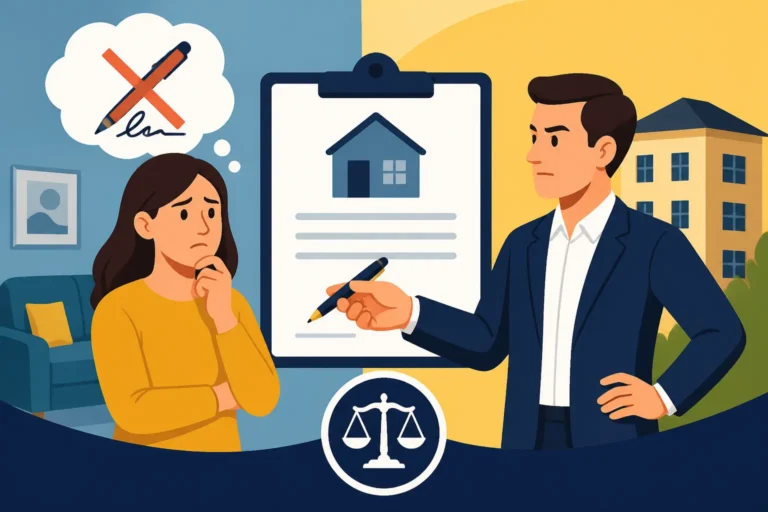
Most standard lease agreements include specific clauses regarding subletting or assigning the lease. Landlords often want to maintain control over who lives on their property, and for good reason – they're responsible for the property, and they need to know who is occupying it, who is paying rent, and who they can hold accountable. Many leases will explicitly state that "subletting is prohibited" or "tenant may not assign or sublet the premises without prior written consent of the landlord." If you see a clause like this in your lease, it's a clear indication that attempting to sublet without permission would be a direct violation of your agreement.
Ignoring such a clause is a huge risk. Imagine signing a contract that says you can't paint the walls purple, then going ahead and painting them purple anyway. You're violating the terms. The same principle applies here, but with much higher stakes than a paint job. Some leases might even go further, specifying penalties for unauthorized subletting, such as immediate termination of the lease, monetary fines, or even the right for the landlord to evict both you and your subtenant. It's not just a suggestion; it's a binding part of your legal agreement.
Silent Leases and Ambiguity
What if your lease agreement doesn't say anything at all about subletting? This is where things get a bit more complex and, frankly, where many tenants get confused. A "silent lease" — one that neither expressly permits nor prohibits subletting — does not automatically grant you the right to sublet. In most jurisdictions across the United States, even if your lease is silent on the matter, you still need your landlord's permission.
The underlying legal principle is that a tenant does not have the inherent right to transfer their property interest to another party without the consent of the property owner. Think of it this way: you have a contract with your landlord, and that contract is specifically with you. Introducing a new tenant changes the terms of that relationship significantly, and the landlord has a right to approve or deny that change. While a silent lease might feel like a loophole, it's typically not. It merely means the landlord hasn't bothered to put an explicit prohibition in writing, but their consent is still legally required. Relying on a silent lease to sublet without permission is a gamble that rarely pays off in the tenant's favor.
The Importance of Written Consent
Let's say your landlord verbally tells you it's okay to sublet. That sounds great, right? Wrong. In the world of landlord-tenant law, if it's not in writing, it often doesn't exist, especially when it comes to significant contractual changes like subletting. Verbal agreements, while sometimes legally binding, are incredibly difficult to prove in court. Memories fade, interpretations differ, and a judge will almost always lean on the written lease agreement.
Always, and I mean always, get your landlord's permission to sublet in writing. This means an amendment to your original lease, a separate written agreement, or at the very least, an email or letter explicitly stating their consent and any conditions attached to it. This written consent should ideally include the names of the subtenants, the duration of the sublease, and any responsibilities remaining with you, the original tenant. This protects both you and your landlord, ensuring everyone is on the same page and minimizing potential disputes down the line. Without written consent, you could find yourself in a situation where your landlord denies ever giving permission, leaving you in a very vulnerable position.
Legal Ramifications of Unauthorized Subletting
The allure of quick cash or avoiding a lease termination fee can make unauthorized subletting seem appealing. However, the legal consequences can be severe and long-lasting, far outweighing any short-term benefits. It's vital to understand what you're risking if you decide to go this route.
Breach of Lease and Potential Eviction
Subletting without explicit landlord permission, especially when your lease prohibits it, is a clear breach of your lease agreement. This is serious business. A breach of lease can trigger a cascade of negative actions from your landlord. The most immediate and common response is often an eviction notice. Your landlord can initiate eviction proceedings against you and your subtenant. This typically starts with a "notice to cure or quit," giving you a certain number of days (which varies by state, but often 3-7 days) to remedy the violation (i.e., remove the subtenant) or face eviction.
If you fail to comply, the landlord can then file an unlawful detainer lawsuit in court. An eviction on your record can severely impact your ability to rent another property in the future. Future landlords often run comprehensive tenant screenings that include eviction history, and a prior eviction filing, even if you eventually moved out voluntarily, can be a major red flag. For a more detailed look at what can constitute a lease violation, you might want to check out our guide on Lease Violations & What Counts.
Financial Liabilities and Damages
Beyond eviction, you could face significant financial repercussions. When you sublet, you, as the original tenant (the sublandlord), remain primarily responsible for the lease. This means if your subtenant causes damage, fails to pay rent, or violates other terms of the lease, your landlord will come after you for those issues. If your unauthorized subtenant trashes the place, you'll be on the hook for the repairs, which could eat into or exceed your security deposit. What if your subtenant stops paying rent? Your landlord still expects you to pay the full rent, on time, every month. If you don't, you'll accumulate late fees, face potential eviction for non-payment, and damage your credit.
In some states, if you illegally sublet, your landlord might even be entitled to collect additional damages. For instance, if the market rent for your unit is higher than what you're paying, and you're profiting from subletting at a higher rate without permission, some jurisdictions might allow the landlord to claim those profits. It's not just about losing your security deposit; it could involve court costs, attorney fees, and damages that could easily run into thousands of dollars.
Dealing with Unwanted Subtenants
Another often-overlooked pitfall of unauthorized subletting is the difficulty of removing an unwanted subtenant. If you've brought someone into your apartment without your landlord's knowledge or approval, and that person becomes problematic, you, as their direct landlord, are responsible for evicting them. However, since the landlord doesn't recognize them, you might find yourself in a legal grey area.
You would essentially have to go through your own eviction process against your subtenant, which can be just as complicated and time-consuming as a landlord evicting a tenant. You'd need to serve proper notices, possibly go to court, and incur legal fees, all while still being responsible for your primary lease with the actual landlord. This can create a nightmare scenario where you're caught between an uncooperative subtenant and an angry landlord, potentially leading to you being evicted first. Always remember that even when you're the sublandlord, proper tenant screening is critical to protect yourself.
When Permission Might Not Be Needed (Rare Exceptions)
While the general rule is to always get landlord permission for subletting, there are a few very specific and rare situations where permission might not be explicitly required, or where a landlord cannot unreasonably withhold consent. These exceptions are highly location-dependent and usually only apply under specific circumstances.
Specific State or City Laws
Some states and cities have specific tenant protection laws that impact a landlord's ability to refuse subletting. For example, in New York City, tenants in buildings with four or more residential units have a statutory right to sublet their apartments, provided they follow a specific process. The landlord can only deny permission for a "reasonable reason," and they must state that reason in writing. If a landlord unreasonably withholds consent, the tenant may be able to proceed with the sublease or seek relief from the courts.
Similarly, in some other areas, like certain parts of California, landlords might be required to mitigate damages if a tenant breaks a lease by actively trying to re-rent the unit. While this isn't exactly "subletting without permission," it relates to the landlord's duty to work with the tenant to find a replacement, which can sometimes involve finding a subtenant if the original tenant remains liable. These laws are not universal, however, and you absolutely must research your local laws thoroughly before assuming you have such rights. A quick search for "subletting laws [your city/state]" is a good starting point, but consulting with a legal professional is always the safest bet.
Constructive Consent or Waiver
In extremely rare cases, a landlord's actions (or inactions) might be interpreted as "constructive consent" or a "waiver" of their right to deny subletting. This is a very high legal bar to meet. For example, if you inform your landlord in writing about your intention to sublet, provide all necessary subtenant information, and the landlord takes no action to approve or deny the request within a legally specified timeframe, a court might interpret their silence as consent. However, this is largely dependent on local laws and specific circumstances.
Another scenario could be if a landlord explicitly knew you were subletting, perhaps even accepted rent payments directly from your subtenant for an extended period without objection, they might be seen as having waived their right to later claim the sublease was unauthorized. Again, this is not something to rely on. Landlords are usually very careful to avoid such situations, and it would require clear, undeniable evidence of their knowledge and acceptance. It's a legal defense that's difficult to prove and should never be seen as an invitation to intentionally sublet without permission. The best rule of thumb is always to get express, written consent.
How to Legally Sublet Your Rental Unit
The good news is that legally subletting your rental unit is absolutely possible, and often preferred by landlords over a tenant simply abandoning the property. It just requires clear communication, proper documentation, and following the rules.
Communicating with Your Landlord Effectively
The first and most crucial step is open, honest communication with your landlord. Don't hide your intentions or try to sneak in a subtenant. Approach them early, ideally well before you need someone to move in. Send a formal written request, even if you've already discussed it verbally. This request should clearly state:
- Your intention to sublet: Explain why you need to sublet (e.g., temporary relocation, financial hardship).
- Proposed subtenant details: Include their full name, contact information, and any relevant background.
- Proposed sublease terms: State the start and end dates of the sublease, and the rent amount.
- Your continued responsibility: Reiterate that you understand you remain primarily liable for the lease.
Be prepared for your landlord to ask for additional information, such as a formal rental application from the prospective subtenant, credit checks, and background checks. Many landlords use services like TurboTenant to streamline this process, and they'll expect the same level of scrutiny for a subtenant as they would for an original tenant. Be cooperative and provide everything they ask for promptly. Showing you're organized and responsible can go a long way in getting their approval.
Crafting a Solid Sublease Agreement
Once your landlord gives written permission, you'll need to create a sublease agreement. This is a separate contract between you (the original tenant, now the sublandlord) and your subtenant. It's vital that this agreement mirrors the terms of your original lease as much as possible, while also addressing the specific dynamic of a sublease.
Key elements to include in your sublease agreement:
- Parties involved: Your full name and your subtenant's full name.
- Property address: The exact address of the rental unit.
- Term of sublease: Specific start and end dates.
- Rent amount and due date: How much rent, when it's due, and to whom it should be paid (you).
- Security deposit: Details on the subtenant's security deposit, how it will be held, and under what conditions it will be returned. This is similar to Security Deposit Laws by State (2026), but you are the landlord here.
- Utilities and expenses: Clarify who is responsible for which utilities (e.g., electricity, water, internet).
- Rules and regulations: Incorporate all relevant rules from your original lease (e.g., pet policies, noise rules, guest policies).
- Original lease attachment: Attach a copy of your primary lease, making it clear the subtenant must adhere to its terms.
- Landlord's consent: Reference the written consent from your landlord.
You can find templates for sublease agreements online through services like LawDepot. Using a professional template ensures you cover all the necessary legal bases and protect yourself from potential issues. Remember, this document is what you'll rely on if disputes arise with your subtenant.
Screening Potential Subtenants
Just because you're in a hurry doesn't mean you should skip screening your potential subtenants. In fact, because you remain primarily liable to your landlord, properly screening a subtenant is arguably even more critical. You're entrusting your home and your financial responsibility to this person.
What should you look for?
- Rental history: Ask for references from previous landlords. Did they pay on time? Did they cause damage? Were there any complaints?
- Income verification: Ensure they have a stable income that can comfortably cover the rent. A common benchmark is that their gross monthly income should be at least three times the monthly rent.
- Credit check: A credit check can reveal financial responsibility and any past issues with debt or payments.
- Background check: This helps ensure the subtenant doesn't have a history of criminal activity that could put you or the property at risk.
Many online platforms offer tenant screening services that can provide credit and background checks quickly and efficiently. Just like a landlord would screen you, you should thoroughly screen anyone you bring into your home. Think of it as a mini-version of How to Screen a Tenant (Landlord Guide), but with you in the landlord's shoes. A well-vetted subtenant can save you a world of headaches down the line.
Alternatives to Subletting
Sometimes, subletting isn't feasible, or your landlord simply says no. It's important to know you have other options before you consider going rogue. Exploring these alternatives can save you a lot of stress and legal trouble.
Lease Assignment vs. Subletting
While often confused, a lease assignment is distinctly different from a sublease. In a sublease, you (the original tenant) remain primarily responsible for the lease, and you essentially become a landlord to your subtenant. The subtenant pays you, and you pay your landlord.
In a lease assignment, you transfer all your rights and responsibilities under the original lease to a new tenant (the assignee). This means you step out of the picture entirely, and the new tenant takes over your lease directly with the landlord. You are no longer liable for rent or damages once the assignment is complete.
The key difference for landlords is that an assignment means a complete change of tenant, while a sublease still leaves the original tenant on the hook. Landlords often have different policies for each. Some may allow assignments more readily than subletting, as it fully releases you from the property. However, landlords still have the right to approve or deny an assignment, and the new tenant will have to go through the same rigorous screening process as any new applicant. Understanding Subletting & Lease Assignment Explained can help clarify which option might be best for your situation.
Breaking Your Lease Legally
If neither subletting nor assignment works out, breaking your lease might be the only other path. This is often viewed as a worst-case scenario due to potential penalties, but there are circumstances where it can be done legally and with minimal financial impact.
Common legal reasons to break a lease include:
- Military deployment: The Servicemembers Civil Relief Act (SCRA) allows active duty military personnel to break a lease if they receive orders for a permanent change of station or deployment.
- Uninhabitable conditions: If your landlord fails to maintain a safe and habitable living environment (e.g., no heat, severe mold, pest infestations) and doesn't fix it after proper written notice, you might be able to break your lease.
- Landlord harassment or privacy violations: Persistent landlord intrusion or harassment can sometimes be grounds to break a lease.
- Domestic violence: Many states have laws allowing victims of domestic violence to break their lease early for safety reasons.
Even if you don't have a legal reason, many leases include an "early termination clause" that outlines the penalties for breaking the lease, such as paying a termination fee (often 1-2 months' rent) or being responsible for rent until a new tenant is found. It's crucial to understand How to Break a Lease (Without Penalty Where Possible) and investigate the specific laws in your state, as well as the terms of your lease, to minimize financial repercussions. For example, some states require landlords to actively seek a replacement tenant (mitigate damages), which can reduce your liability.
Negotiating with Your Landlord
Sometimes, the best approach is to simply negotiate with your landlord. They might be more flexible than you think, especially if you come to them with solutions rather than problems.
Consider offering:
- A new tenant: Propose finding a new, qualified tenant yourself. Even if it's not a formal assignment, your landlord might appreciate you doing the legwork. They'll still want to screen them, but it shows initiative.
- A termination fee: If your lease doesn't have an early termination clause, or if you want to avoid months of rent liability, offer a lump sum payment to break the lease. This gives them immediate cash and ends your obligation.
- Flexible timing: Can you hold off on moving out for another month or two to give them time to find a new tenant?
- "Cash for keys" for them: This is usually a landlord's tactic to get a tenant to leave, but you can flip it. Offer to pay them to let you out of the lease cleanly.
A good landlord values a tenant who communicates openly and tries to resolve issues amicably. Being proactive and offering solutions can turn a potentially adversarial situation into a mutually beneficial agreement. It never hurts to ask and explore your options before resorting to desperate measures.
Here's a quick comparison of these different approaches:
| Feature | Subletting | Lease Assignment | Breaking Your Lease (Without Cause) |
|---|---|---|---|
| Original Tenant Liability | Remains fully liable to the landlord for rent & damages | Generally released from liability once assigned | Fully liable until lease ends or new tenant found, plus potential fees |
| New Occupant Relationship | Subtenant is tenant of original tenant | New tenant becomes tenant of landlord | No new tenant; original tenant vacates |
| Landlord Permission | Almost always required in writing | Almost always required in writing | Not applicable (seeking to end relationship) |
| Primary Advantage | Maintains your tenancy, temporary solution | Full release from lease, clean break | Immediate departure, if penalties are acceptable |
| Primary Disadvantage | Remains liable, responsible for subtenant | Requires landlord approval, tenant screening | Potentially high financial penalties, credit impact |
Navigating Common Subletting Scenarios
The world of subletting isn't always black and white. Different situations can add layers of complexity, making it even more important to understand your rights and responsibilities.
Short-Term Rentals and Airbnb Policies
One of the most common reasons tenants consider subletting without permission today is to list their unit on short-term rental platforms like Airbnb or Vrbo. This is a particularly risky endeavor. Most residential leases strictly prohibit using the property for commercial purposes or short-term rentals. Doing so is almost always a direct breach of your lease and can lead to immediate eviction.
Beyond your lease, many cities and states have stringent regulations on short-term rentals. New York City, for instance, has some of the toughest short-term rental laws in the country, often requiring hosts to register with the city and prohibiting rentals of less than 30 days if the host isn't present. Violating these municipal laws can result in hefty fines from the city, on top of any penalties from your landlord. Even in cities with more relaxed rules, like Los Angeles, you'll still typically need permits and must adhere to specific rules about the number of days you can rent out.
Landlords actively monitor these platforms for their properties. With reverse image searches and dedicated compliance teams, it's increasingly difficult to fly under the radar. If you're caught, you're not just facing a lease violation; you could be hit with massive legal fees, fines from your landlord (who might sue for lost rental income or damages to their reputation), and even face permanent bans from these platforms. It's a high-stakes game where the odds are stacked against you.
Roommate Changes and Lease Adjustments
What if you're not looking to move out entirely, but just need to replace a roommate who's leaving? This is a slightly different scenario but still falls under the umbrella of needing landlord permission. If all roommates are on the same lease (joint and several liability), one roommate moving out doesn't automatically release them from their financial obligations, and it certainly doesn't give you the right to bring in a new roommate without landlord approval.
The departing roommate usually needs to be formally removed from the lease, and the new roommate needs to be added. This typically involves:
- Notifying the landlord: Inform them that one roommate is moving out and you wish to bring in a new one.
- New roommate application: The prospective new roommate will almost certainly have to apply and undergo the landlord's standard screening process (credit check, background check, income verification).
- Lease amendment or new lease: The landlord will usually require a new lease to be signed by all remaining tenants and the new tenant, or an addendum to the existing lease reflecting the change.
Attempting to simply swap out a roommate without landlord permission is a lease violation. The landlord has the right to approve all occupants of their property. Plus, if the new, unapproved roommate causes issues or fails to pay their share of the rent, the landlord will still hold the original tenants (including the one who moved out, if not formally released) responsible. Clear communication and cooperation with your landlord are essential to smoothly navigate roommate changes. You can explore more on how to legally go about How to Add or Remove a Roommate From a Lease to ensure you're covered.
Disclaimer
Please remember that this guide provides general information about landlord-tenant law and should not be considered legal advice. Landlord-tenant laws vary significantly by state, county, and even city. It is always recommended to consult with a qualified attorney or housing authority in your specific jurisdiction for advice tailored to your situation.