How to Add or Remove a Roommate From a Lease
Changes in roommates can feel like navigating a complex maze, especially when your living situation is tied to a legally binding document like a lease. Whether someone is moving in or moving out, figuring out the right steps to ensure everyone, including your landlord, is protected and clear on their responsibilities can be incredibly daunting. This comprehensive guide will walk you through the proper procedures for adding or removing a roommate from your lease, helping you avoid common pitfalls and potential legal headaches.
Understanding Your Lease Agreement and Roommate Relationships
Before you even think about adding or removing a roommate, the very first step is to pull out your current lease agreement. This document is the cornerstone of your tenancy, and it outlines the specific rules and expectations you, your current roommates, and your landlord are bound by. Skipping this initial review is a common mistake that can lead to significant problems down the line, as every lease is slightly different and state laws can vary dramatically.
Reviewing Your Original Lease Terms
Your lease agreement holds all the critical details about your tenancy, including who is listed as a tenant, the duration of the lease, and any specific clauses related to occupants, guests, or changes to the tenancy. Look for sections that discuss "assignment," "subletting," "occupants," "guests," or "lease modifications." Some leases might explicitly state that no one can be added or removed without the landlord's written consent, while others might have stricter rules about who can even reside in the unit for an extended period without being on the lease. It's not uncommon for leases to have strict clauses about the maximum number of occupants allowed, which can impact your ability to add another person.
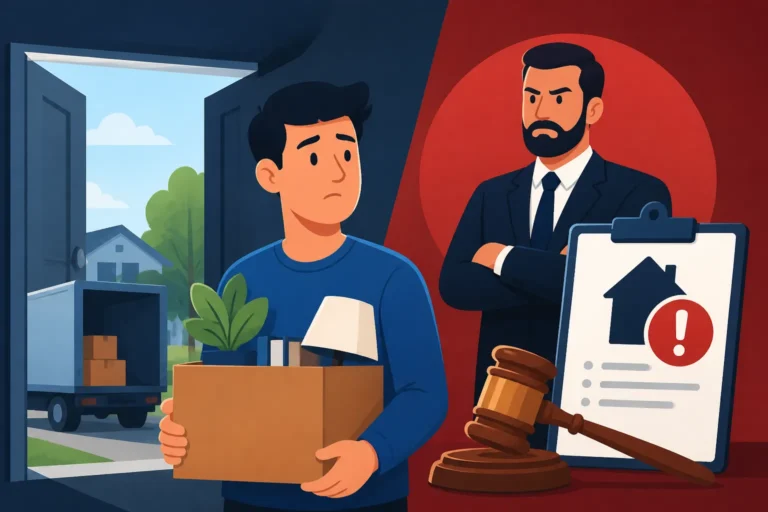
For instance, if your lease states that only the named tenants are allowed to reside in the property, having a new roommate move in without officially adding them to the lease could constitute a lease violation. This can give your landlord grounds to issue a notice to cure or quit, or even begin an eviction process, which is absolutely not what anyone wants. Always remember that even if you have a verbal agreement with your landlord, it's the written lease that holds the most weight in a court of law.
The Importance of Joint and Several Liability
One of the most critical aspects of most roommate leases is the concept of "joint and several liability." If your lease specifies this, it means that each tenant is individually responsible for the entire rent amount and all lease terms, not just their portion. So, if one roommate moves out and stops paying their share, the remaining tenants are still legally obligated to cover the full rent. This can be a huge source of stress and financial strain if not addressed properly. You can learn more about this by checking out our guide on Joint and Several Liability in a Lease.
Consider a scenario in a bustling city like Boston, where rent is high. If three roommates are on a lease with joint and several liability, and one decides to move out unexpectedly, the other two are legally on the hook for that third person's rent share until a new arrangement is formally made and approved by the landlord. This isn't just about rent; it extends to damages as well. If the apartment suffers significant damage beyond normal wear and tear, all tenants on the lease could be held equally responsible for the repair costs, regardless of who caused the damage. Understanding this clause clarifies why involving your landlord in any roommate change is not just courteous, but legally imperative.
How to Add a Roommate to Your Existing Lease
Bringing a new person into your rental home involves more than just splitting the bills differently. From a legal standpoint, it's a process that needs careful attention to ensure all parties are protected and the tenancy remains valid. Rushing this can lead to serious complications down the road, so let's break down the proper steps to officially welcome a new tenant.
Getting Landlord Approval
The absolute first step in adding a new roommate is to communicate with your landlord. Most leases require written consent from the landlord for any new tenant to be added. Even if your lease doesn't explicitly state this, it's a best practice to get their approval in writing to protect yourself and avoid future disputes. Your landlord will likely want to screen the new applicant just as they screened you and your current roommates. This usually involves a rental application, a credit check, a background check, and potentially a review of their rental history.
It’s fair for a landlord to want to ensure the new roommate meets their established criteria for tenancy, such as income requirements or a clean eviction record. They want to protect their investment, and you want a reliable person living with you, so this screening process serves everyone’s best interests. Don't be surprised if your landlord uses a tenant screening service, like those offered by platforms such as TurboTenant, to conduct these checks. This ensures they get a comprehensive view of the prospective tenant's reliability. Being upfront and proactive with your landlord about your intentions will often result in a much smoother process than trying to sneak someone in, which could lead to severe penalties or even eviction.
Amending the Existing Lease
Once your landlord approves the new roommate, you have a couple of options for making it official. The most straightforward approach is often a lease addendum. A lease addendum is a separate document that is added to and becomes part of the original lease agreement. This addendum would specifically name the new tenant, state their responsibilities, and formally acknowledge their inclusion in the tenancy. This is a common method, especially if the original lease is still relatively new and doesn't require significant changes beyond adding a party. You can find comprehensive information on these types of agreements in our guide on Lease Addendums Explained.
The addendum should clearly outline the new roommate's start date, their agreement to abide by all existing lease terms, and, crucially, their acknowledgment of joint and several liability (if applicable). All original tenants, the new tenant, and the landlord must sign this addendum. Keep in mind that some landlords might also require a new security deposit from the incoming tenant or an adjustment to the existing deposit, depending on state laws and the original agreement. For instance, in California, security deposit limits are often capped at twice the monthly rent for unfurnished units, so any adjustments would need to fall within those parameters.
Drafting a New Lease Agreement
Sometimes, particularly if the original lease is nearing its end or if there are significant changes beyond just adding a name, your landlord might prefer to draft an entirely new lease agreement. This option can be beneficial as it allows all parties to review and update any clauses that might no longer be relevant or that need clarification. A new lease provides a fresh start for everyone involved, incorporating the new roommate from day one into a completely revised agreement. This is often the case if you're transitioning from a fixed-term lease to a month-to-month arrangement, or if the landlord wants to implement updated policies.
While drafting a new lease might seem like more work, it offers a clean slate and ensures that all current tenants and the landlord are on the same page. It’s also an opportunity to confirm the current condition of the property and address any outstanding issues. Platforms like LawDepot offer templates for drafting comprehensive lease agreements that landlords often use, ensuring all necessary legal clauses are included. When signing a new lease, remember that your prior security deposit arrangements will need to be addressed; often, the outgoing roommate's share is handled privately or through a new deposit structure with the landlord.
How to Remove a Roommate From Your Lease
Removing a roommate from a lease can be significantly more complicated than adding one, especially if the departing roommate is uncooperative or if the lease has a joint and several liability clause. It's not as simple as just packing their bags and changing the locks; there are legal and financial repercussions for everyone involved if not handled correctly.
The Challenge of Removing a Name
The biggest hurdle in removing a roommate's name from a lease is that most landlords are hesitant to release a tenant from their obligations without a replacement or a complete restructuring of the lease. This is due to the principle of joint and several liability, which means that by letting one person off the hook, the landlord might be reducing their pool of responsible parties for rent and damages. If a roommate simply moves out without being formally removed, they can still be held liable for rent and damages until the lease term ends or a new agreement is reached. This is a critical point that many tenants overlook, only realizing the implications when they're unexpectedly pursued for unpaid rent months later.
Furthermore, if the lease is a fixed-term agreement, a landlord generally isn't obligated to release a tenant early unless there's a specific early termination clause or mutual agreement. For more insights on this, refer to our detailed post on How to Break a Lease (Without Penalty Where Possible). This means that even if a roommate has physically moved out, their name on the lease could still legally bind them to the property, creating a potential liability for both the landlord and the remaining tenants. Always seek formal, written consent from your landlord to officially remove a tenant from the lease.
Lease Assignment vs. New Lease Agreement
When a roommate is leaving, there are typically two primary ways to legally adjust the tenancy: a lease assignment or drafting an entirely new lease. A lease assignment is when an existing tenant (the "assignor") transfers their entire interest in the lease to a new tenant (the "assignee"). This means the new tenant essentially steps into the shoes of the departing tenant, taking over all their rights and responsibilities under the original lease terms. The departing tenant is then typically released from their obligations. This option is often favored when the remaining tenants wish to continue the original lease without significant changes.
On the other hand, creating a new lease agreement is often the cleaner and more comprehensive approach, especially if you're also bringing in a new roommate simultaneously. In this scenario, the old lease is terminated, and a completely new agreement is drafted, listing only the remaining tenants and any new occupants. This ensures that the departing roommate is fully released from all future obligations, and the remaining tenants and landlord have a clear, updated legal document. While it might involve more paperwork, it leaves little room for ambiguity about who is responsible for what going forward.
Dealing with an Uncooperative Roommate
Unfortunately, not all roommate separations are amicable. What happens if a roommate moves out but refuses to sign the necessary paperwork to be removed from the lease, or even refuses to pay their share of rent after leaving? This is where the waters get murky and frustrations run high. If an uncooperative roommate is still legally on the lease, they remain financially responsible. However, your landlord will likely still expect the full rent to be paid, holding the remaining tenants jointly and severally liable.
In such a situation, communication is key, but if that fails, you might need to explore more formal avenues. Sending a certified letter, often called a Security Deposit Demand Letter, can sometimes prompt action, even if it's not directly about the deposit. If the departing roommate is truly ghosting or refusing to uphold their financial end, the remaining tenants might have grounds to sue them in small claims court for their unpaid share of the rent or damages. It's crucial to document everything: all attempts at communication, proof of rent payments made by the remaining tenants, and any financial losses incurred due to the uncooperative roommate. This documentation will be invaluable if you need to pursue legal action.
Financial Implications and Security Deposits
Roommate changes inevitably bring up questions about money. From how rent is divided to the fate of the security deposit, these financial considerations are often the most contentious aspects of adding or removing someone from a lease. Clear communication and written agreements are absolutely paramount here.
Adjusting Rent Responsibilities
When a new roommate moves in, the rent responsibility is usually straightforward: the total rent is divided among all active tenants. However, the exact division needs to be clearly stated and agreed upon by everyone, including the landlord if the new arrangement alters the total rent amount the landlord expects or how it's paid. If your lease involves joint and several liability, remember that while you might internally agree to split the rent three ways, the landlord can still pursue any individual tenant for the full amount if others fail to pay.
Conversely, when a roommate moves out, the remaining tenants are typically responsible for the entire rent unless a new agreement is explicitly made with the landlord. This means if three people were paying $1500 total, and one leaves, the remaining two are now responsible for the full $1500, not just their previous $1000 share. This financial burden is often the primary motivation for quickly finding a replacement roommate. It's crucial for the remaining tenants to understand their obligations and for the departing tenant to understand their continued liability if they are not formally released from the lease.
Security Deposit Recalculations
The security deposit is another major point of contention during roommate changes. When a new roommate is added, they typically contribute their share to the existing security deposit. The existing tenants might then internally redistribute the funds to reflect this new contribution. When a roommate leaves, it gets more complex. Ideally, the departing roommate receives their share of the original security deposit from the incoming roommate (if applicable) or the remaining tenants, assuming there are no damages attributed to them. For example, if two roommates paid a $2000 deposit and one leaves, the remaining roommate might pay the departing one their $1000 share, and then collect $1000 from the new incoming roommate.
It's rare for landlords to return a portion of the security deposit to a departing tenant mid-lease, as the deposit is usually held as a collective fund for the entire unit until the final move-out. This is why many tenants create private agreements to handle security deposit exchanges among themselves. Our article on Security Deposit Rules for Roommates dives deeper into these nuances. The key is to document any internal agreements in writing, perhaps as a roommate agreement separate from the lease, detailing who paid what and how it will be returned or transferred.
Who Pays for Damages?
This is where joint and several liability can really sting. If the lease holds all tenants jointly and severally liable, then when the lease eventually ends, the landlord will assess damages and deduct from the total security deposit. It doesn't matter who caused the damage; all tenants on the lease are collectively responsible. Imagine your old roommate, Sarah, caused significant damage to the kitchen counter before moving out, but she was never formally removed from the lease. Months later, when you and your new roommate move out, the landlord deducts $500 for the counter repair. Even though you didn't cause it, your security deposit is impacted.
To protect yourself, especially when a roommate is leaving, conduct a thorough move-out inspection with the departing roommate and document the condition of the property. Take photos and videos, noting any existing damage. This creates a clear record that can be used to hold the departing roommate accountable for any damage they caused while living there. If disputes arise over damages, having this kind of clear documentation is invaluable for resolving issues, whether internally or through a formal process like small claims court.
Essential Documentation and Communication
In the world of landlord-tenant relationships, if it's not in writing, it often didn't happen. This principle holds especially true when dealing with the dynamic nature of roommates. Clear, consistent, and documented communication is your best friend when adding or removing someone from a lease.
Written Agreements Are Key
Every single step of the roommate change process – from initial discussions with your landlord to internal agreements with your roommates – should be in writing. This includes:
- Requests for landlord approval: Send an email or formal letter asking for permission to add or remove a roommate.
- Landlord's consent: Ensure you receive their written approval, including any conditions (e.g., credit check, new deposit).
- Lease addendums or new leases: These are legally binding documents that all parties must sign.
- Internal roommate agreements: While not part of your official lease, a separate agreement among roommates can detail rent splits, security deposit transfers, and responsibilities for utilities, cleaning, and shared items.
A written agreement prevents "he said, she said" scenarios, which can quickly devolve into stressful arguments and even legal battles. For example, a simple email exchange confirming that your landlord has approved a new tenant and will be drafting an addendum can save you immense grief if there's ever a dispute about the new tenant's residency. When it comes to managing the financial aspects of a departing roommate, a clear, signed agreement outlining how the security deposit will be handled and what happens if new damages are found after they leave is absolutely crucial.
Using Online Tools and Templates
Luckily, you don't have to start from scratch when it comes to creating these important documents. Many online platforms offer excellent resources for landlords and tenants alike. Services like LawDepot provide legally vetted templates for lease agreements, lease addendums, and even roommate agreements, which can be customized to your specific situation and state laws. Utilizing such tools can give you peace of mind that you're covering all the necessary legal bases.
For landlords, tenant screening services offered by platforms like TurboTenant are invaluable when adding a new roommate. They streamline the process of running background and credit checks, ensuring that any new person added to the lease meets the necessary financial and reliability standards. As a tenant, if your landlord requests that a prospective new roommate complete an application through such a service, it’s a standard and reasonable request that helps protect all parties. Don't shy away from these tools; they're designed to make the often-complex world of leases a little bit easier to navigate.
Communicating with Your Landlord and Roommates
Open and honest communication is the bedrock of any successful shared living arrangement. When contemplating a roommate change, initiate discussions with your current roommates as early as possible. Discuss expectations, timelines, and financial implications. For example, if a roommate is moving out, talk about how the remaining rent will be covered, who will handle finding a replacement, and how the security deposit will be managed internally.
Equally important is clear, professional communication with your landlord. Inform them of your intentions in writing as soon as you know a change is on the horizon. Ask them about their specific procedures for adding or removing a tenant. Are they open to a lease amendment, or do they prefer a completely new lease? What are their screening criteria for new applicants? Being proactive and transparent can foster a good relationship with your landlord and prevent misunderstandings that could lead to bigger problems. Remember, the landlord is a key player in this process, and keeping them in the loop is not just good manners, it's often a legal requirement.
| Aspect | Amending an Existing Lease (Addendum) | Drafting a New Lease Agreement |
|---|---|---|
| Simplicity | Generally quicker, less paperwork if only minor changes needed. | More involved, requires creation of a full new document. |
| Legal Continuity | Maintains the original lease terms, just adds/removes a party. | Establishes an entirely new legal agreement, superseding the old one. |
| Flexibility | Limited to adding/removing parties; other terms remain constant. | Allows for complete review and update of all lease terms (e.g., rent, rules). |
| Landlord Preference | Often preferred for minor changes or when the original lease is recent. | Preferred if significant changes are desired or original lease is old/complex. |
| Departing Tenant | May still be liable unless explicitly released in the addendum. | Clearly released from all future obligations upon signing of new lease. |
| New Tenant | Agrees to existing terms as part of the addendum. | Agrees to newly defined terms within the fresh agreement. |
| Security Deposit | Internal transfer/adjustment usually required; landlord holds original. | Can be fully re-evaluated; old deposit returned, new collected. |
| Documentation | Requires an addendum signed by all parties. | Requires a full new lease signed by all current parties. |
Potential Pitfalls and Legal Considerations
Even with the best intentions, roommate changes can lead to unexpected challenges. Understanding the potential legal hurdles can help you navigate these situations more effectively and protect your rights as a tenant.
Landlord Refusal and Discrimination
What if your landlord refuses to add a new roommate or release an old one? A landlord typically has the right to approve or deny new tenants based on legitimate, non-discriminatory screening criteria, such as creditworthiness, income, and rental history. They cannot, however, refuse based on protected characteristics like race, religion, gender, national origin, familial status, or disability, as outlined by the Fair Housing Act. Some states and cities also have additional protected classes, such as source of income (like Section 8 vouchers), sexual orientation, or gender identity. Our article on Fair Housing Act: Protected Classes Explained provides more details on this important topic.
If you believe your landlord is refusing a new roommate for discriminatory reasons, you might have grounds to file a complaint with HUD or a local fair housing authority. However, if the refusal is based on legitimate concerns (e.g., the prospective roommate has a poor credit score or a history of evictions), the landlord is generally within their rights. Similarly, a landlord might refuse to release a departing tenant from a lease, especially a fixed-term lease, because it reduces their financial security. In such cases, the departing tenant often remains legally liable until the lease term expires, highlighting the importance of clear agreements and finding suitable replacements.
What Happens if You Don't Follow Protocol?
Ignoring the proper procedures for adding or removing a roommate can have severe consequences for everyone involved. If you bring in a new roommate without your landlord's explicit, written permission, you could be in breach of your lease agreement. This could lead to:
- Lease Violation Notices: The landlord might issue a "cure or quit" notice, demanding that the unauthorized occupant leaves or that you rectify the lease violation.
- Eviction: If the violation isn't cured, the landlord could initiate eviction proceedings against all tenants on the lease, even the innocent ones.
- Financial Liability: An unauthorized occupant has no legal standing and no obligation to pay rent, leaving the named tenants fully responsible.
- Security Deposit Forfeiture: Violating the lease can give the landlord grounds to withhold your entire security deposit at the end of the tenancy.
Likewise, if a roommate leaves without being formally removed from the lease, they remain legally and financially responsible for the rent and any damages until the lease ends. This means they could be sued by the landlord or remaining tenants for unpaid rent. The remaining tenants are still on the hook for the entire rent under joint and several liability, which can be an enormous financial strain. Always prioritize following your lease and local landlord-tenant laws to avoid these costly and stressful situations.
Legal Action and Dispute Resolution
Despite best efforts, disputes can arise. If you find yourself in a disagreement with a landlord or a former roommate, knowing your options for dispute resolution is crucial. For landlord-tenant disputes, the first step is always clear, written communication, often through a formal letter. If that doesn't work, mediation can be a less adversarial and costly alternative to court. Many cities and counties offer mediation services for landlord-tenant issues.
If all else fails, legal action might be necessary. This often means going to small claims court for issues like unpaid rent, disputes over security deposits, or damages. For instance, if a landlord wrongfully withholds a security deposit or a former roommate refuses to pay their share, small claims court is designed for individuals to resolve financial disputes without needing extensive legal representation. Before pursuing legal action, gather all your documentation: the lease, addendums, written communications, bank statements, photos, and any other evidence that supports your case. Consulting with a landlord-tenant attorney can provide valuable guidance on the strength of your case and the best course of action.
Disclaimer
Please remember that this guide provides general information about adding or removing a roommate from a lease and is not a substitute for legal advice. Landlord-tenant laws vary significantly by state and even by municipality. Always consult with a qualified legal professional or local housing authority for advice specific to your situation and jurisdiction.