Can a Landlord Charge More Than the Deposit for Damage?
It's a common nightmare for renters: you move out, expecting your security deposit back, only to receive a letter from your landlord claiming you owe them money for damages that go far beyond what your deposit could ever cover. This situation can feel incredibly unfair and confusing, leaving you wondering if a landlord can legally demand more than the security deposit for damage. The short answer, unfortunately, is often yes, but understanding why and what your rights are is crucial to navigate such a frustrating scenario. This guide will walk you through the specifics, helping you understand when landlords can charge extra, how to protect yourself, and what to do if you face excessive claims.
Understanding Your Security Deposit's Purpose
Let's clear up some fundamental misunderstandings about security deposits right from the start. Many tenants mistakenly believe their security deposit is the absolute maximum they can ever be held liable for when it comes to property damage or outstanding debts. This isn't usually the case, and knowing why can help you better prepare for your move-out.
The Basics of Security Deposits
A security deposit is essentially a financial safeguard for your landlord. It's collected at the beginning of your tenancy, typically before you even get the keys, and is held by the landlord (or sometimes in an escrow account, depending on your state's laws) throughout your lease term. Its primary purpose is to cover potential costs incurred by the landlord due to your actions or inactions during your tenancy. This can include unpaid rent, cleaning costs if the property isn't returned in a reasonably clean condition, and, most notably for our discussion, repairs for damages that go beyond normal wear and tear.
It's important to remember that this money is yours until the landlord can demonstrate a legitimate claim against it. States have specific rules about how much a landlord can charge for a security deposit, with many states like California and New York capping it at one or two months' rent. Some states also have requirements for Security Deposit Interest Requirements by State, meaning your deposit could earn a little extra cash over time, which must be returned to you. The key takeaway here is that while it's a significant sum, it's just one tool your landlord has to recover costs.
Why a Deposit Might Not Cover All Damages
The crucial point often missed is that your security deposit is not an "all-inclusive" damage fund that limits your total liability. It's a prepayment against potential future costs. If the actual costs to repair damages or cover other financial obligations you've incurred as a tenant (like unpaid rent or late fees) exceed the amount of the security deposit, your landlord absolutely has the right to pursue you for the difference.
Think of it like this: if you crash a rental car, your insurance deductible limits what you pay upfront, but if the damage is more extensive, the insurance company still pays the full repair cost. In the landlord-tenant world, the security deposit is like that initial deductible. Your lease agreement typically outlines your responsibilities for maintaining the property. When you sign that lease, you're agreeing to those terms. If you cause significant damage—say, a huge hole in the wall, extensive pet damage, or a broken appliance—the repair bill for these issues can quickly surpass a typical one-month or even two-month security deposit. In such cases, the landlord can deduct the entire deposit and then send you a separate bill for the remaining balance.
When Can a Landlord Charge Beyond the Deposit?
Knowing the specific situations where a landlord can come after you for more than your initial deposit is vital. It's not just about blatant destruction; sometimes it's about cumulative issues or breaches of the lease agreement that carry financial penalties.
Damage Exceeding Normal Wear and Tear
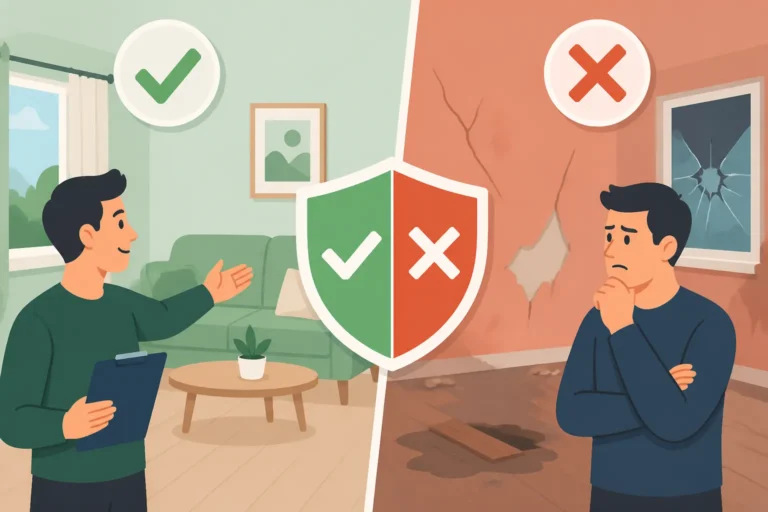
This is perhaps the most common reason why a landlord might charge you beyond your security deposit. Landlords are only responsible for repairing "normal wear and tear," which refers to the expected deterioration of a property from ordinary use over time. Things like faded paint, minor scuffs on walls, worn carpet in high-traffic areas, or loose grout are generally considered normal wear and tear.
However, anything that goes beyond this reasonable depreciation is considered "damage" and falls under the tenant's responsibility. This could include large holes in walls, heavily stained or ripped carpets, broken windows, missing fixtures, or significant pet damage that saturates carpets and subflooring. If the cost to fix these types of issues—after accounting for the age and expected lifespan of the item—exceeds your security deposit, the landlord can bill you for the difference. For a deeper dive into what constitutes acceptable use versus chargeable damage, you should definitely check out our guide on Normal Wear and Tear vs Damage: Complete Guide.
Let's say, for instance, you have a security deposit of $1,500. After you move out, the landlord discovers a large, irreparable burn mark on the kitchen counter, requiring a full counter replacement costing $2,000, and a broken window pane that costs $300 to replace. In this scenario, the total damages are $2,300. The landlord would legally be able to keep your entire $1,500 deposit and then pursue you for the remaining $800. They might send a demand letter first, and if that doesn't work, they could take you to small claims court.
Unpaid Rent or Fees
Your security deposit isn't solely for physical damage. It's also a safety net for any outstanding financial obligations you owe under the lease. If you leave the property owing back rent, late fees, or other charges explicitly outlined in your lease agreement, the landlord can use your security deposit to cover these amounts.
For example, if your rent is $1,200 a month and you move out a week into a new month without paying that month's rent, your landlord can deduct the pro-rated amount from your deposit. If you owe for an entire month, or even more, and your security deposit is less than that amount, you can absolutely expect a bill for the remainder. This often catches tenants by surprise, especially those who believe the deposit will cover everything they leave behind. It's worth noting that simply telling your landlord to use your security deposit as your last month's rent is often a violation of your lease unless specifically permitted, as the deposit is intended to cover potential damages after you vacate, not pre-pay rent. Our article on Can a Landlord Deduct for Unpaid Rent From the Deposit? provides more context on this common issue.
Early Lease Termination Penalties
Breaking a lease early can come with significant financial consequences, and these penalties can also be recovered from you, potentially exceeding your security deposit. Most lease agreements include clauses that detail what happens if a tenant terminates the lease before its agreed-upon end date. Common penalties can include paying rent until a new tenant is found, re-rental fees, or liquidated damages (a predetermined fee for breaking the lease).
Consider a scenario where you have to move for a new job and break a 12-month lease after only 6 months. Your lease might stipulate that if you break the lease, you're responsible for two months' rent as a termination fee, plus any rent owed until a new tenant takes over. If your security deposit is one month's rent, and the landlord finds a new tenant quickly but still charges you the two-month penalty, you could owe an additional month's rent above your deposit. It’s always best to understand How to Break a Lease (Without Penalty Where Possible) before making any rash decisions.
Landlords use platforms like TurboTenant to manage their properties and tenants, often relying on detailed lease agreements generated by services like LawDepot. These platforms help them track rent payments, lease terms, and potential deductions, making it easier for them to identify and pursue any amounts owed beyond the deposit.
Protecting Yourself from Excessive Charges
While it's clear landlords can charge more than the deposit, that doesn't mean you're powerless. Savvy renters can take proactive steps to minimize their liability and effectively dispute any unfair or excessive claims.
The Power of Documentation
This cannot be stressed enough: document everything. Your best defense against a landlord claiming excessive damages is indisputable proof of the property's condition before you moved in and after you moved out.
- Move-In: Before you even bring your first box in, conduct a thorough Move-In / Move-Out Inspection Guide. Take extensive photos and videos of every room, wall, floor, appliance, and fixture. Zoom in on any existing scratches, dents, stains, or damage, no matter how minor. Date-stamp these images or videos if possible. Fill out a move-in checklist provided by your landlord (or create your own if they don't offer one) and be incredibly detailed. Get it signed by both you and the landlord. This documentation proves the condition of the unit when you took possession.
- During Tenancy: If any damage occurs that you repair, keep receipts. If the landlord makes repairs, document those too. If you notice issues that are clearly normal wear and tear, or pre-existing damage, make a note.
- Move-Out: Before you hand over the keys, repeat the move-in documentation process. Take another set of comprehensive, date-stamped photos and videos of the entire apartment, demonstrating its clean and undamaged condition. Pay special attention to areas that were previously damaged or that you cleaned extensively. Compare these directly with your move-in photos to show improvement or consistent condition. This visual evidence is invaluable if a dispute arises.
Without this kind of robust documentation, it often becomes a "he said, she said" situation, and courts tend to favor written evidence.
Understanding Your State's Laws
Landlord-tenant laws vary significantly from state to state, and even by city in some cases. What's legal in Texas might be completely different from what's allowed in New York. These laws often dictate:
- How long a landlord has to return your deposit. For example, in California, a landlord typically has 21 days, while in Florida, it's 15 or 30 days depending on whether a claim is being made. Our resource, How Long Does a Landlord Have to Return Your Deposit?, breaks down these timelines by state.
- What a landlord can deduct from a security deposit. Most states require deductions to be for actual damages beyond normal wear and tear, or for unpaid rent/fees.
- Whether an itemized statement of deductions is required. Many states, including Massachusetts and Maryland, mandate that landlords provide an itemized list of deductions, often with corresponding costs, if they withhold any part of the deposit. This statement is critical for you to assess the legitimacy of any claims. For more on this, see Itemized Security Deposit Deduction Statement Explained.
- Penalties for wrongful withholding. Some states, like California, allow tenants to recover up to double the amount wrongfully withheld, while others, like Massachusetts, allow for treble damages (three times the amount). These penalties are designed to deter landlords from making frivolous or illegal deductions.
Before you move out, familiarize yourself with your state's Security Deposit Laws by State (2026). Knowledge is power, and understanding the legal framework will help you identify when your landlord might be overstepping their bounds.
Disputing Unfair Deductions
If your landlord sends you an itemized statement that includes charges you believe are unfair, excessive, or for normal wear and tear, don't just accept it. You have the right to dispute these deductions.
- Write a Formal Dispute Letter: The first step is to send a written letter to your landlord. Clearly state which charges you dispute and why. Refer to your move-in/move-out documentation. Attach copies of your photos or videos. Keep it professional and factual. Sending this via certified mail with a return receipt requested provides proof that your landlord received it. Our guide on a Security Deposit Demand Letter (How-To + Template) can give you a great starting point for this.
- Attempt Negotiation: Sometimes, a landlord might be willing to negotiate, especially if you present strong evidence. They might not want the hassle of a legal dispute.
- Consider Small Claims Court: If negotiation fails and you believe the charges are truly unwarranted, you can take your landlord to small Claims Court. This process is designed to be accessible to individuals without lawyers and typically handles disputes under a certain monetary limit (which varies by state, but is often between $5,000 and $10,000). You'll present your evidence, and a judge will make a decision. This is also the avenue for pursuing Suing a Landlord for Your Deposit (Small Claims & Penalties) if they refuse to return it at all.
Remember, having renters insurance, like a policy from Lemonade, can sometimes help cover certain types of accidental damage you might be liable for, though it won't typically cover intentional damage or neglect. It's always a good idea to understand your policy's specifics.
What Happens If You Don't Pay?
So, you've received a bill for damages exceeding your security deposit, you've tried to dispute it, and the landlord is still demanding payment. What are the potential consequences if you simply refuse to pay?
Landlord's Collection Efforts
If you owe money to your landlord after moving out and they've exhausted all attempts to collect it from your security deposit and through direct communication, they have several options:
- Collection Agency: Your landlord might sell the debt to a third-party collection agency. This agency will then aggressively pursue you for payment. Collection agencies can be relentless and their efforts can negatively impact your credit score, making it harder to get approved for future housing, loans, or even employment.
- Small Claims Court: As mentioned earlier, the landlord can sue you in small claims court to recover the unpaid amount. If the judge rules in their favor, you'll be ordered to pay. If you don't comply, the landlord can then pursue wage garnishment, bank account levies, or place a lien on your property (if you own any).
- Reporting to Credit Bureaus: Even without a court judgment, some landlords or collection agencies may report unpaid debts to credit reporting agencies. This can significantly harm your credit score, which, as you know, is crucial for everything from getting a new phone plan to buying a car or even renting another apartment. Our article Breaking a Lease and Your Credit Score has more information on how rental issues can impact your financial standing.
Potential Impact on Your Record
Beyond your credit score, an unpaid debt or a judgment from an eviction lawsuit (even if it's not a full eviction, but a lawsuit for damages) can create a lasting mark on your tenant history. Many landlords use tenant screening services to check an applicant's background, and these services often pull data on past evictions, judgments, and outstanding debts.
If a prospective landlord sees a history of non-payment or a court judgment for damages, they might be hesitant to rent to you. This can severely limit your housing options in the future, forcing you into less desirable (or more expensive) rental situations, or requiring you to find a co-signer or pay a larger security deposit. It’s a tough situation, but understanding these potential repercussions should motivate you to engage with your landlord constructively and avoid letting debts spiral.
| Damage Type | Landlord Can Deduct from Deposit (or beyond) | Tenant Responsibility | Landlord Responsibility (Normal Wear & Tear) |
|---|---|---|---|
| Large holes in walls | Yes | Yes | No |
| Heavily stained carpets | Yes | Yes | No |
| Broken appliances | Yes (if tenant caused) | Yes | Yes (if due to age/malfunction) |
| Missing fixtures | Yes | Yes | No |
| Minor paint scuffs | No | No | Yes |
| Faded wallpaper | No | No | Yes |
| Worn carpet in high-traffic | No | No | Yes |
| Broken windows | Yes (if tenant caused) | Yes | No |
| Unpaid rent | Yes | Yes | No |
Navigating the complexities of security deposit deductions and potential charges beyond that amount can be intimidating. The best approach is always proactive. Document your rental property meticulously, understand your lease agreement inside and out, and know your rights and responsibilities under your state's landlord-tenant laws. While a landlord can charge you more than your security deposit, being prepared means you're far less likely to face unexpected or unfair financial burdens after moving out.
Disclaimer
Please remember that this article provides general information and is not a substitute for legal advice. Landlord-tenant laws are complex and vary by jurisdiction. For specific legal guidance regarding your situation, please consult with a qualified attorney in your state.