How Long Does a Landlord Have to Fix AC in New York?
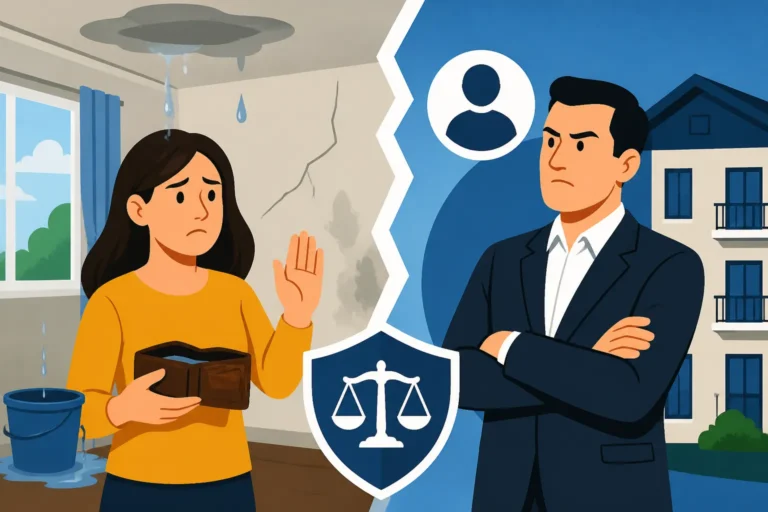
There's nothing quite like the crushing disappointment of a broken air conditioner, especially when the New York summer heat and humidity hit full force. You're sweating just thinking about it, right? It's not just an inconvenience; it can quickly become a serious health concern, making your home feel less like a sanctuary and more like a sauna. Navigating landlord-tenant laws around repairs, especially for something as critical as AC when temperatures soar, can feel utterly overwhelming. This comprehensive guide will break down exactly how long your landlord has to fix your AC in New York, what your rights are, and the steps you can take to ensure you get relief.
The Implied Warranty of Habitability in New York
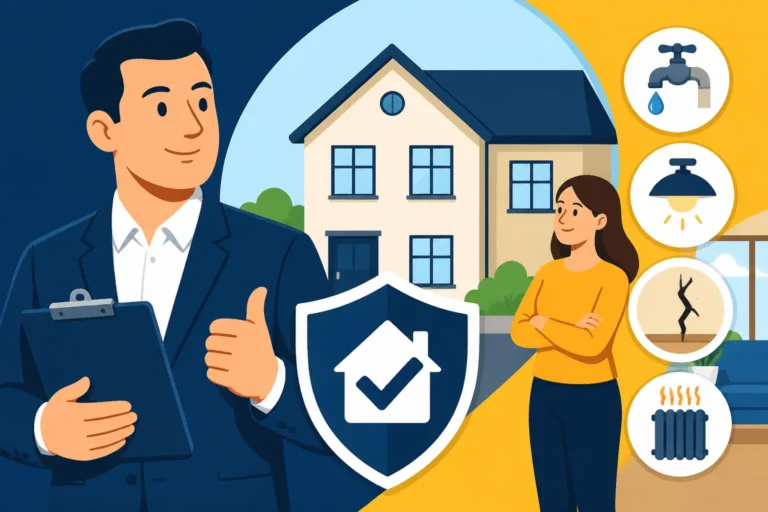
Before we dive into specific timelines, it's crucial to understand the bedrock of tenant rights in New York: the implied warranty of habitability. This isn't just a nice-to-have clause; it's a fundamental legal principle ensuring that your rental property is safe, secure, and healthy to live in. It means your landlord is obligated to maintain the premises in a way that doesn't put your life, health, or safety at risk.
What Constitutes a Habitable Living Space?
So, what exactly does "habitable" mean under New York law? It covers a lot more than just a roof over your head. Think about essentials like heat in winter, hot and cold running water, proper plumbing, safe electrical systems, and freedom from severe pest infestations. While an apartment doesn't have to be perfect, it must be free from conditions that are dangerous or seriously detrimental to your well-being. This warranty applies whether it's explicitly written in your lease or not; it's implied by law. It’s the baseline standard every rental in New York must meet. If you're wondering about your specific lease, knowing What to Include in a Lease Agreement can provide context for what other responsibilities might be outlined.
When Does a Broken AC Become a Habitability Issue?
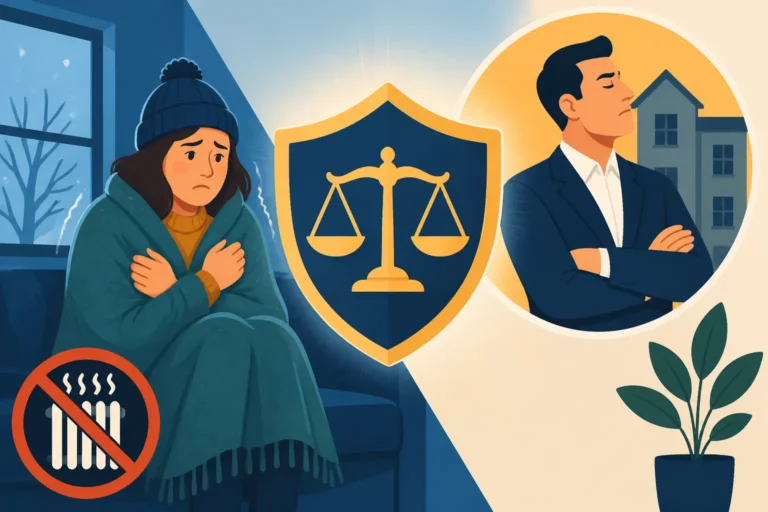
This is where things can get a little nuanced with air conditioning. Unlike heat during the cold months, which is unequivocally deemed a habitability requirement in New York (especially in New York City with its strict temperature mandates), AC isn't always automatically considered an "essential service" in the same vein. However, a broken AC can absolutely cross the line into a habitability issue under certain circumstances.
Imagine living in a top-floor apartment in July, with outside temperatures consistently in the high 90s, no cross-breeze, and a broken AC. The indoor temperature could easily hit dangerous levels, posing a risk to infants, the elderly, or individuals with certain health conditions. In such scenarios, the lack of functioning air conditioning could render the apartment uninhabitable, especially if the landlord provided AC as part of the original rental agreement or if the lack of it creates an unhealthful condition. If your unit came with an AC system, even if it's not strictly "required" by law, your landlord generally has a duty to keep it in working order.
New York's Specific AC Repair Timelines
Alright, let's get down to the nitty-gritty: how long does your landlord actually have to fix that broken AC unit? Unfortunately, New York state law doesn't provide a precise, one-size-fits-all number of hours or days for AC repairs like it might for a lack of heat. Instead, it relies on a concept called "reasonable time," which can be frustratingly vague.
General "Reasonable Time" Expectations
What constitutes "reasonable time" truly depends on the severity of the issue and the prevailing circumstances. If your AC breaks on a mild spring day, a landlord might have more leeway – perhaps a week or two – before it becomes an urgent matter. However, if it's the peak of a sweltering heatwave, and the interior of your apartment is consistently above 85 degrees Fahrenheit, "reasonable time" shrinks dramatically. For issues that directly impact health and safety, such as extreme heat making the apartment unbearable, repair times are expected to be much shorter, often within 24 to 72 hours.
Think of it this way: if a broken AC is making your apartment genuinely unhealthy or dangerous, it’s an urgent repair. If it’s merely uncomfortable, it might fall lower on the priority list. It's always best to communicate clearly and emphasize the impact on your health and living conditions when reporting the issue.
NYC-Specific Rules and Emergency Repairs
Residents in New York City often have additional layers of protection and recourse. While the NYC Housing Maintenance Code doesn't explicitly list AC as an essential service with a specific maximum repair time like heat (which has specific temperature minimums from October 1st to May 31st), it does require landlords to keep apartments in safe and sanitary condition. If an AC unit was provided by the landlord, they are generally responsible for maintaining it.
For urgent matters that genuinely impact habitability, NYC's Department of Housing Preservation and Development (HPD) typically expects landlords to address repairs quickly. You can call 311 to report housing code violations, and HPD can then issue violations and order repairs. An HPD inspector will assess the severity. If your apartment becomes intolerably hot, HPD might deem it a "hazardous" or "immediately hazardous" condition, pushing for a quicker resolution, often within a day or two for "immediately hazardous" issues, and potentially up to five days for "hazardous" ones. This is similar to how they approach other critical issues like No Heat / No Hot Water / No AC: Your Rights.
The Importance of Written Communication
No matter where you are in New York, the golden rule for any repair request is document, document, document! Always make your repair requests in writing. This creates a clear paper trail, proving when you notified your landlord and what the issue was. An email, a text message, or a formal letter sent via certified mail are all good options. Make sure to include:
- The date and time of the request.
- A clear description of the problem (e.g., "The air conditioning unit in the living room is not blowing cold air," or "The central AC system has completely stopped working.").
- The impact the broken AC is having on your living conditions (e.g., "The apartment temperature is consistently above 88 degrees, making it difficult to sleep and work from home.").
- A reasonable deadline for repair, especially if it's an urgent situation.
This written record becomes invaluable if you need to escalate the issue or pursue further action. Tools like TurboTenant can help landlords keep track of repair requests, which, while beneficial for them, also provides a clearer system for tenants.
What to Do When Your Landlord Drags Their Feet
Let's face it: even with clear laws and reasonable expectations, sometimes landlords are slow to respond. It's incredibly frustrating when you're doing everything right and still stuck in an uncomfortable living situation. But don't despair; you have options.
Document Everything
We can't stress this enough. Beyond your initial written request, keep a detailed log of all communication attempts, including dates, times, and summaries of conversations. Take photos or videos of the thermostat showing the high temperatures inside your apartment. Note any discomfort or health impacts you or your family experience. Gather evidence of the outside temperatures if it helps underscore the severity of your situation. This comprehensive documentation is your strongest ally if you need to take formal action or dispute potential issues, for instance, if your landlord tries to make deductions from your Security Deposit Deductions: Full List of Allowed Charges later on.
Sending a Formal Notice
If your initial informal requests go unanswered, it's time to send a more formal communication, often called a "Notice to Cure" or a demand letter. This letter should reiterate the problem, refer to your previous communications, cite the implied warranty of habitability, and clearly state that if the repair isn't made by a specific, reasonable deadline (e.g., 5-7 days for an urgent AC repair in a heatwave), you will explore further legal options.
Here’s a simple structure for such a letter:
[Your Name(s)]
[Your Apartment Address]
[City, NY, Zip Code]
[Date]
[Landlord/Property Manager Name]
[Landlord/Property Manager Address]
Subject: Notice to Cure – Broken Air Conditioning Unit – [Apartment Address]
Dear [Landlord/Property Manager Name],
This letter serves as a formal notice regarding the non-functioning air conditioning unit(s) at my residence, [Apartment Address]. I first reported this issue on [Date of First Communication] via [Method, e.g., email].
The AC unit in [specific location, e.g., the living room] has been [state problem, e.g., blowing only warm air/completely non-functional] since [date issue began]. As you know, the temperatures in [City, NY] have been [e.g., consistently high/reaching extreme levels] recently, making the apartment interior unbearably hot. For instance, the thermostat currently reads [e.g., 89 degrees Fahrenheit]. This condition significantly impacts the habitability of the premises, creating an unhealthy and uncomfortable living environment, particularly for [mention vulnerable occupants if applicable, e.g., my young child/elderly parent].
Under New York's implied warranty of habitability, you are obligated to maintain the premises in a safe and healthy condition. The lack of proper cooling in these conditions constitutes a breach of this warranty.
I demand that you rectify this issue and restore the air conditioning unit(s) to proper working order within [e.g., 7 calendar days] of the date of this letter. If the repair is not completed by this deadline, I will be forced to consider all available remedies under New York law, which may include, but are not limited to, exercising my right to [mention specific options like 'repair and deduct' or 'rent withholding', if applicable and legally advisable].
Please contact me at [Your Phone Number] or [Your Email Address] to confirm receipt of this letter and to schedule the necessary repairs.
Sincerely,
[Your Signature]
[Your Typed Name]
Always send this formal notice via certified mail with a return receipt requested, so you have proof of delivery.
Exploring Your Options: Repair and Deduct, Rent Withholding, or Legal Action
If your landlord still fails to act after receiving a formal notice and a reasonable amount of time has passed, New York law does provide tenants with certain remedies. However, these steps should not be taken lightly and often require careful consideration and understanding of the specific rules in your area.
-
Repair and Deduct: In some situations, New York tenants might be able to pay for the repair themselves and deduct the cost from their rent. This is a powerful option, but it comes with strict requirements. You typically need to have given your landlord proper written notice and a reasonable opportunity to make the repair. The repair must relate to a habitability issue, and the cost must be reasonable. It's generally advisable to get multiple estimates from licensed professionals and keep all receipts. Be cautious, as improperly exercising this right can lead to your landlord accusing you of Eviction for Nonpayment of Rent. To learn more, check out Repair and Deduct by State.
-
Rent Withholding (Rent Escrow): Another option, particularly common in New York City, is to place your rent money in an escrow account rather than paying it directly to your landlord, while simultaneously starting an HP Action (Housing Part) in Housing Court. This demonstrates you have the rent money, but you're withholding it due to the landlord's failure to maintain habitable conditions. Again, this is a serious step and should usually be done under the guidance of legal counsel or a tenant rights organization. Improper rent withholding can lead to an eviction filing. You can also explore Withholding Rent & Rent Escrow for more information.
-
Contacting Code Enforcement/HPD (NYC): As mentioned, calling 311 in NYC is a vital step. HPD can inspect your unit, issue violations, and even take the landlord to court to compel repairs. This is often a less risky first step than withholding rent or repairing and deducting yourself.
-
Small Claims Court: If you've incurred damages or expenses due to the landlord's failure (e.g., medical bills from heat-related illness, cost of temporary housing), you might be able to sue your landlord in small claims court to recover those costs.
-
Breaking the Lease: In extreme cases where the apartment truly becomes uninhabitable due to the lack of AC and the landlord's failure to remedy it, you might have grounds to break your lease without penalty. This is a drastic measure and often requires strong legal justification. Make sure you understand Breaking a Lease Due to Mold or Uninhabitable Conditions.
It’s always a good idea to consult with a tenant lawyer or a local tenant advocacy group before taking any of these more aggressive actions. They can provide advice specific to your situation and local laws.
Preventing AC Issues and Protecting Yourself
While you can't always prevent an AC unit from breaking down, there are steps you can take to put yourself in the best position when issues arise.
Understanding Your Lease Agreement
Your lease is more than just a document; it's a contract that outlines your and your landlord's responsibilities. Before you even move in, or certainly when renewing, carefully read your lease. Does it mention anything specific about air conditioning? Is it listed as an amenity? Does it outline maintenance responsibilities for tenant-provided units versus landlord-provided units? Some leases might explicitly state that AC is not a landlord responsibility unless it was a pre-installed feature. Knowing these details upfront can save you a lot of headaches later. If you're comparing different living situations, understanding Fixed-Term vs Month-to-Month Leases can also be helpful.
Tenant Responsibilities in AC Maintenance
While your landlord is generally responsible for major repairs to landlord-provided AC units, you also have a role to play. Regularly cleaning or replacing your air filters (typically every 1-3 months) is a simple task that can significantly improve efficiency and prevent breakdowns. Many leases will state that tenants are responsible for filter replacement. If a repair issue arises from your negligence (e.g., never changing filters, or somehow damaging the unit), you might find yourself on the hook for the repair costs.
A quick chat with your landlord about AC maintenance when you move in can clarify expectations. Some landlords even provide filters or have a service schedule. Knowing where your responsibilities end and theirs begin is key. For general maintenance inquiries, having landlord contact details readily available, perhaps even through a property management platform like Steadily, can streamline communication.
When it comes to renter's insurance, a policy from a provider like Lemonade might cover your personal belongings if they are damaged by an AC malfunction (e.g., water leak), but it won't cover the repair of the AC unit itself, which is the landlord's responsibility.
Summary of New York AC Repair Timelines and Tenant Actions
Here's a quick overview of the key takeaways for AC repairs in New York:
| Severity of AC Issue | General New York Expectation | NYC-Specific Guidance (HPD) | Recommended Tenant Action |
|---|---|---|---|
| Mild Discomfort | "Reasonable Time" (1-2 weeks) | No specific HPD classification; considered minor maintenance | Send written request, follow up politely. |
| Significant Discomfort | "Reasonable Time" (3-7 days) | Potentially "Hazardous" (5-day remedy period) | Formal written notice, document conditions. |
| Health/Safety Risk | Urgent (24-72 hours) | Potentially "Immediately Hazardous" (24-72 hour remedy period) | Formal written notice, emphasize health risks, contact 311/HPD. |
| Ongoing Non-Compliance | Explore legal remedies (see below) | HP Action in Housing Court, repair & deduct, rent escrow | Consult tenant lawyer/advocacy group, gather all documentation. |
Key Takeaway: The more severe the impact of the broken AC on your health and ability to comfortably live in your apartment, the faster your landlord is expected to act.
Disclaimer
Please remember that this guide provides general information about landlord-tenant laws in New York and is not a substitute for legal advice. Laws can change, and individual situations vary greatly. If you are facing a specific issue with your landlord or a broken AC, it is always recommended to consult with a qualified attorney or a local tenant rights organization to understand your rights and options fully.